
A properly maintained septic system is essential for efficient wastewater treatment, property protection, and environmental safety. While septic systems often operate out of sight, neglecting routine care can result in system failures, unpleasant odors, and costly repairs. Taking a proactive approach to maintenance helps ensure long-term reliability and performance.
The following professional tips outline best practices for maintaining a septic system and reducing the risk of unexpected issues.
1. Understand How the System Works
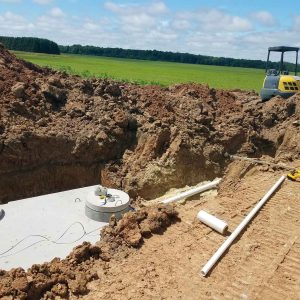
A typical septic system consists of a septic tank and a drainfield (also known as a leach field). Wastewater enters the tank, where solids settle to the bottom as sludge and lighter materials rise to the surface as scum. The remaining liquid effluent flows into the drainfield, where soil and microorganisms provide final treatment.
Knowing the location of the septic tank and drainfield is important for proper care and to avoid accidental damage during landscaping or construction activities.
2. Schedule Routine Septic Tank Pumping
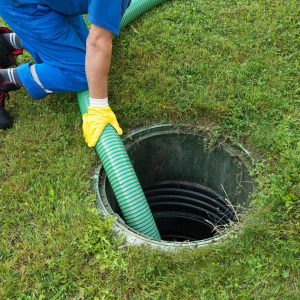
Over time, solid waste accumulates inside the septic tank. If not removed, these solids can reduce system capacity and increase the risk of backups or drainfield failure. Most septic tanks require pumping every three to five years, depending on household size, usage patterns, and tank capacity.
Common signs that pumping may be needed include slow drains, gurgling sounds in plumbing, or odors near the system. Regular pumping helps prevent these issues before they escalate.
3. Monitor What Enters the System
Septic systems are designed to process wastewater and biodegradable materials only. Introducing inappropriate items can disrupt system performance and cause blockages.
Items to avoid include:
-
Non-biodegradable products such as wipes, hygiene products, and dental floss
-
Cooking oils and grease, which can solidify and restrict flow
-
Harsh chemicals, paints, pesticides, and solvents that harm beneficial bacteria
Responsible disposal habits play a significant role in extending system lifespan.
4. Conserve Water Usage
Excessive water use can overload a septic system, reducing treatment efficiency and increasing stress on the drainfield. Conserving water allows the system adequate time to process wastewater.
Effective water conservation practices include:
-
Repairing leaking faucets and toilets
-
Spreading laundry loads throughout the week
-
Using water-efficient fixtures and appliances
Balanced water usage helps maintain consistent system performance.
5. Protect the Drainfield Area
The drainfield is a critical component of wastewater treatment and should remain undisturbed. To protect it:
-
Avoid driving or parking vehicles over the drainfield
-
Keep heavy structures and equipment off the area
-
Divert surface water away to prevent saturation
-
Avoid planting deep-rooted trees or shrubs nearby
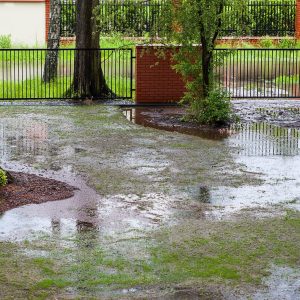
Signs such as soggy soil, standing water, or persistent odors may indicate drainfield problems and should be addressed promptly.
6. Schedule Regular Professional Inspections
Routine inspections help identify potential issues early, including damaged components, excessive sludge levels, or drainage concerns. Inspections are especially important for systems with mechanical or alternative treatment components.
Professional evaluations provide insight into system condition and help prevent unexpected failures.
7. Avoid Do-It-Yourself Repairs
Septic systems involve specialized equipment and regulatory requirements. Attempting repairs without proper training can worsen problems, create safety risks, or lead to compliance issues. System repairs and modifications should be handled by qualified professionals.
8. Use Additives with Caution
Some products claim to improve septic performance by adding bacteria or enzymes. In most cases, a properly maintained system does not require additives. Certain products may disrupt natural processes rather than improve them. Regular pumping and responsible usage are typically sufficient for system health.
9. Plan for Long-Term Maintenance Costs
Septic systems represent a significant long-term investment. Routine maintenance helps extend system life and reduces the likelihood of expensive repairs or premature replacement. Proactive care supports property value and environmental protection.
Consistent septic system maintenance is essential for reliable operation and environmental safety. Understanding system function, practicing responsible water and waste habits, scheduling routine pumping and inspections, and protecting system components all contribute to long-term performance. With proper care, septic systems can function efficiently for many years while minimizing risk and expense.