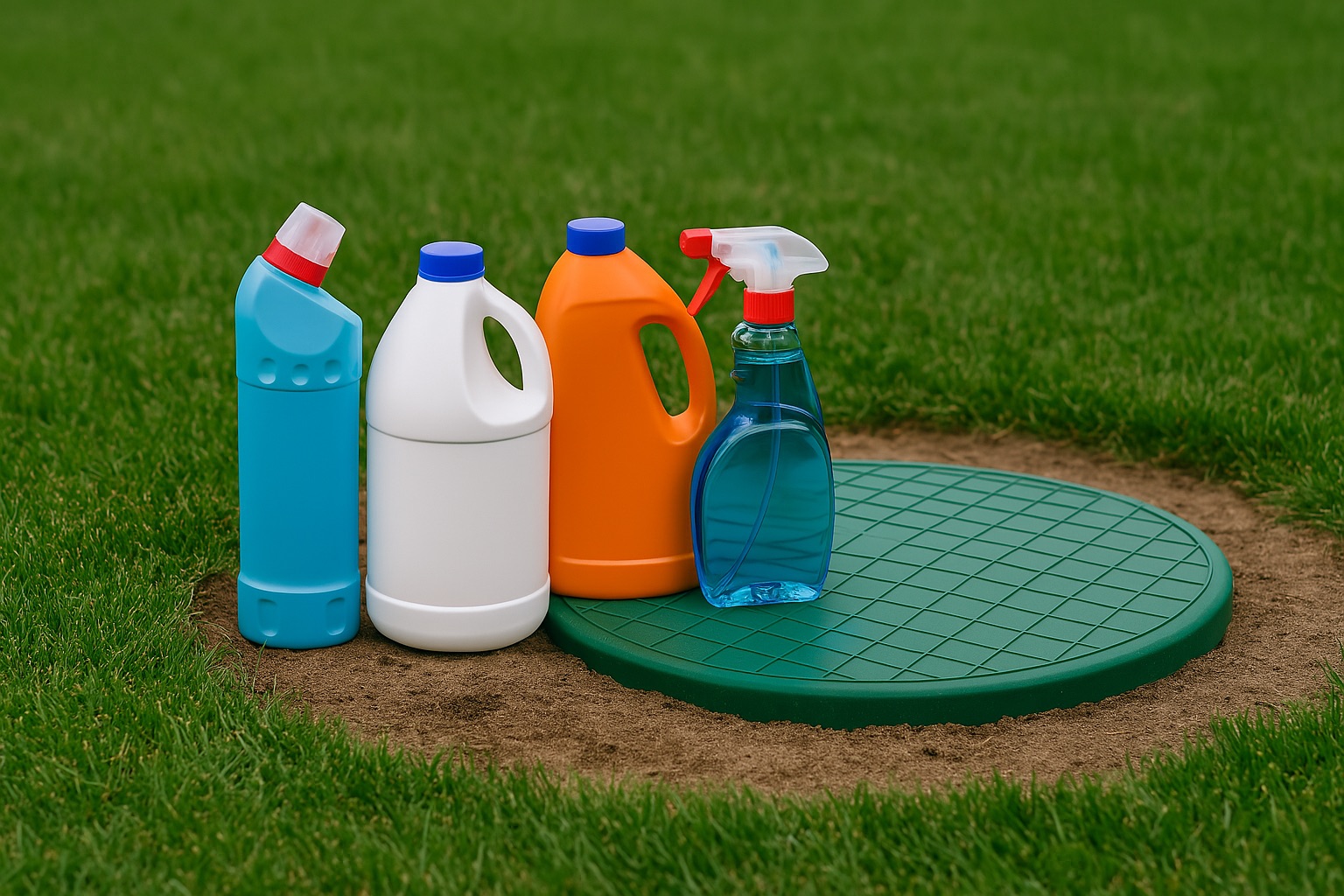
The Impact of Household Products on Septic Systems: What You Need to Know
A septic system quietly manages wastewater from sinks, showers, toilets, and appliances, treating it before returning it to the soil. While the system is designed to be durable, it depends heavily on naturally occurring bacteria to function properly. Certain household products can disrupt this balance, leading to reduced efficiency, system damage, and costly repairs.
Understanding how everyday products affect a septic system can help prevent problems and extend the life of the system.
Why Household Products Matter
Septic systems rely on beneficial bacteria to break down organic waste and separate solids from liquids. When these bacteria are damaged or eliminated, solids can accumulate in the tank and migrate into the drainfield, increasing the risk of clogs, backups, and system failure.
In addition to bacterial disruption, some household substances can:
-
Corrode pipes and system components
-
Contribute to sludge buildup
-
Clog pipes and filters
-
Introduce contaminants into soil and groundwater
Selecting appropriate household products plays a key role in maintaining system health.
Household Products That Can Harm Septic Systems
Bleach
Bleach is a strong disinfectant that can kill beneficial bacteria in a septic tank.
Impact: Repeated or excessive use can slow waste decomposition and contribute to sludge buildup.
Alternative: Oxygen-based bleach or mild, non-toxic cleaners.
Antibacterial Soaps and Cleaners
Products labeled antibacterial are designed to eliminate microbes, including the bacteria required for septic system function.
Impact: Frequent use can weaken the system’s ability to process waste.
Alternative: Biodegradable soaps labeled as septic-safe.
Chemical Drain Cleaners
Chemical drain cleaners are corrosive and highly toxic to septic system bacteria.
Impact: These products can damage pipes, kill bacteria, and degrade system components.
Alternative: Mechanical methods such as plungers or non-chemical solutions for minor clogs.
Powdered Detergents
Some powdered detergents contain fillers that do not dissolve fully in water.
Impact: Undissolved particles can accumulate in pipes and tanks, contributing to clogs.
Alternative: Liquid detergents that are phosphate-free and septic-safe.
Cooking Oils and Grease
Fats, oils, and grease do not break down easily in septic systems.
Impact: These substances can solidify in pipes and tanks, restricting wastewater flow.
Alternative: Dispose of grease in sealed containers rather than down the drain.
Septic-Safe Cleaning Alternatives
Several common household products can be used safely without harming septic system bacteria:
-
Distilled white vinegar: Effective for cleaning surfaces and deodorizing drains
-
Baking soda: Useful for scrubbing and odor control
-
Lemon juice: Acts as a mild natural disinfectant
-
Borax: Can be used sparingly as a cleaning agent
When purchasing commercial cleaners, products labeled “septic-safe,” “biodegradable,” or “non-toxic” are generally more compatible with septic systems.
Best Practices for Protecting a Septic System
In addition to selecting appropriate household products, consistent maintenance and mindful usage support long-term system performance.
Routine Pumping
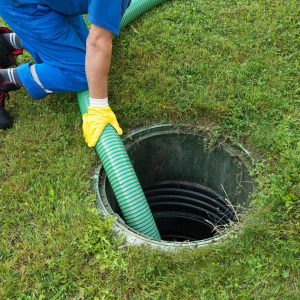
Septic tanks require periodic pumping to remove accumulated solids and prevent drainfield contamination. Most systems require pumping every three to five years, depending on usage.
Water Conservation
Excessive water use can overwhelm a septic system and push solids into the drainfield. Fixing leaks and spreading out high-water activities helps maintain balance.
Proper Waste Disposal
Non-biodegradable items such as wipes, hygiene products, and litter should never be flushed, regardless of labeling.
Regular Inspections
Periodic inspections help identify developing issues before they result in system failure.
Household Awareness
Ensuring all household members understand proper septic use reduces the risk of accidental damage.
Consequences of Improper Product Use
Failure to manage household product use can lead to:
-
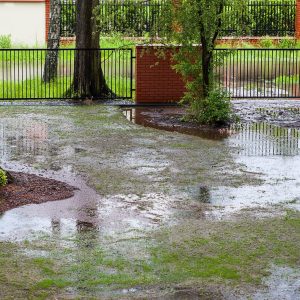
Frequent system backups
-
Damage to pipes and tank components
-
Soil and groundwater contamination
-
Drainfield failure
-
Premature system replacement
The cost of replacing a septic system is significantly higher than the cost of routine maintenance and responsible product use.
Household products play a significant role in septic system performance. By avoiding harsh chemicals, using septic-safe alternatives, and following proper maintenance practices, property owners can protect their systems, reduce environmental impact, and avoid unnecessary repair costs. Responsible daily habits are one of the most effective ways to ensure long-term septic system reliability.