Septic systems have evolved significantly over time. What were once simple underground tanks and drainfields have developed into more advanced wastewater treatment solutions. Modern septic technologies focus on improving treatment efficiency, reducing environmental impact, minimizing maintenance needs, and enhancing long-term system performance.
Understanding these innovations can help property owners make informed decisions when installing, upgrading, or maintaining septic systems.
1. Smart Monitoring Systems
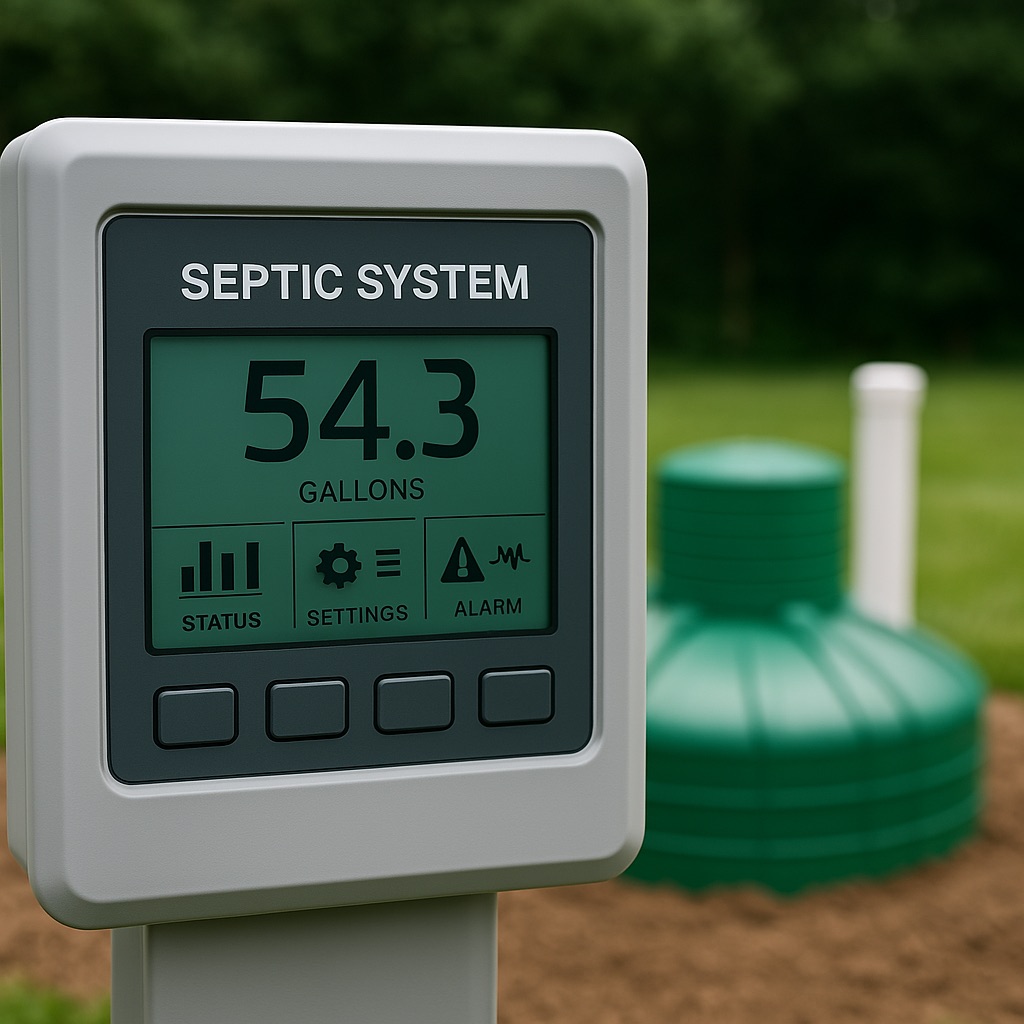
Smart monitoring technology allows septic system performance to be tracked in real time. These systems use sensors to measure factors such as tank levels, flow rates, and system conditions.
How They Work
-
Sensors are installed within the septic tank and related components
-
Data is transmitted to monitoring platforms for remote access
-
Alerts notify users when abnormal conditions occur
Key Benefits
-
Early detection of potential issues
-
Reduced need for frequent physical inspections
-
Improved system oversight and efficiency
Smart monitoring is especially useful for systems that require consistent operational conditions.
2. Aerobic Treatment Units (ATUs)
Aerobic treatment units introduce oxygen into the wastewater treatment process, allowing aerobic bacteria to break down waste more efficiently than traditional anaerobic systems.
How They Work
-
Air is introduced into the treatment chamber through mechanical aeration
-
Aerobic bacteria accelerate organic matter breakdown
-
Treated effluent exits the system at a higher quality level
Key Benefits
-
Enhanced treatment performance
-
Suitability for challenging soil or space conditions
-
Reduced environmental impact
ATUs are commonly used where conventional septic systems may not perform adequately.
3. Advanced Filtration Technologies
Modern filtration systems provide additional treatment stages before wastewater enters the drainfield or surrounding soil.
Examples of Filtration Advances
-
Membrane-based filtration to remove fine particles and microorganisms
-
Nutrient-targeting filters designed to reduce nitrogen and phosphorus levels
Key Benefits
-
Improved effluent quality
-
Reduced risk of groundwater contamination
-
Extended drainfield lifespan
These technologies are particularly valuable in environmentally sensitive areas.
4. Environmentally Focused Drainfield Designs
Drainfield technology has advanced to improve sustainability and system longevity.
Design Improvements
-
Use of permeable materials that enhance natural filtration
-
Modular components for flexible installation and maintenance
-
Improved wastewater distribution to reduce soil saturation
Key Benefits
-
More consistent treatment performance
-
Lower environmental impact
-
Reduced risk of premature drainfield failure
These designs support long-term wastewater management goals.
5. Prefabricated Septic Systems
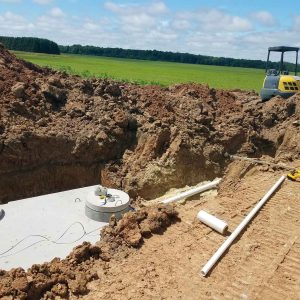
Prefabricated septic systems are manufactured off-site and delivered ready for installation.
How They Work
-
Components are assembled in controlled manufacturing environments
-
Systems are transported to the site for installation
Key Benefits
-
Reduced installation time
-
Consistent manufacturing quality
-
Lower labor requirements during installation
Prefabricated systems can be a practical option for many properties.
6. Nitrogen Reduction Technologies
Excess nitrogen in wastewater can negatively affect water quality. New technologies focus on reducing nitrogen levels before effluent is released into the soil.
Examples
-
Biological denitrification processes
-
Multi-stage treatment systems designed to remove nutrients
Key Benefits
-
Improved protection of water resources
-
Support for compliance with environmental regulations
-
Reduced nutrient loading in surrounding soil
These systems are commonly used in areas with strict water quality standards.
7. Predictive Maintenance Using Data Analysis
Data-driven tools are increasingly used to anticipate maintenance needs before system failures occur.
How It Works
-
Performance data is analyzed to identify trends
-
Maintenance recommendations are generated based on system behavior
Key Benefits
-
Reduced likelihood of unexpected failures
-
More efficient maintenance scheduling
-
Extended system lifespan
Predictive maintenance tools are particularly useful for larger or more complex systems.
Advancements in septic system technology have improved treatment efficiency, environmental protection, and system management. Innovations such as smart monitoring, aerobic treatment, advanced filtration, and predictive maintenance provide property owners with more reliable and sustainable wastewater solutions. Staying informed about these developments can help ensure septic systems operate effectively while meeting modern environmental and performance expectations.