As climate change intensifies, homeowners are seeing its effects in unexpected places—including their septic systems. From heavier rainfall to rising groundwater levels, shifting weather patterns are disrupting how septic drainfields function, increasing the risk of backups, contamination, and costly repairs.
Understanding how climate change affects septic systems—and taking proactive steps—can help protect both property and the surrounding environment over the long term.
Climate Change and Septic Drainfields: What’s the Connection?
A septic system depends on a balance between water movement, soil structure, and microbial activity. After wastewater leaves the septic tank, it flows into the drainfield (also called a leach field), where soil naturally filters and treats it.
Climate-related changes in rainfall, temperature, and groundwater levels can disrupt this balance, making septic systems more vulnerable to failure.
Key climate-related factors affecting septic systems include:
-
Increased precipitation saturating drainfield soils
-
Rising groundwater levels interfering with filtration
-
Droughts followed by heavy rainfall causing soil compaction and erosion
-
Temperature fluctuations disrupting bacterial activity in tanks and drainfields
Heavier Rainfall Saturates Drainfield Soils
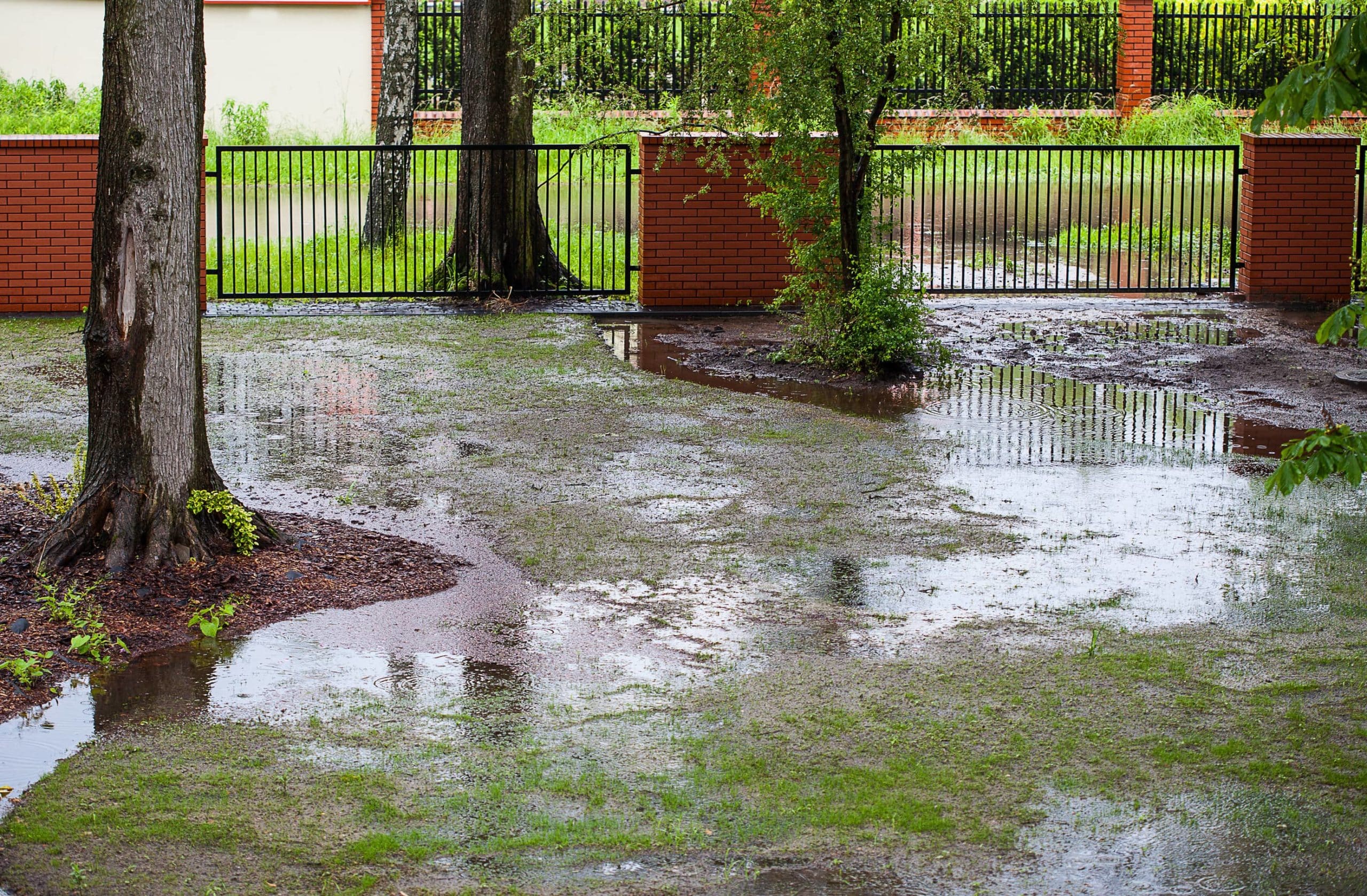
More frequent and intense rainfall can oversaturate soil, leaving wastewater with nowhere to disperse. When this happens, septic systems may back up or overflow instead of filtering wastewater effectively.
Common signs of oversaturation include surface pooling near the drainfield, foul odors, and slow household drains. Routine pumping, inspections, and maintenance help reduce system strain during prolonged wet conditions.
Rising Groundwater Levels Reduce Filtration
A functioning septic system requires a layer of unsaturated soil between the drainfield and groundwater. Rising water tables reduce this buffer, increasing the risk that untreated wastewater reaches groundwater sources.
When groundwater levels rise too high, septic systems may trigger warning signals or experience partial failure. Early attention to alarms, warning lights, or drainage issues can prevent more serious system damage.
Drought and Flood Cycles Damage Soil Structure
Extended dry periods cause soil to harden and compact. When heavy rain follows, compacted soil struggles to absorb water, leading to runoff, erosion, and reduced wastewater treatment capacity.
These rapid shifts between drought and flooding place additional stress on drainfields and are a growing cause of septic system failures in many regions.
Temperature Changes Disrupt Beneficial Bacteria
Septic systems rely on naturally occurring bacteria to break down waste. Extreme heat, inconsistent freezing, or shortened winter cycles can interfere with bacterial activity.
When bacterial performance declines, solids accumulate more quickly in the septic tank. This can lead to premature clogs, increased maintenance needs, and drainfield damage if left unaddressed.
Steps Homeowners Can Take to Protect Septic Systems
While climate patterns are beyond individual control, homeowners can take practical steps to reduce climate-related septic risks.
1. Schedule Regular Septic Inspections
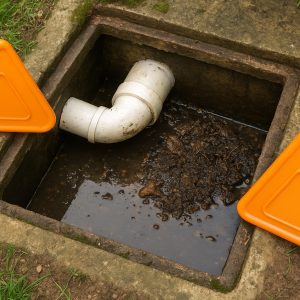
Routine inspections help identify early signs of groundwater intrusion, sludge buildup, or drainfield stress. Inspections are especially important after major storms or prolonged wet periods.
2. Increase Pumping Frequency When Needed
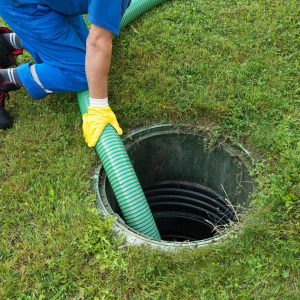
In wetter conditions, waste breaks down more slowly and solids accumulate faster. More frequent pumping reduces pressure on the drainfield and helps extend system lifespan.
3. Install Septic Tank Risers
Septic tank risers provide easier access for inspections and maintenance, particularly during wet or frozen conditions. Easier access supports timely service and reduces yard disruption.
4. Improve Drainage Around the Drainfield
Proper grading, stable grass cover, and avoiding deep-rooted plants near the drainfield help prevent water pooling and root intrusion. Keeping surface water away from the drainfield supports healthy soil filtration.
5. Upgrade Aging or Failing Systems
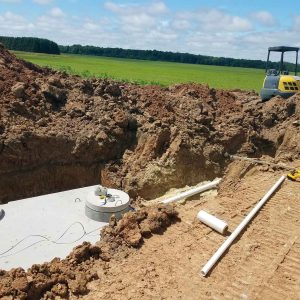
Older systems or those experiencing repeated issues may require upgrades or replacement. Modern designs are better equipped to handle fluctuating weather conditions and increased environmental stress.
Climate Awareness Starts at Home
Climate change is not just a global issue—it directly affects household infrastructure. Septic systems are particularly sensitive to changes in rainfall, groundwater, and temperature.
By adjusting maintenance routines, scheduling inspections, and responding early to warning signs, homeowners can reduce risk, protect their investment, and support environmental health.