A clogged septic tank distribution box (also known as a D-box) is a serious issue that can affect the performance and safety of an entire septic system. When this critical component becomes blocked, wastewater may back up into the home, flood the drainfield, or contaminate surrounding soil and groundwater.
Resolving a clogged distribution box requires professional expertise. This article explains the steps trained septic professionals typically take to diagnose and correct distribution box clogs, helping homeowners understand why proper repair is essential.
What Is a Septic Tank Distribution Box?
A distribution box is a junction point within a septic system that evenly directs treated wastewater from the septic tank into multiple drainfield lines. Proper distribution is critical for balanced absorption.
When a distribution box becomes clogged or unlevel, wastewater may overload certain drainfield sections while leaving others unused. This imbalance can accelerate drainfield failure and lead to system-wide issues.
7 Steps Professionals Take to Resolve a Clogged Distribution Box
1. Diagnose the Source of the Problem
Before beginning repairs, a septic professional performs a thorough system inspection to confirm that the distribution box is the source of the issue. This process may include:
-
Reviewing system performance history
-
Using diagnostic tools such as inspection cameras
-
Identifying warning signs like slow drains, odors, wet soil, or backups
This step ensures the issue is not caused by other components, such as inlet piping or the septic tank itself.
2. Locate and Access the Distribution Box
Distribution boxes are typically buried between the septic tank and the drainfield. Professionals carefully locate and expose the box by:
-
Referencing system layouts or probing tools
-
Excavating precisely to avoid damaging drainfield lines
-
Following applicable health and safety standards
Improper excavation can cause additional system damage, making careful access essential.
3. Inspect the Interior Condition
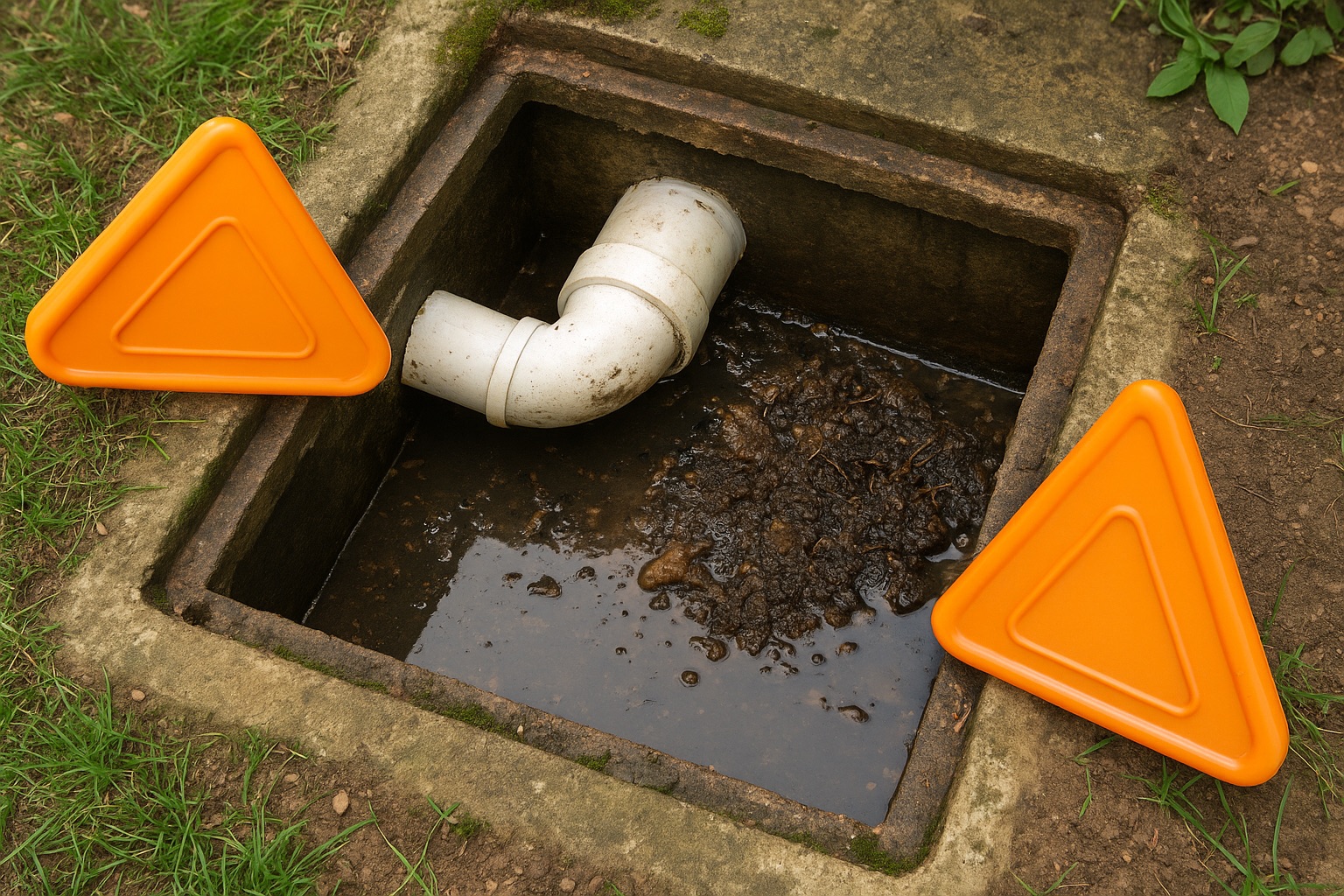
Once the distribution box is exposed, it is opened for visual inspection. Professionals assess:
-
Blockages caused by sludge, grease, or root intrusion
-
Standing water or uneven outlet flow
-
Cracks, erosion, or shifting that could restrict wastewater movement
Protective equipment and proper handling procedures are used to safely manage contaminated materials.
4. Remove the Blockage and Clean the Box
Depending on the severity of the clog, professionals may use a combination of methods to restore flow, including:
-
Mechanical removal of hardened material
-
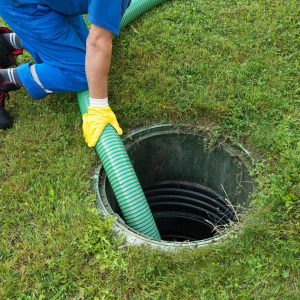
Suction or water-based cleaning techniques
-
Safe biological treatments for organic buildup
This process restores balanced wastewater distribution to the drainfield.
5. Verify Leveling and Structural Integrity
A distribution box must be level to function properly. Professionals check and correct alignment by:
-
Confirming equal flow to all outlet pipes
-
Repositioning the box if it has shifted
-
Replacing the box if structural damage is present
Improper leveling is a common cause of recurring drainfield problems and must be addressed during repairs.
6. Pump the Septic Tank if Necessary
A clogged distribution box may be linked to an overfilled septic tank. If excessive solids or liquid levels are found, the tank is pumped to:
-
Reduce pressure on the distribution box
-
Prevent solids from re-entering the system
-
Restore proper system balance
Routine pumping at recommended intervals is one of the most effective ways to prevent future distribution box issues.
7. Provide Preventive Maintenance Recommendations
After restoring function, professionals typically advise homeowners on preventive care, which may include:
-
Scheduling routine system inspections
-
Improving access for future maintenance
-
Avoiding heavy loads or plantings near system components
-
Managing water usage during wet conditions
-
Using septic-safe household products
These recommendations help reduce the risk of recurring clogs and extend system lifespan.
Why Distribution Box Repairs Should Not Be DIY Projects
While homeowners can manage some basic septic care practices, repairing a clogged distribution box is not a do-it-yourself task. Risks include:
-
Exposure to harmful bacteria and gases
-
Damage to system components
-
Improper diagnosis leading to larger failures
-
Noncompliance with health and safety standards
Professional expertise ensures repairs are completed safely and correctly.
Understanding the Value of Professional Septic Care
Distribution box clogs are a serious septic system issue that require careful diagnosis and precise repair. Understanding the steps professionals take helps homeowners recognize the importance of timely service and routine maintenance.
Proper care protects the drainfield, preserves system performance, and helps prevent costly long-term damage.