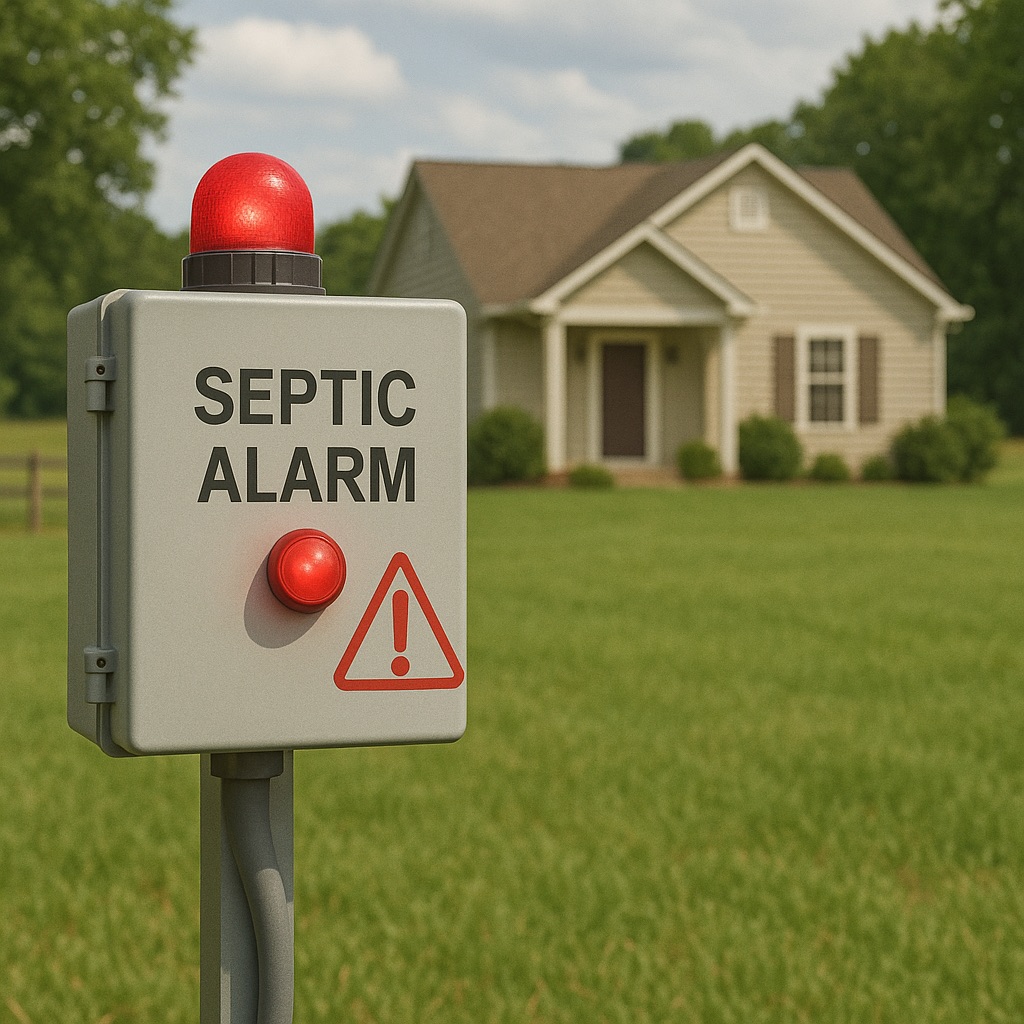
Hearing a septic alarm activate can be alarming, especially when it happens unexpectedly. While the cause may be minor, a septic alarm is an important warning signal that should never be ignored. Understanding why the alarm sounds and how to respond can help prevent system damage, backups, and environmental contamination.
This guide explains what a septic alarm indicates, common causes, and the appropriate steps homeowners should take when an alarm activates.
Why Septic Alarms Activate
Septic alarms are designed to alert property owners when wastewater levels rise above normal operating limits. This may occur when wastewater cannot exit the tank efficiently or when monitoring components malfunction.
Common reasons a septic alarm may activate include:
Common Causes of Septic Alarm Activation
1. Drainfield Backup
A failing or saturated drainfield can prevent wastewater from dispersing properly, causing liquid levels in the septic tank to rise. This often occurs when soil becomes compacted or oversaturated and can trigger an alarm before a backup occurs.
2. Full Septic Tank
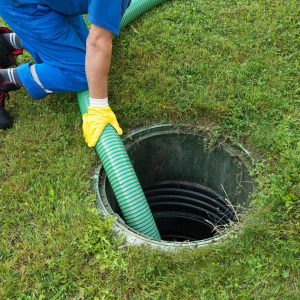
When a septic tank reaches capacity due to delayed pumping, incoming wastewater has nowhere to go. This can quickly raise liquid levels and activate the alarm.
3. Float Switch or Sensor Malfunction
Septic alarms rely on float switches or sensors to monitor water levels. Debris buildup, mechanical wear, or electrical faults can cause false alarms or inaccurate readings.
4. Excessive Water Usage
High water usage over a short period—such as multiple loads of laundry or extended guest occupancy—can temporarily overwhelm a septic system and trigger an alarm.
Step-by-Step: What to Do When a Septic Alarm Sounds
1. Stop All Water Use
Immediately discontinue water use throughout the property. Avoid flushing toilets, running appliances, or using sinks. This helps prevent additional wastewater from entering the system while the issue is assessed.
2. Check the Alarm Panel
Inspect the alarm panel for indicator lights, warning messages, or error codes. Some systems display high-water alerts or sensor status, which can help identify the underlying issue.
3. Visually Inspect the Septic Area (If Safe)
If it can be done safely, check the septic tank access area and drainfield surface. Signs such as standing water, strong odors, or unusually green grass may indicate drainfield or tank problems.
Avoid direct contact with wastewater and use appropriate protective equipment if inspection is attempted.
4. Reduce System Load
Continue limiting water use until the issue is resolved. Avoid flushing non-essential materials or introducing additional waste into the system.
5. Contact a Licensed Septic Professional
Even if the alarm appears to be a false alert, professional inspection is recommended. A trained technician can determine whether pumping, component repair, or further system evaluation is required.
Preventive Maintenance to Reduce Alarm Incidents
Regular maintenance significantly reduces the likelihood of septic alarms and system failures. Preventive measures include:
-
Septic tank pumping at recommended intervals
-
Routine system inspections, including alarm and float components
-
Water conservation practices
-
Protecting the drainfield from vehicle traffic or heavy equipment
Why Professional Inspection Matters
While homeowners can take immediate steps to reduce risk, diagnosing and resolving septic alarm issues requires professional expertise. Licensed septic professionals can:
-
Measure sludge and scum levels accurately
-
Identify drainfield absorption issues
-
Test and calibrate float switches and alarm components
-
Detect early signs of system failure not visible at the surface
Timely professional intervention can prevent more extensive damage and costly repairs.
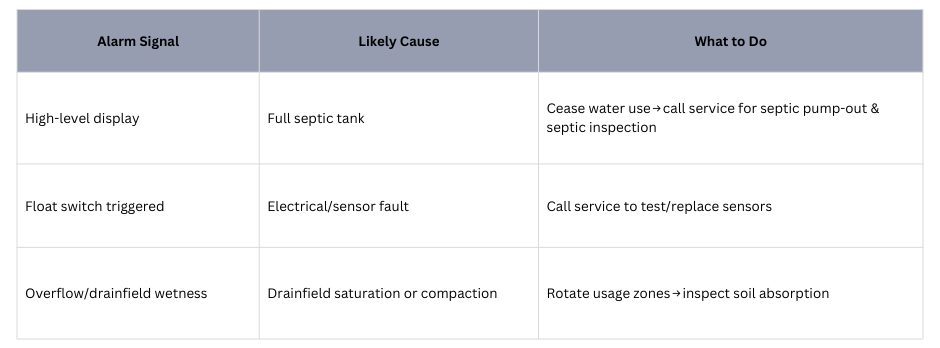
Quick Reference Table – Common Alarm Causes
Risks of Ignoring a Septic Alarm
Ignoring a septic alarm can result in serious consequences, including:
-
Wastewater backups into the home
-
Surface discharge and soil contamination
-
Groundwater pollution
-
Health risks from exposure to untreated sewage
-
Increased repair or replacement costs
A septic alarm serves as an early warning system designed to prevent these outcomes.
A septic alarm is not a cause for panic, but it does require prompt attention. By stopping water use, performing basic checks, and contacting a qualified septic professional, homeowners can often prevent minor issues from escalating into major system failures.
Understanding how septic alarms work and maintaining the system regularly helps protect property, health, and the surrounding environment.