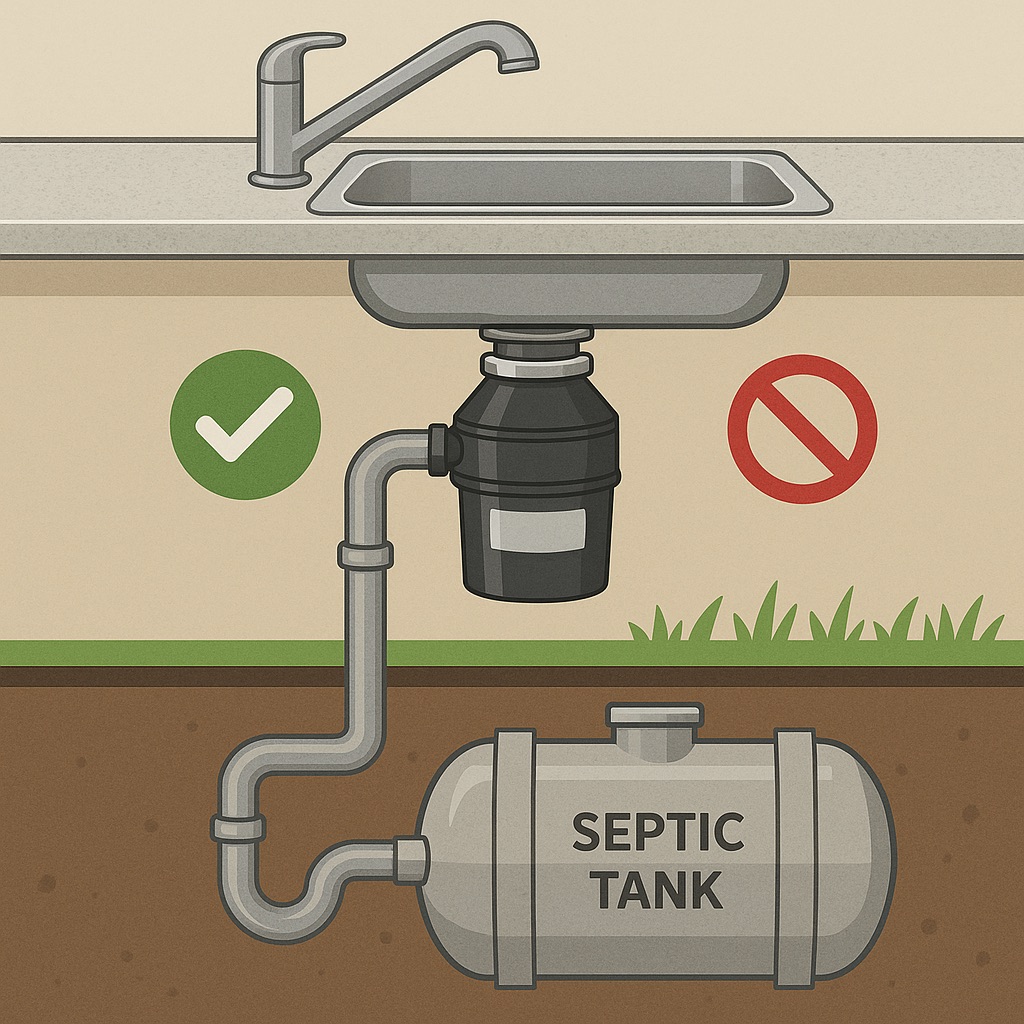
In many homes that rely on septic systems for wastewater management, the use of a garbage disposal requires careful consideration. While garbage disposals add convenience in the kitchen, they can place additional strain on septic systems if not used properly. Understanding how garbage disposals affect septic systems can help homeowners avoid costly repairs and maintain long-term system performance.
Understanding Septic Systems and Garbage Disposals
A septic system typically consists of a septic tank and a drainfield (also known as a leach field). Wastewater flows into the septic tank, where solids settle to the bottom as sludge and lighter materials float to the top as scum. The remaining liquid, known as effluent, exits the tank and is filtered through the drainfield soil.
Garbage disposals grind food waste into small particles that enter the septic tank. These additional solids increase the workload of the system and can accelerate sludge buildup if disposal use is frequent.
Potential Risks of Using a Garbage Disposal with a Septic System
1. Increased Solid Accumulation
Food particles contribute to the sludge layer in the septic tank. Excessive accumulation reduces tank capacity and increases the risk of solids entering the drainfield, which can cause clogs and system failure.
2. Drainfield Overload
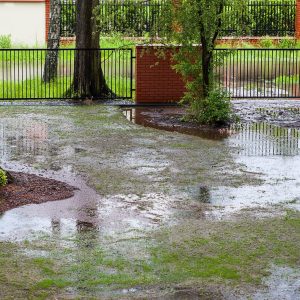
When solids escape the septic tank, they can block drainfield pipes and surrounding soil. This interferes with wastewater treatment and may lead to backups, standing water, and environmental contamination.
3. Disruption of Beneficial Bacteria
Septic systems rely on naturally occurring bacteria to break down waste. Introducing large volumes of food waste can disrupt bacterial balance, slowing decomposition and reducing system efficiency.
Best Practices for Using a Garbage Disposal with a Septic System
1. Limit Disposal Use
Use the garbage disposal sparingly. Large food scraps should be placed in the trash or composted rather than flushed into the system.
2. Avoid Certain Materials
Do not dispose of grease, oils, coffee grounds, fibrous vegetables, or non-biodegradable items. These materials are difficult to break down and can cause clogs or long-term system damage.
3. Adjust Septic Tank Pumping Frequency
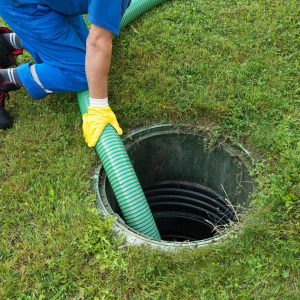
Homes that regularly use a garbage disposal may require more frequent septic tank pumping. Increased pumping intervals help prevent excess sludge buildup and protect the drainfield.
4. Use Cold Water During Operation
Running cold water while operating the garbage disposal helps solidify grease and oils, allowing them to be broken down before entering the septic tank and reducing the likelihood of clogs.
Alternative Waste Management Options
Composting
Composting food waste reduces the volume of organic material entering the septic system and provides a sustainable option for managing kitchen scraps.
Sink Strainers
Sink strainers capture food particles before they reach the garbage disposal, limiting the amount of solids entering the septic tank.
Signs of Septic System Trouble
Homeowners should watch for warning signs that may indicate septic system issues, including:
-
Slow-draining sinks or toilets
-
Persistent odors near the septic tank or drainfield
-
Standing water or soggy soil near system components
-
Unusually lush vegetation over the drainfield
Early detection of these symptoms allows for prompt intervention and helps prevent more extensive damage.
Garbage disposals can be used in homes with septic systems, but only with mindful habits and regular maintenance. Limiting disposal use, avoiding problematic materials, and maintaining proper pumping schedules help protect system performance.
A well-maintained septic system depends on responsible usage and routine care. By understanding the impact of garbage disposals and following best practices, homeowners can reduce risk, extend system lifespan, and avoid costly repairs.