What Is the Worst Thing for a Septic System?
A septic system is a critical part of any home that is not connected to a municipal sewer system. It processes household wastewater by separating solids, allowing bacteria to break down waste, and filtering liquid effluent into the drainfield. When misused or neglected, septic systems can fail prematurely, leading to costly repairs, environmental contamination, and health risks.
Understanding what causes the most damage to a septic system is essential for keeping it functional and reliable over the long term.
The Worst Things for a Septic System
1. Flushing Non-Biodegradable Items
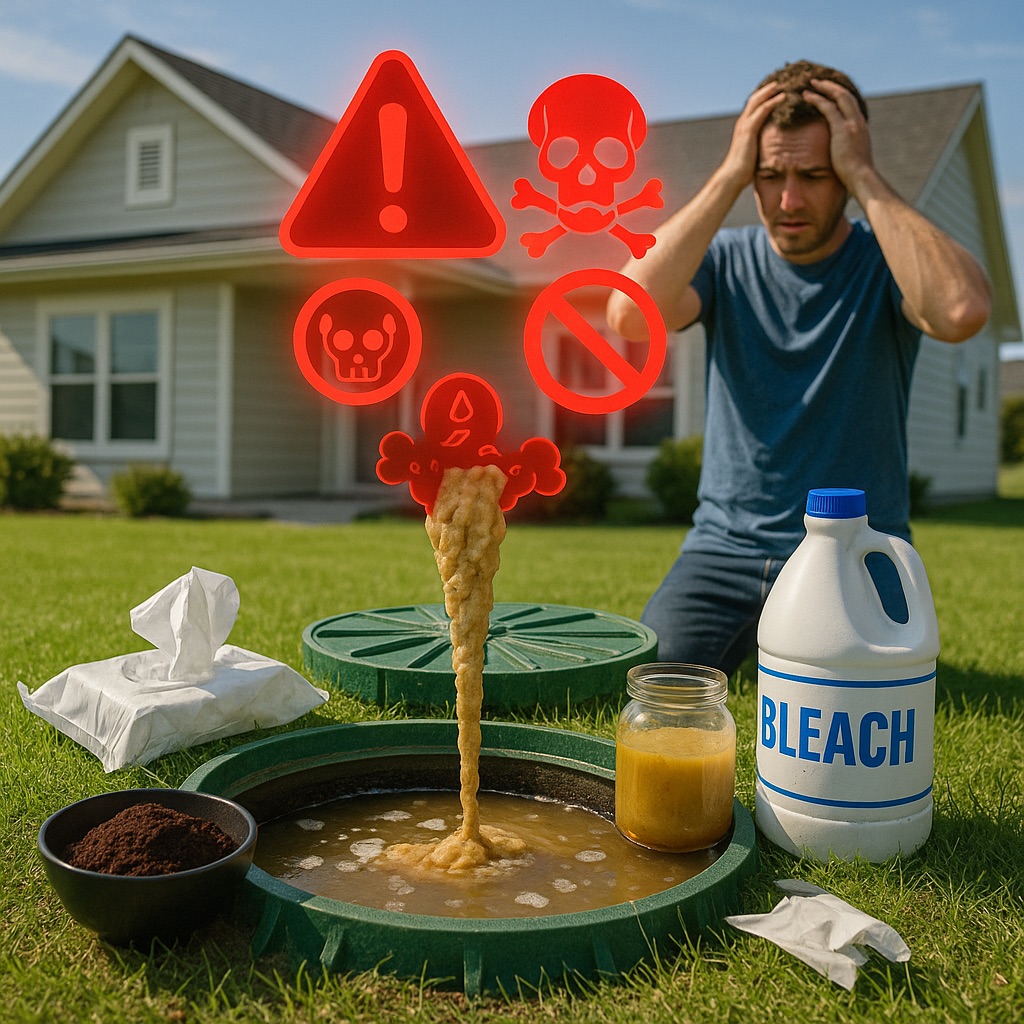
Septic systems are designed to handle only human waste and toilet paper. Flushing other materials can cause clogs, backups, and drainfield damage. Common problem items include:
-
Baby wipes (including “flushable” wipes)
-
Feminine hygiene products
-
Paper towels and napkins
-
Dental floss
-
Cotton swabs
-
Cigarette butts
-
Diapers
-
Cat litter
These materials do not break down in the septic tank and can accumulate in pipes and drainfield lines.
2. Excessive Water Usage
Overloading a septic system with too much water prevents solids from settling properly in the tank. When solids are carried into the drainfield, clogging and system failure can occur.
Ways to reduce water stress on the system include:
-
Spacing laundry loads over several days
-
Installing low-flow fixtures
-
Repairing leaks promptly
-
Limiting long showers
3. Harsh Chemicals and Cleaning Products
Beneficial bacteria are essential for breaking down waste inside a septic tank. Harsh chemicals can kill these bacteria and disrupt the treatment process. Products that are especially harmful include:
-
Bleach
-
Antibacterial cleaners
-
Drain openers
-
Ammonia-based products
-
Paint thinners and solvents
-
Pesticides and herbicides
Using septic-safe or mild cleaning alternatives helps preserve bacterial balance.
4. Grease, Fats, and Cooking Oils
Grease and oils solidify as they cool, forming blockages in pipes and thick scum layers in the septic tank. Over time, this buildup can cause clogs and backups.
Best practices include:
-
Disposing of grease in sealed containers
-
Wiping greasy dishes before washing
-
Using sink strainers to catch food particles
5. Driving or Parking Over the Drainfield
Septic tanks and drainfields are not designed to support heavy loads. Driving or parking over these areas can:
-
Crack pipes
-
Crush the septic tank
-
Compact soil, preventing proper wastewater absorption
Drainfields and septic tanks should remain free of vehicles, equipment, and heavy structures.
6. Tree and Shrub Roots
Roots naturally seek moisture and nutrients, making septic systems attractive targets. Root intrusion can:
-
Crack or block pipes
-
Damage the septic tank
-
Reduce drainfield effectiveness
Trees should be planted well away from septic components, and root-prone plants should be avoided near drainfields.
7. Skipping Regular Septic Maintenance
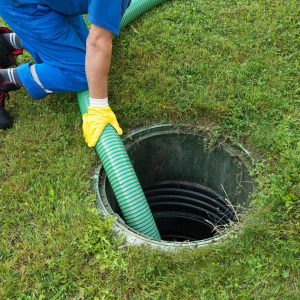
Lack of routine maintenance is one of the most common causes of septic failure. Without inspections and pumping, sludge builds up and can migrate into the drainfield.
Recommended maintenance typically includes:
-
Septic tank pumping every three to five years
-
Routine inspections every one to three years
-
Monitoring for signs of leaks, odors, or standing water
8. Overuse of Garbage Disposals
Frequent use of garbage disposals introduces excess solids into the septic tank, increasing sludge buildup and reducing system efficiency.
Reducing disposal use, composting food waste, and limiting solid inputs can help protect the system.
9. Flushing Medications
Medications contain chemicals that can disrupt bacterial activity inside the septic tank. These substances should be disposed of through approved take-back programs rather than flushed.
10. Poor Drainage and Excess Rainwater
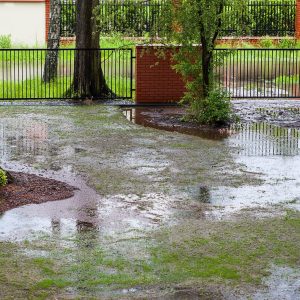
Excess surface water can oversaturate the drainfield, preventing proper treatment and dispersal of wastewater. Drainage improvements may include:
-
Redirecting roof runoff away from the drainfield
-
Avoiding over-watering lawns near septic areas
-
Maintaining proper grading around the system
A septic system is designed to operate quietly and efficiently, but it depends on responsible use and regular care. Most septic failures are preventable when harmful practices are avoided and maintenance schedules are followed. Protecting the system from physical damage, chemical disruption, and overload helps ensure long-term performance, environmental safety, and lower repair costs.