
Seasonal Septic System Maintenance Tips for Central Virginia Homeowners
Septic systems may be out of sight, but they should never be out of mind—especially when the seasons change. Just like your HVAC system or car needs different care in summer versus winter, your septic system responds differently to weather shifts, rainfall, soil conditions, and water usage throughout the year.
Ignoring seasonal septic system maintenance is like skipping oil changes in your car. Things may work for a while, but eventually something will fail—and septic system failures are expensive, unsanitary, and potentially hazardous to both health and the environment.
Whether you live in rural Louisa County or manage a busy household in Spotsylvania, your septic system is constantly adapting to seasonal conditions. A year-round maintenance plan helps protect your home, your budget, and local groundwater.
According to the EPA, regular maintenance is the most effective way to prevent septic system failure and water contamination.
Spring Septic System Maintenance Tips
Spring brings heavy rainfall, rising groundwater, and renewed plant growth—all of which can stress your septic system.
1. Inspect for Winter Damage
Cold temperatures can crack pipes, shift tank lids, and damage drainfields. Watch for slow drains, standing water, or sewage odors, which may indicate winter-related damage.
2. Pump the Septic Tank if Needed
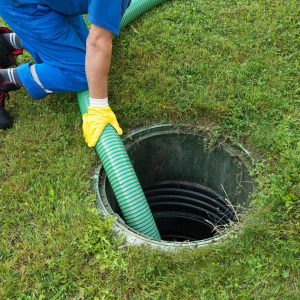
If septic tank pumping was delayed before winter, spring is an ideal time to catch up. A full tank combined with saturated soil can lead to backups and drainfield failure.
3. Redirect Rainwater Away from the Drainfield
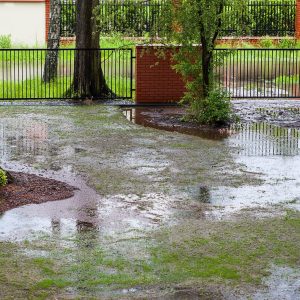
Ensure gutters, downspouts, and landscaping direct runoff away from the drainfield. Excess moisture prevents proper wastewater absorption.
4. Monitor Root Growth
Spring root growth can lead to root intrusion in pipes and drainfields. Trees and shrubs planted too close to septic components should be monitored carefully.
Summer Septic System Maintenance Tips
Summer places heavy demand on septic systems due to increased water use, guests, and outdoor activities.
1. Manage Water Usage
Excessive water can overwhelm the system and push solids into the drainfield.
Helpful practices include:
-
Spacing out laundry loads
-
Fixing leaks promptly
-
Using water-efficient fixtures
-
Avoiding draining pool or spa water into the system
2. Keep Heavy Traffic Off the Drainfield
Driving, parking, or placing equipment on the drainfield compacts soil and damages pipes, reducing wastewater treatment effectiveness.
3. Maintain Healthy Grass Cover
Shallow-rooted grass protects against erosion and supports evaporation. Avoid planting trees or installing irrigation systems over the drainfield.
4. Schedule a Routine Inspection
Summer inspections help identify issues before colder weather sets in, especially if plumbing usage has increased.
Fall Septic System Maintenance: Preparing for Cold Weather
Fall is the ideal time to prepare your septic system for winter conditions.
1. Pump the Tank Before Freezing Temperatures
Pumping in fall reduces the risk of freezing solids and winter backups.
2. Insulate Septic Components
Using mulch, straw, or leaves over the tank and drainfield helps retain heat and protects against freezing.
3. Repair Leaks and Seal Openings
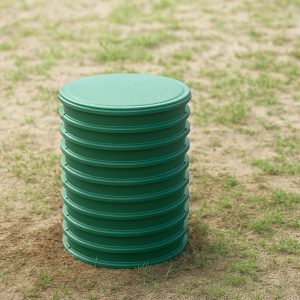
Even small leaks can freeze and cause pipe damage. Fall is the best time to address plumbing leaks, cracked lids, or exposed risers.
4. Improve Surface Drainage
Clear leaves and debris from drainage paths and ensure water flows away from septic components.
Winter Septic System Maintenance: Prevent Freezing and Backups
Winter conditions can severely disrupt septic system function if not properly managed.
1. Protect Pipes from Freezing
Avoid compacting snow over septic areas and add insulating cover where needed. Regular water use helps maintain pipe temperature.
2. Use Water Wisely
Frozen soil drains slowly. Spacing out water use reduces strain on the system during cold weather.
3. Keep the System Active or Winterize It
Year-round homes benefit from regular use. Seasonal properties should be professionally winterized to prevent frozen lines.
4. Avoid Deicers Near Septic Areas
Chemical ice melts can harm beneficial bacteria and disrupt soil filtration. Use sand or non-toxic alternatives near septic components.
Why Year-Round Septic Maintenance Matters
Consistent seasonal care provides major benefits:
-
Prevents emergency repairs
-
Extends septic system lifespan
-
Reduces environmental contamination
-
Protects property value
-
Improves system reliability
Routine inspections and pumping are significantly more cost-effective than system replacement.
Warning Signs That Require Immediate Attention
If you notice:
-
Slow drains
-
Gurgling plumbing
-
Sewage odors
-
Standing water near the drainfield
These symptoms should be addressed promptly to prevent system failure.
Frequently Asked Questions: Septic System Maintenance