Septic systems are an essential part of many homes and businesses, especially in areas without access to municipal sewage systems. While septic tanks and drainfields are the most visible components, much of the system’s effectiveness depends on microscopic organisms. Bacteria play a critical role in breaking down waste, maintaining system efficiency, and preventing long-term damage. Understanding how bacteria function within a septic system can help property owners maintain proper operation and avoid costly failures.
How Bacteria Work in a Septic System
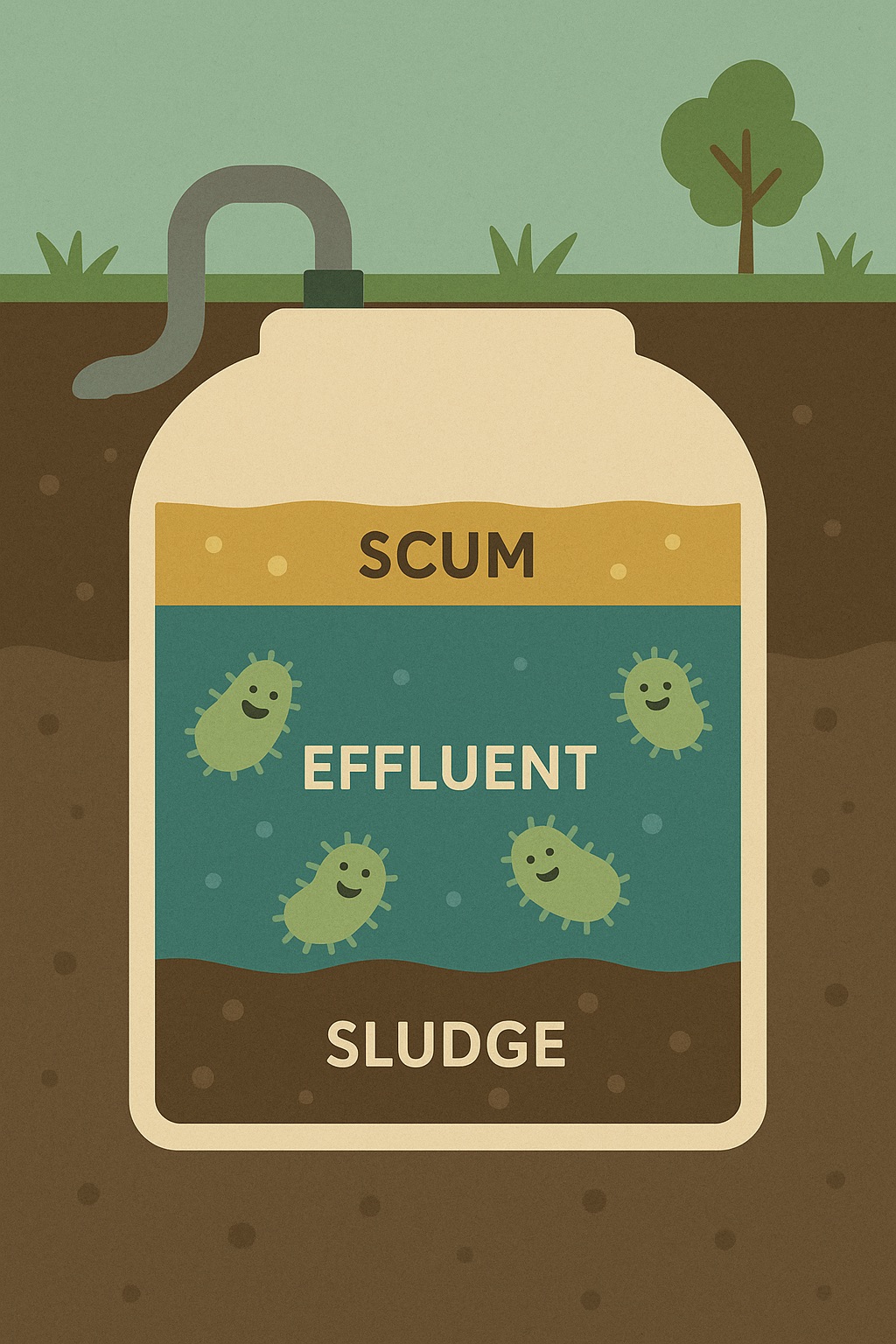
Bacteria are responsible for the natural decomposition process inside a septic system. When wastewater enters the septic tank, it separates into three layers: solids (sludge) settle at the bottom, liquids (effluent) remain in the middle, and lighter materials (scum) float to the top. Bacteria break down organic matter in the sludge and scum layers, converting it into simpler compounds that the system can process safely.
There are two primary types of bacteria involved:
Aerobic bacteria
These bacteria require oxygen to survive and are commonly found in aerated or advanced treatment systems. They are highly efficient at breaking down organic material and are often used in enhanced treatment units.
Anaerobic bacteria
These bacteria function without oxygen and are the primary decomposers in conventional septic systems. While they work more slowly than aerobic bacteria, they are essential for breaking down waste inside septic tanks.
Both types of bacteria are necessary to maintain balance within the system. Without sufficient bacterial activity, waste can accumulate quickly, leading to clogs, backups, and drainfield failure.
The Impact of Bacteria on Leach Fields
After wastewater exits the septic tank, it moves into the leach field, where bacteria in the soil continue the treatment process. These microorganisms filter and decompose remaining organic material before the water reenters the environment. This natural filtration process helps reduce contaminants and supports safe wastewater dispersal.
If bacterial balance is disrupted, solids and biological buildup can accumulate within the leach field. This may cause soil saturation, restricted flow, and eventual system failure. Maintaining healthy bacterial activity is critical to protecting the leach field and preventing costly repairs or replacement.
How to Maintain Healthy Bacteria in a Septic System
Maintaining a stable bacterial environment supports long-term septic system performance. The following practices help protect beneficial bacteria:
Avoid Harsh Chemicals
Many household cleaning products, including bleach, antibacterial soaps, and strong drain cleaners, can kill beneficial bacteria. Using septic-safe or low-toxicity products helps preserve microbial balance.
Use Septic Additives with Caution
Some additives are marketed to boost bacterial activity. While certain products may help in specific situations, others can disrupt natural processes. Professional guidance is recommended before using any septic additives.
Limit Garbage Disposal Use
Garbage disposals introduce additional solids and grease into the system, increasing bacterial workload. Reducing disposal use or increasing pumping frequency can help manage this added strain.
Schedule Regular Septic Tank Pumping
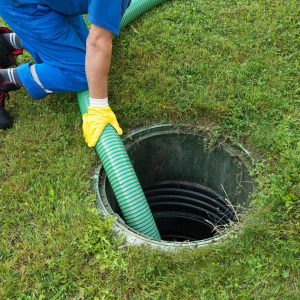
Even with healthy bacteria, solids accumulate over time. Routine pumping removes excess sludge and prevents solids from reaching the leach field. Most systems require pumping every three to five years, depending on usage and system size.
Conserve Water
Excessive water use can overload the system and flush bacteria out of the tank. Fixing leaks, installing water-efficient fixtures, and spreading out water use help maintain a stable environment.
Signs of Bacterial Imbalance or System Stress
When bacterial activity is compromised, septic systems may show warning signs such as:
-
Slow drains or frequent backups
-
Persistent odors near the tank or leach field
-
Unusually lush vegetation over the leach field
-
Standing water near system components
-
Gurgling sounds in plumbing fixtures
Ignoring these signs can lead to system failure and the need for extensive repairs or full replacement.
Alternative Septic Systems and Bacterial Needs
In areas with challenging soil or environmental conditions, alternative septic systems may be required. Systems such as mound systems, aerobic treatment units, and alternative leach field designs rely on specific bacterial processes to function properly. These systems often require closer monitoring and maintenance to support bacterial health.
For example, aerobic systems depend on consistent oxygen supply, making maintenance of air pumps and components essential. Mound systems rely on bacterial activity within engineered soil layers to filter wastewater effectively.
The Role of Professional Septic Services
While routine care can be handled by property owners, professional septic services play a key role in maintaining system health. Inspections, evaluations, and maintenance performed by trained professionals help identify bacterial issues early and prevent minor problems from becoming major failures.
Professional assessments can also address concerns such as leach field saturation, root intrusion, or recurring drainage issues, ensuring the system continues to function as designed.