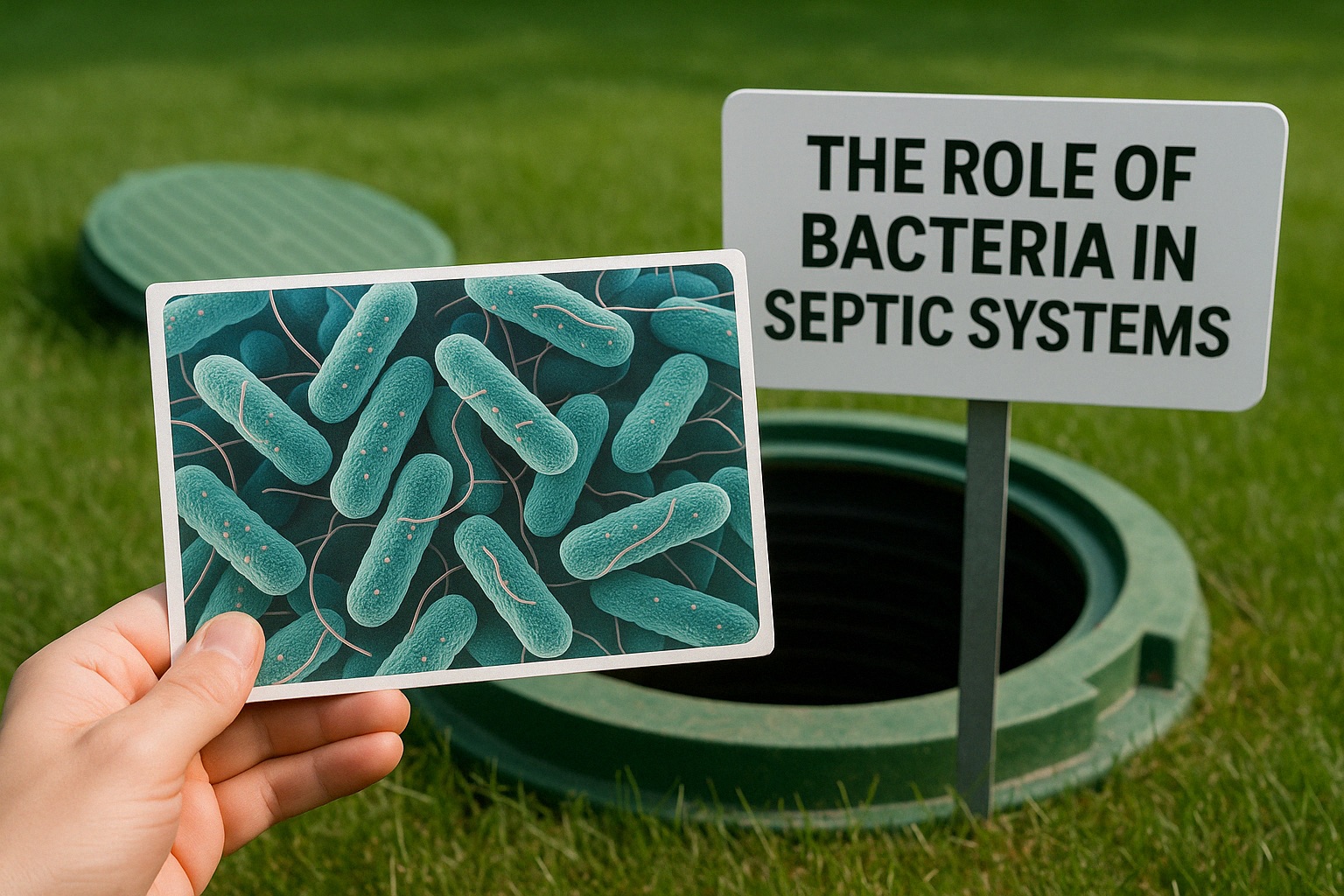
Septic systems are an essential wastewater treatment solution for homes and businesses that are not connected to municipal sewer systems. While septic tanks and drainfields are the most visible components, much of the system’s effectiveness depends on microscopic organisms. Bacteria play a critical role in breaking down waste, supporting system efficiency, and reducing the risk of system failure.
Understanding how bacteria function within a septic system can help property owners make informed decisions that support long-term performance and reliability.
How Bacteria Work in a Septic System
Bacteria are responsible for decomposing organic material inside a septic system. When wastewater enters the septic tank, it separates into three layers:
-
Sludge – Heavy solids settle at the bottom
-
Effluent – Partially treated liquid remains in the middle
-
Scum – Oils, grease, and lighter materials float to the surface
Bacteria break down organic matter in the sludge and scum layers, converting it into simpler compounds that the system can manage more effectively.
Types of Bacteria in Septic Systems
There are two primary categories of bacteria involved in septic treatment:
-
Aerobic bacteria – These organisms require oxygen and are commonly used in aerated or advanced treatment systems. They break down organic material more rapidly and efficiently.
-
Anaerobic bacteria – These bacteria do not require oxygen and are the primary decomposers in conventional septic tanks. Although they work more slowly, they are essential for waste breakdown in standard systems.
Both types contribute to a balanced treatment process. Without adequate bacterial activity, solids can accumulate, leading to clogs, backups, and drainfield failure.
The Role of Bacteria in Leach Fields
After leaving the septic tank, effluent enters the leach field, where bacteria in the soil continue the treatment process. Soil microorganisms help filter remaining contaminants and decompose organic material before the water reenters the environment.
When bacterial balance is disrupted, solids and biofilms may accumulate in the leach field. This can restrict absorption, reduce treatment efficiency, and lead to system failure. Maintaining healthy bacterial activity is essential for preventing long-term damage.
Maintaining Healthy Bacteria in a Septic System
Supporting bacterial health is one of the most important aspects of septic system care. Key practices include:
Avoid Harsh Chemicals
Strong cleaning products, bleach, antibacterial soaps, and chemical drain cleaners can destroy beneficial bacteria. Using septic-safe or mild cleaning products helps preserve microbial balance.
Use Additives Cautiously
Some septic additives are marketed to enhance bacterial activity. While certain products may help under specific conditions, others may disrupt natural processes. Professional guidance is recommended before introducing additives.
Limit Garbage Disposal Use
Garbage disposals increase the volume of solids entering the septic tank. Excess food waste can overwhelm bacterial capacity and accelerate sludge buildup, increasing the need for pumping.
Schedule Regular Tank Pumping
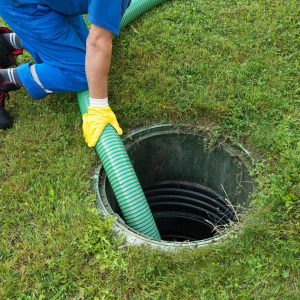
Even with healthy bacteria, solids accumulate over time. Routine septic tank pumping removes excess sludge and prevents solids from reaching the leach field. Most systems require pumping every three to five years, depending on usage and tank size.
Conserve Water
Excessive water use can flush bacteria out of the tank and overload the system. Repairing leaks, using efficient fixtures, and spacing out water-intensive activities helps maintain stable bacterial populations.
Signs of Bacterial Imbalance or System Stress
A septic system experiencing reduced bacterial activity may exhibit warning signs such as:
-
Slow drains or recurring backups
-
Persistent odors near the tank or leach field
-
Unusually lush vegetation above the leach field
-
Standing water near system components
-
Gurgling sounds in plumbing fixtures
Addressing these symptoms early can prevent more extensive system damage.
Alternative Septic Systems and Bacterial Needs
Certain properties require alternative septic system designs due to soil conditions or environmental constraints. Systems such as aerobic treatment units, mound systems, and alternative leach field designs rely heavily on controlled bacterial activity.
These systems often require additional monitoring, mechanical components, or oxygen supply to maintain proper bacterial function. Consistent maintenance is essential to ensure effective treatment.
The Role of Professional Septic Services
While property owners can support bacterial health through daily practices, professional septic services provide critical system evaluation and maintenance. Trained professionals can assess bacterial performance, identify developing issues, and recommend corrective actions before failures occur.
Routine inspections, pumping, and system assessments help maintain treatment efficiency and extend system lifespan.
Bacteria are the foundation of effective septic system operation. They break down waste, support filtration in the leach field, and protect the surrounding environment. Maintaining healthy bacterial populations through proper usage, regular maintenance, and informed care practices is essential for long-term system performance and reliability.