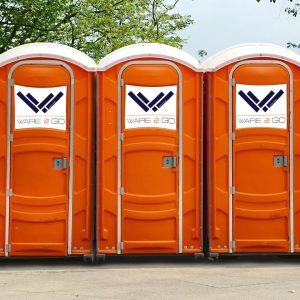

If you’re organizing a construction project, wedding, festival, or outdoor event, understanding porta potty rental regulations is essential. Working with a provider that understands these requirements can help ensure everything runs smoothly. Regulations help ensure clean, accessible sanitation for guests and workers while reducing the risk of fines, delays, or permit issues.
From OSHA standards to health department guidelines and local permitting rules, this guide walks you through what you need to know about portable restroom compliance.
Why Portable Toilet Regulations Matter
Portable toilets are often required for events, construction sites, and temporary setups. There are clear standards that must be followed to ensure safety and compliance.
Health and safety codes are in place to:
-
Protect public health
-
Ensure access for people with disabilities
-
Prevent environmental contamination
-
Avoid legal penalties and liability issues
Multiple authorities may be involved in setting and enforcing these requirements depending on the type of project or event.
OSHA Sanitation Rules for Construction Sites
If you’re managing a job site, OSHA sanitation standards (29 CFR 1926.51) typically include:
-
1 portable toilet for every 20 workers
-
Toilets located within a reasonable walking distance of work areas
-
Regular cleaning and restocking (commonly at least once per week)
-
Handwashing stations when workers handle food, chemicals, or waste
On larger or public-facing projects, it is also best practice to include at least one handicap accessible unit per restroom cluster.
Health Department Guidelines for Temporary Events
When hosting events such as weddings, parades, or festivals, portable sanitation setups should meet general public health expectations.
Typical guidelines include:
-
Providing approximately 1 portable toilet per 100 attendees when permanent restrooms are not available
-
Scheduling sanitation services for the duration of the event
-
Including handwashing stations, especially when food is served
-
Ensuring proper waste disposal through a licensed sanitation provider
For higher comfort and reduced wait times, many planners use a ratio closer to 1 unit per 50 attendees. Including at least one handicap accessible unit per group is also recommended.
Local Permitting Considerations
For events held on public property or in shared spaces, permits are often required. These may include:
-
Submitting an event application with details on restroom quantity and placement
-
Providing information about the sanitation provider and service schedule
-
Following placement restrictions for public walkways, streets, or parks
-
Adhering to time limits for temporary restroom placement
Requirements vary by location, so it’s important to verify details with local authorities.
Handwashing and Accessibility Standards
Portable sanitation setups should also include:
-
Handwashing stations with water or sanitizer, soap, and paper towels
-
At least one handicap accessible unit per restroom grouping
-
Clean units with proper ventilation, locking doors, and stocked supplies
These features support both hygiene and accessibility for all users.
Environmental Considerations
When placing portable toilets outdoors, especially near sensitive areas, environmental precautions are important.
Best practices include:
-
Positioning units a safe distance away from water sources or drainage areas
-
Placing units on stable, level ground to prevent tipping
-
Using eco-friendly, non-toxic chemicals
-
Preparing for inspections in regulated or high-traffic areas
Long-Term Portable Toilet Rentals
For longer-term use such as agricultural operations or extended projects, sanitation requirements typically include:
-
1 unit per 20 workers
-
Accessible handwashing facilities nearby
-
Regular servicing, often on a weekly basis or more frequently depending on usage
Long-term rentals are commonly used for seasonal workforces and ongoing outdoor operations.
Avoiding Non-Compliance
Failure to meet portable toilet regulations can result in:
-
Permit denials
-
Project delays or shutdowns
-
Fines from regulatory agencies
-
Public health concerns or complaints
-
Increased liability risks
Working with an experienced provider can help ensure all requirements are met.
Conclusion
Portable toilet regulations play an important role in maintaining safe, clean, and accessible environments for both workers and the public. By understanding the requirements and planning accordingly, you can ensure your project or event remains compliant and runs smoothly.