
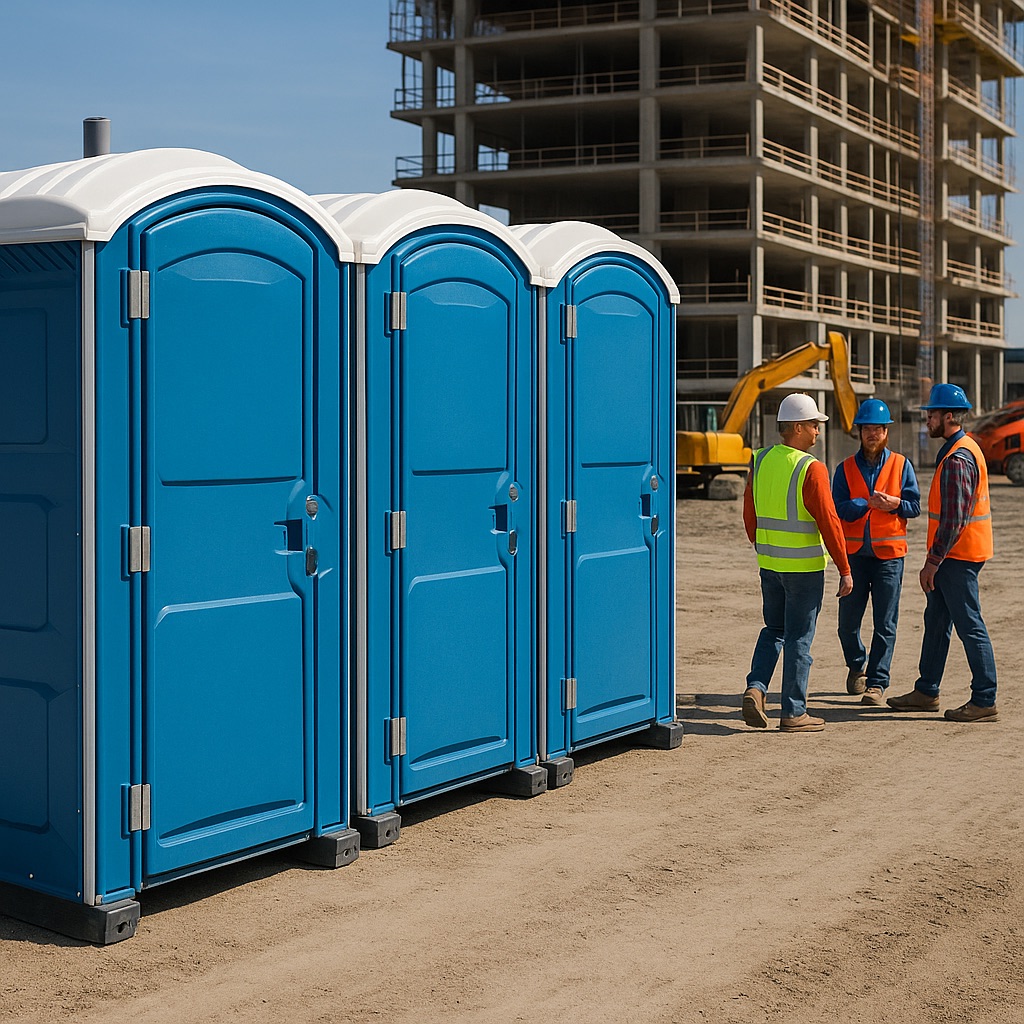
In the fast-paced world of construction, efficiency and timeliness are critical. However, one often overlooked factor—portable sanitation—can significantly impact project timelines and worker productivity. Poor sanitation practices can lead to compliance issues, reduced morale, and unnecessary delays. Understanding common mistakes and how to avoid them helps keep projects running smoothly.
This article outlines five common portable sanitation mistakes on construction sites and practical ways to address them.
- Inadequate Number of Portable Toilets
Providing too few portable toilets can disrupt workflow and reduce productivity. A commonly accepted guideline is one toilet for every 20 or fewer workers.
Not meeting this standard can lead to compliance issues and decreased worker satisfaction. Ensuring the right number of units helps maintain efficiency and proper sanitation conditions.
- Poor Maintenance Practices
Regular maintenance is essential to keep portable toilets clean and functional. Without proper servicing, units can become unsanitary and unpleasant to use.
Best practices include:
- Regular cleaning schedules
- Consistent restocking of supplies such as toilet paper and hand sanitizer
- Routine inspections to identify and resolve issues
Maintaining clean facilities supports worker health and overall job site efficiency.
- Non-Compliance with Regulations
Construction sites must follow workplace sanitation requirements. Failing to meet these standards can result in fines, complaints, or project interruptions.
Key considerations include:
- Providing accessible sanitation facilities for all workers
- Ensuring proper waste management
- Supplying handwashing options with soap and water
Ongoing monitoring and adherence to standards help prevent compliance issues.
- Improper Placement of Portable Toilets
Placement plays an important role in accessibility and safety. Poor positioning can lead to inconvenience or hazards on-site.
Best practices include:
- Placing units within a reasonable distance of work areas
- Avoiding high-traffic or hazardous zones
- Ensuring placement on stable, level ground
Strategic placement reduces downtime and improves usability.
- Neglecting Handwashing Stations
Hand hygiene is a key component of workplace health. Providing handwashing stations helps reduce the spread of illness and supports a safer work environment.
Stations should include:
- Clean water or approved alternatives
- Soap
- Single-use towels or drying options
Including proper hygiene facilities helps maintain worker well-being and productivity.
Conclusion
Portable sanitation is an essential part of construction site management. By avoiding common mistakes—such as insufficient units, poor maintenance, non-compliance, improper placement, and lack of handwashing facilities—you can improve efficiency, reduce delays, and support a healthier work environment.
Portable Sanitation Options
Common solutions for construction sites include:
- Standard portable toilets
- Accessible portable toilets
- Restroom trailers
- Handwashing stations
Choosing the right combination depends on the size of the crew, project duration, and site conditions.