-
While renting a portable toilet includes regular servicing by professionals, many people wonder: how are portable toilets emptied, and where does the waste go? Proper waste disposal is essential for maintaining hygiene, meeting regulations, and protecting the environment.
In this guide, we’ll break down how portable toilets are serviced and where the waste is safely processed.
Understanding Portable Toilet Waste Management
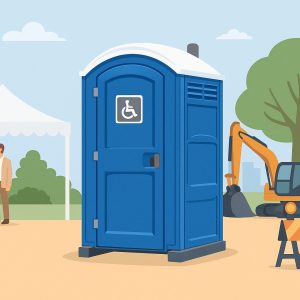
Portable toilets—including standard units, accessible units, and restroom trailers—store waste in a holding tank beneath the seat. This waste consists of urine, feces, and toilet paper, combined with deodorizing and sanitizing solutions that help control odor and break down materials.
Unlike traditional plumbing systems, portable toilets are not connected to sewer lines. Waste must be removed and transported using specialized equipment.
How Portable Toilets Are Emptied
Step 1: Preparing Equipment
Service technicians use specialized tools and protective equipment, including:
-
Gloves, masks, and protective eyewear
-
Vacuum pump systems
-
Waste transport tanks or service trucks
-
Cleaning and sanitizing supplies
This ensures the process is handled safely and efficiently.
Step 2: Pumping Out the Waste
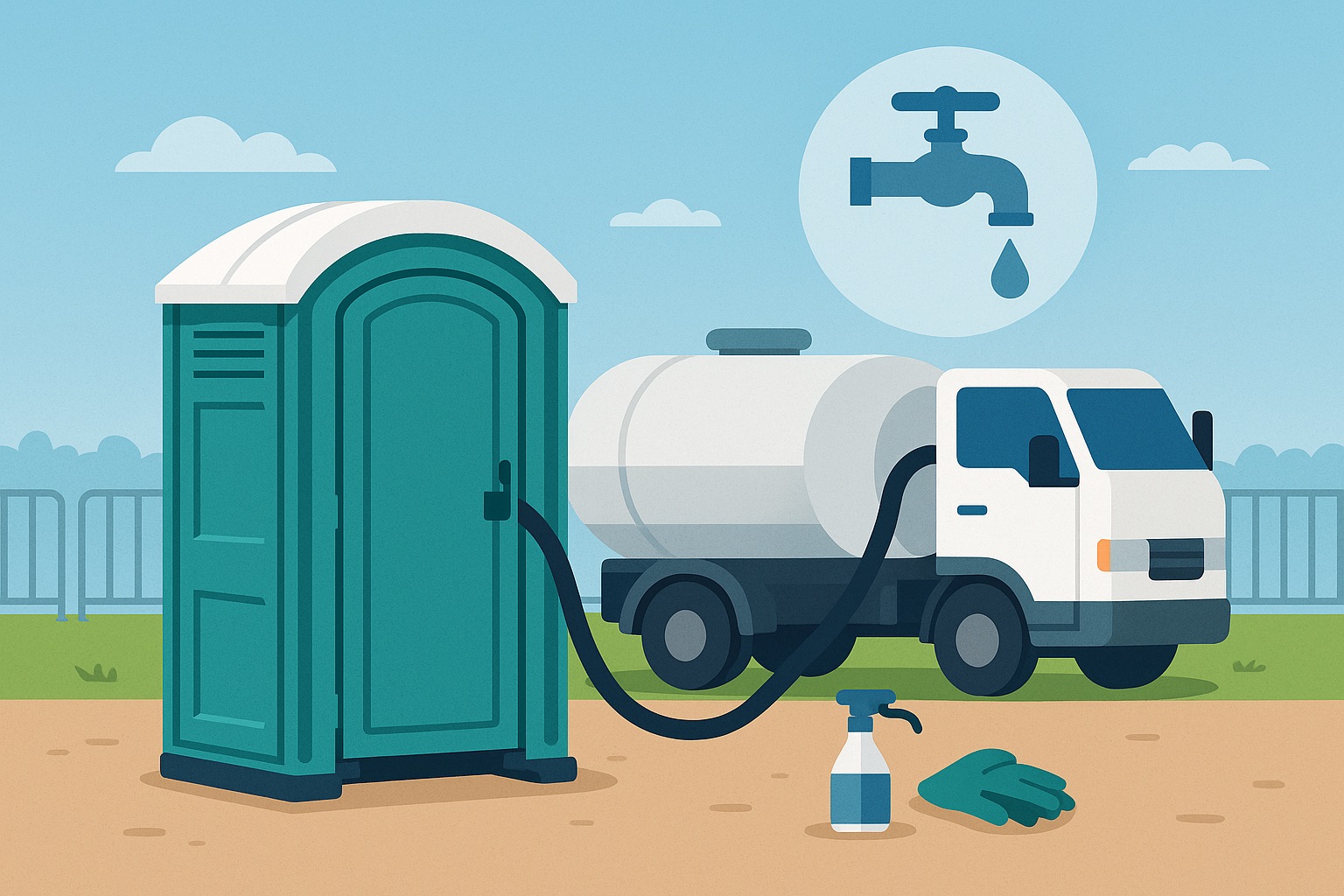
Most portable toilets are emptied using a vacuum system:
-
A suction hose is connected to the waste tank
-
Waste is pumped into a sealed holding tank on a service vehicle
-
Both liquid and solid waste are fully removed
This process is quick, controlled, and designed to prevent spills or contamination.
Step 3: Transporting the Waste
After removal, waste is transported to an approved disposal facility. Strict regulations govern the handling and transportation of human waste to ensure environmental safety.
Step 4: Cleaning and Servicing the Unit
Once emptied, the unit is thoroughly serviced:
-
Interior surfaces are rinsed and cleaned
-
Disinfectants are applied to eliminate bacteria
-
Supplies such as toilet paper are restocked
-
Fresh deodorizing solution is added to the tank
This ensures the unit is clean, sanitary, and ready for continued use.
Where Does Portable Toilet Waste Go?
Collected waste is transported to designated facilities for proper treatment:
1. Wastewater Treatment Plants
Most waste is processed at municipal treatment plants, where it undergoes filtration, biological treatment, and disinfection before being safely released back into the environment.
2. Septic Systems
In some rural areas, waste may be deposited into approved septic systems, where it is naturally broken down and filtered through the soil.
3. Specialized Treatment Facilities
Some providers use dedicated facilities designed specifically for processing portable sanitation waste, ensuring proper separation and treatment.
4. Authorized Dump Stations
Certain locations, such as RV parks, provide approved dump stations for waste disposal, though these are typically limited to smaller volumes.
Why Professional Waste Disposal Matters
Improper disposal can lead to serious environmental and health risks. Professional sanitation providers follow strict guidelines to:
-
Prevent contamination of soil and groundwater
-
Reduce the spread of harmful bacteria and disease
-
Ensure compliance with local and federal regulations
Working with a professional service ensures that waste is handled safely and responsibly.
Best Practices for Portable Toilet Maintenance
To keep portable toilets in optimal condition:
-
Schedule regular servicing to prevent overflow and odors
-
Use proper deodorizing and waste treatment solutions
-
Place units on stable, level ground
-
Avoid direct sunlight when possible to reduce heat buildup
-
Provide handwashing stations to support hygiene
Final Thoughts
Emptying and maintaining portable toilets requires specialized equipment, trained professionals, and strict adherence to safety standards. Whether used for construction sites, events, or emergency response, proper waste management is essential for cleanliness, compliance, and environmental protection.
Portable Sanitation Options
Common options include:
-
Standard portable toilets
-
Accessible portable toilets
-
Restroom trailers
-
Handwashing stations
Choosing the right solution—and ensuring proper servicing—helps maintain a clean, safe, and efficient environment for any application.
-

Can You Use Portable Toilets Without Water or Sewer? Complete Guide to Off-Grid Portable Toilet Rental
Whether you’re planning a weekend festival in a remote field, organizing a construction project with no utilities, or simply need temporary restroom solutions during plumbing renovations, one question always comes up: Can you use portable toilets without water or sewer?