How Portable Toilets Are Emptied and Where the Waste Goes
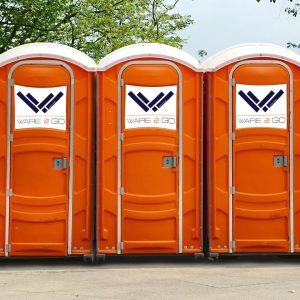
Portable toilets are essential for construction sites, outdoor events, and temporary job sites, providing sanitation where traditional restrooms are unavailable. While rentals typically include professional servicing, many people wonder how portable toilets are emptied and where the waste goes.
Proper disposal is critical for maintaining hygiene, meeting regulations, and protecting the environment. This guide explains the process, disposal methods, and best practices for portable toilet waste management.
Understanding Portable Toilet Waste Management
Portable toilets—including standard units, restroom trailers, and accessible portable toilets—store waste in a holding tank beneath the seat. This waste consists of:
-
Liquid and solid human waste
-
Toilet paper
-
Deodorizing and sanitizing solutions
Unlike traditional plumbing systems, portable toilets are not connected to sewer lines. Waste must be removed and transported using specialized equipment.
How Portable Toilets Are Emptied
Step 1: Gathering Equipment
Proper equipment is required to safely remove and handle waste:
-
Protective gear (gloves, mask, safety goggles)
-
Vacuum pump or waste transfer system
-
Holding tank or transport vehicle
-
Cleaning and sanitizing supplies
In most cases, trained professionals handle this process to ensure safety and compliance.
Step 2: Pumping the Waste
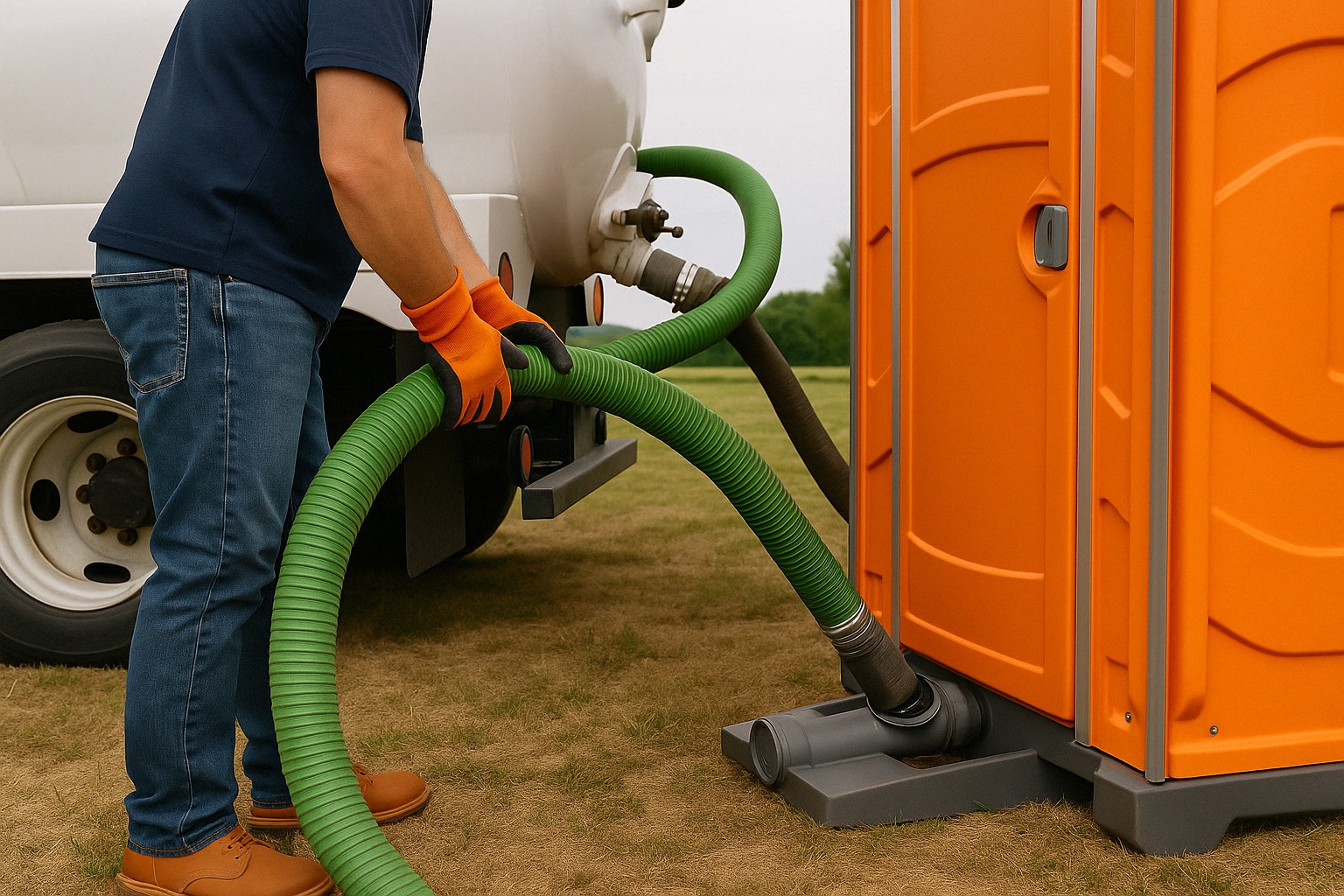
Waste is typically removed using a vacuum system:
-
A suction hose is connected to the holding tank
-
The vacuum pump extracts all liquid and solid waste
-
The tank is fully emptied before disconnecting
This method ensures efficient and contained waste removal.
Step 3: Transporting the Waste
After removal, waste is transported in sealed containers to an approved disposal facility. This step must follow strict health and environmental regulations to prevent contamination.
Step 4: Cleaning and Sanitizing the Unit
Once emptied, the unit is thoroughly cleaned:
-
Interior surfaces are rinsed and disinfected
-
High-touch areas are sanitized
-
Supplies such as toilet paper and sanitizer are restocked
-
Fresh deodorizing solution is added to the tank
This ensures the unit is ready for continued use.
Where Does Portable Toilet Waste Go?
Collected waste is disposed of at designated facilities, including:
1. Wastewater Treatment Plants
Most waste is processed at municipal treatment plants, where it undergoes filtration and treatment to remove harmful contaminants before water is safely returned to the environment.
2. Septic Systems
In rural areas, waste may be processed through septic systems, where natural bacterial activity breaks down materials before safe absorption into the soil.
3. Specialized Sanitation Facilities
Some providers use dedicated facilities designed specifically for portable sanitation waste, using advanced treatment methods to safely process materials.
4. Authorized Dump Stations
Certain RV parks and campgrounds provide approved dump stations for waste disposal. However, these are typically limited to smaller volumes.
Why Professional Waste Disposal Matters
Improper disposal can lead to serious consequences, including:
-
Environmental contamination
-
Health risks from bacteria and pathogens
-
Legal penalties for non-compliance
Professional sanitation providers follow strict procedures to ensure waste is handled safely and responsibly.
Best Practices for Portable Toilet Maintenance
To keep portable toilets clean and functional:
-
Schedule regular servicing to prevent overflow and odors
-
Use proper deodorizing and treatment solutions
-
Place units on stable, level ground
-
Keep units out of direct sunlight when possible
-
Provide hand hygiene options such as sanitizer or handwashing stations
Consistent maintenance helps ensure a clean and safe experience for users.
Final Thoughts
Portable toilet waste management requires specialized equipment, proper handling, and compliance with strict regulations. Whether used for construction, events, or temporary sites, sanitation is best managed by trained professionals.
Portable Sanitation Options
Common portable sanitation solutions include:
-
Standard portable toilets
-
Accessible portable toilets
-
Restroom trailers
-
Handwashing stations
Choosing the right setup and ensuring proper servicing helps maintain cleanliness, safety, and efficiency in any environment.