
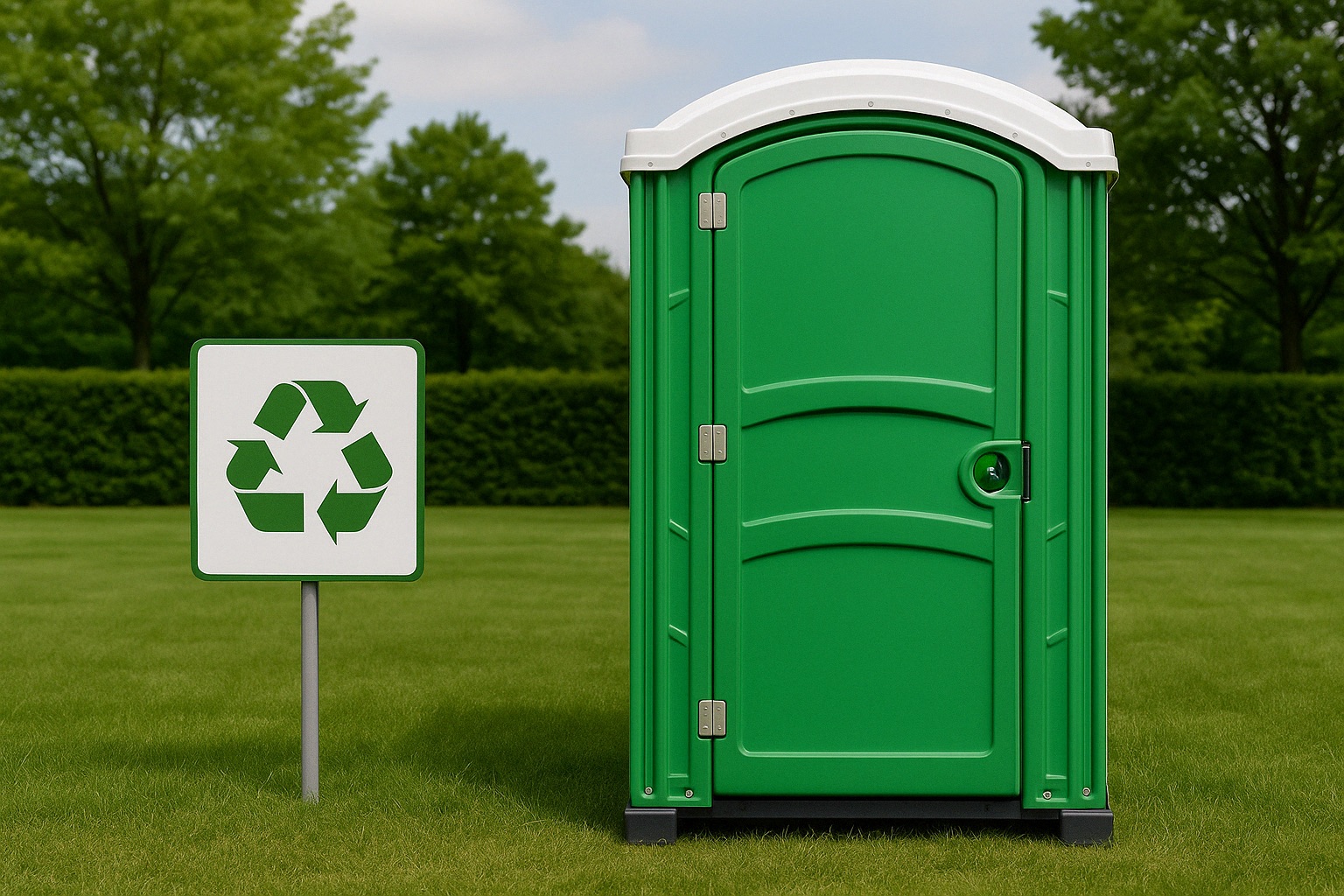
The Environmental Benefits of Portable Toilets
Portable toilets are more than just a convenience—they play a crucial role in environmental conservation. By reducing water consumption, promoting proper waste disposal, and minimizing pollution, portable restrooms offer a sustainable sanitation solution for events, construction sites, and outdoor gatherings.
As the demand for eco-friendly practices grows, portable toilets continue to prove they are a responsible choice for reducing environmental impact.
1. Water Conservation
One of the biggest environmental benefits of portable toilets is their ability to save water. Traditional flush toilets use an average of 1.6 gallons per flush, while portable toilets require little to no water.
How Portable Toilets Reduce Water Use:
-
Eliminate the need for flushing by using contained waste systems
-
Utilize low-water or recirculating flush systems in some units
-
Support water-efficient handwashing stations with controlled flow
These features significantly reduce overall water consumption.
2. Proper Waste Management
Improper waste disposal can lead to soil and water contamination, posing risks to both public health and the environment. Portable toilets help ensure waste is handled safely and responsibly.
Eco-Friendly Waste Handling:
-
Waste is transported to licensed treatment facilities
-
Sealed containment systems prevent leaks and spills
-
Regular servicing ensures proper removal and disposal
This controlled process helps protect natural ecosystems.
3. Reducing Pollution and Chemical Use
Modern portable sanitation solutions are moving toward environmentally friendly products and processes.
Sustainable Sanitation Practices:
-
Use of biodegradable deodorizers
-
Eco-friendly cleaning products that reduce chemical impact
-
Energy-efficient restroom trailers with reduced resource use
These improvements help minimize environmental harm while maintaining sanitation standards.
4. Lower Carbon Footprint
Portable toilets require fewer resources compared to permanent plumbing systems, making them a more energy-efficient solution.
How They Reduce Environmental Impact:
-
No need for extensive plumbing infrastructure
-
Reduced energy use for water transport and treatment
-
Efficient servicing that lowers fuel consumption
This contributes to a smaller overall carbon footprint.
5. Supporting Sustainable Events and Construction Practices
Portable restrooms play a key role in sustainable planning across industries.
Green Sanitation Solutions:
-
Composting toilet options for low-impact environments
-
Portable handwashing stations that conserve water
-
Durable units designed for long-term use
These solutions support environmentally responsible operations while maintaining hygiene and compliance.
Final Thoughts
Portable toilets provide a practical and sustainable approach to sanitation. By conserving water, ensuring proper waste management, and reducing environmental impact, they are an essential part of modern, eco-conscious planning.
Portable Sanitation Options
Common solutions include:
-
Standard portable toilets
-
Accessible portable toilets
-
Restroom trailers
-
Handwashing stations
Selecting the right setup helps create a clean, efficient, and environmentally responsible solution for any event or project.