
Construction work is demanding, often performed in tough conditions where comfort isn’t always guaranteed. However, proper sanitation can make a significant difference. Clean, accessible, and well-maintained portable toilets help improve hygiene, boost productivity, and support worker satisfaction.
With the right planning and setup, you can create a more efficient and comfortable work environment for your crew.
1. Why Portable Toilets Matter on Construction Sites
Portable toilets are more than just a basic necessity—they play a key role in keeping your worksite running smoothly.
Key Benefits:
-
Improves worker comfort and productivity
-
Supports proper hygiene and reduces health risks
-
Helps meet sanitation and safety requirements
-
Minimizes downtime by keeping facilities nearby
Providing clean and accessible restrooms shows respect for your crew and helps maintain a positive work environment.
2. Choose the Right Units for Your Site
Not all portable toilets are the same. Selecting the right type depends on your project size, duration, and workforce needs.
Common Options:
-
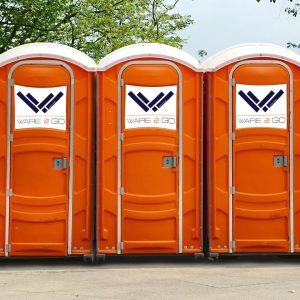
Standard portable toilets for everyday jobsite use
-
Restroom trailers for extended or higher-comfort needs
-
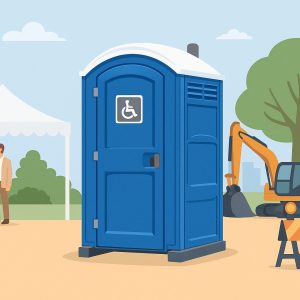
Accessible portable toilets for inclusivity
-
Handwashing stations to support hygiene
Choosing the right combination ensures both functionality and comfort.
3. Plan Placement Strategically
Where you place portable toilets can impact both efficiency and usability.
Placement Tips:
-
Position units close to work areas for convenience
-
Keep them slightly away from break or eating areas
-
Distribute units across large sites to reduce walking distance
Proper placement helps reduce downtime and improves overall workflow.
4. Prioritize Cleanliness and Maintenance
Clean facilities are essential for both hygiene and worker satisfaction.
Maintenance Essentials:
-
Regular cleaning and sanitization
-
Routine waste removal
-
Restocking of toilet paper and hygiene supplies
Consistent servicing keeps restrooms usable and prevents unpleasant conditions.
5. Match the Number of Units to Your Crew Size
Providing enough restrooms is critical to avoiding delays and maintaining comfort.
General Guideline:
-
One portable toilet per 10 workers over a 40-hour workweek
Larger crews or longer shifts may require additional units or more frequent servicing.
6. Encourage Proper Usage and Hygiene
Maintaining clean facilities is a shared responsibility.
Best Practices:
-
Inform workers where restrooms are located
-
Encourage regular handwashing
-
Keep surrounding areas clean and organized
Simple reminders can help maintain sanitation standards throughout the project.
7. Benefits of Long-Term Portable Toilet Rentals
For extended projects, long-term rentals offer added convenience and reliability.
Key Advantages:
-
Scheduled servicing and maintenance
-
Flexible adjustments based on project needs
-
Consistent cleanliness and supply restocking
A well-managed rental plan ensures sanitation remains one less thing to worry about.
8. Small Details That Make a Big Difference
Simple improvements can enhance comfort and usability.
Helpful Additions:
-
Place units in shaded areas during hot weather
-
Include hand sanitizer or wipes for added hygiene
-
Monitor usage to adjust servicing if needed
These small steps contribute to a better overall experience for your crew.
Final Thoughts
Portable toilets may not be the most visible part of a construction project, but they are one of the most important. They support hygiene, improve productivity, and help create a more comfortable and efficient worksite.
With proper planning, placement, and maintenance, sanitation becomes a seamless part of your operations.
Portable Sanitation Options
Common solutions include:
-
Standard portable toilets
-
Accessible portable toilets
-
Handwashing stations
-
Restroom trailers
Choosing the right setup ensures a clean, safe, and productive work environment.