Construction projects require careful planning, coordination, and efficiency—but one essential detail often overlooked is proper sanitation. Portable toilets may not be the most visible part of a jobsite, but they play a critical role in keeping operations running smoothly.
Providing the right number of restrooms helps maintain productivity, support hygiene, and ensure compliance with safety standards.
1. Why Portable Toilets Are Essential
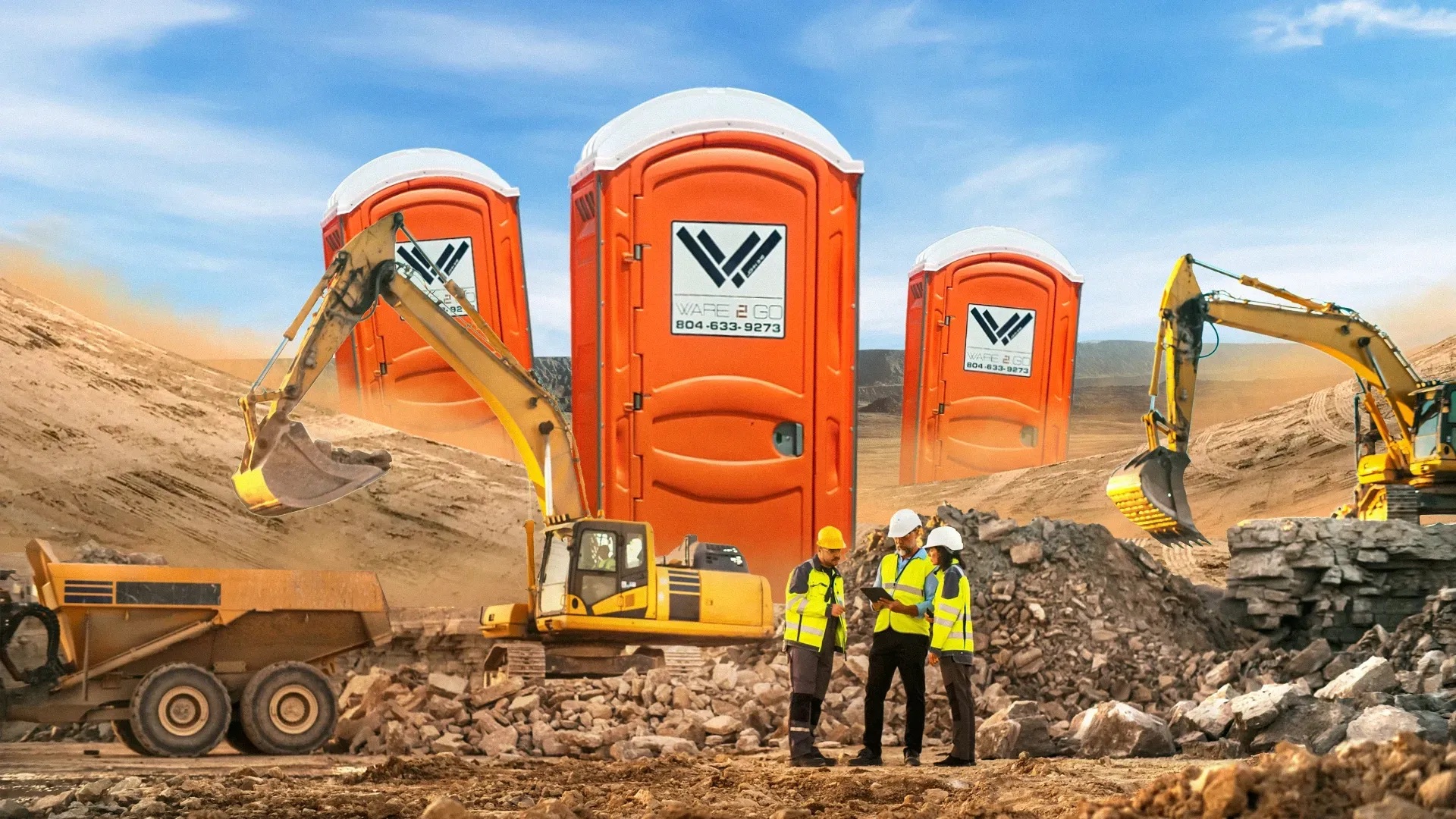
Portable toilets are more than just a convenience—they are a necessity for any construction site.
Key Benefits:
-
Keeps workers on-site and reduces downtime
-
Supports hygiene and overall health
-
Helps meet sanitation and safety requirements
-
Improves worker comfort and morale
Accessible restrooms allow crews to stay focused and efficient throughout the workday.
2. How Many Portable Toilets Do You Need?
The general guideline for construction sites is:
Standard Rule:
-
One portable toilet per 10–15 workers over a 40-hour workweek
This provides a baseline, but several factors may affect the total number of units required.
3. Factors That Affect Quantity
Crew Size
Larger teams require more units to prevent long wait times and maintain efficiency.
Work Hours
Extended shifts or multiple crews increase usage, requiring additional restrooms or more frequent servicing.
Project Duration
Long-term projects benefit from additional units and consistent maintenance to ensure cleanliness over time.
Site Layout
Large or spread-out sites may require multiple restroom locations to reduce walking distance and improve accessibility.
Weather Conditions
Hot weather often increases water intake, which can lead to higher restroom usage. Planning for seasonal changes helps maintain comfort.
4. Choosing the Right Portable Toilet Setup
Different worksites may require different types of sanitation solutions.
Common Options:
-
Standard portable toilets for daily use
-
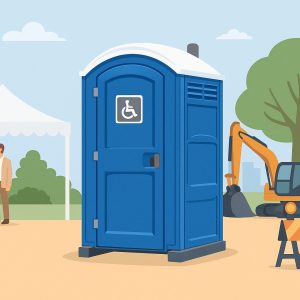
Accessible portable toilets for inclusivity
-
Handwashing stations for hygiene support
-
Restroom trailers for extended or high-demand projects
Selecting the right combination ensures both comfort and functionality.
5. Placement Matters
Proper placement improves efficiency and usability.
Placement Tips:
-
Position units close to work areas
-
Place them on stable, level ground
-
Distribute units across large sites
-
Keep them slightly away from eating or break areas
Strategic placement reduces downtime and improves overall workflow.
6. Maintenance Is Essential
Cleanliness directly impacts both hygiene and worker satisfaction.
Maintenance Includes:
-
Regular cleaning and sanitization
-
Waste removal and disposal
-
Restocking of toilet paper and hygiene supplies
Consistent servicing ensures restrooms remain clean, functional, and comfortable.
7. Example Setup
For a construction site with 30 workers:
-
Recommended starting point: 2–3 portable toilets
-
Adjust based on work hours, site size, and usage
-
Add handwashing stations for improved hygiene
Proper planning helps avoid shortages and keeps operations running smoothly.
Final Thoughts
Portable toilets are a vital part of any construction project. Providing the right number of units, placing them strategically, and maintaining them regularly helps support productivity, hygiene, and compliance.
With the right setup, sanitation becomes a seamless part of your jobsite—keeping your crew comfortable and your project on track.
Portable Sanitation Options
Common solutions include:
-
Standard portable toilets
-
Accessible portable toilets
-
Handwashing stations
-
Restroom trailers
Choosing the right setup ensures a clean, safe, and efficient work environment.