
If you live in a rural or suburban area, there is a good chance your home relies on a septic system to manage household wastewater. These systems are essential for maintaining sanitation and protecting the surrounding environment, but they also require regular maintenance and can involve significant repair or replacement costs.
A common question among homeowners is whether homeowners’ insurance covers septic system repairs or replacement.
The short answer is: it depends.
This article explains what homeowners’ insurance typically covers, what is usually excluded, and how homeowners can protect their septic system from unexpected expenses.
Understanding Septic Systems and Insurance Coverage
A septic system is a critical part of a property’s infrastructure. Most systems include:
-
A septic tank that separates solids and liquids
-
A drainfield or leach field that absorbs treated wastewater
-
Pipes, pumps, float switches, and sometimes alarm components
Because these components are buried and considered part of a home’s plumbing or infrastructure, insurance coverage can vary by policy and provider.
What Homeowners Insurance Typically Covers
Standard homeowners insurance policies generally cover sudden and accidental damage caused by specific, named perils. In limited situations, septic system damage may be covered if it results from a covered event, such as:
-
Sudden collapse of a septic tank caused by a covered peril
-
Damage from falling objects, fire, explosion, or vandalism
-
Certain types of freezing-related damage, depending on policy terms
In these cases, insurance may help pay for septic tank repair or system replacement, subject to deductibles and coverage limits.
What Homeowners Insurance Usually Excludes
Most insurance policies do not cover damage caused by wear, aging, improper use, or lack of maintenance. Common exclusions related to septic systems include:
-
Drainfield failure due to age, soil conditions, or saturation
-
Clogs caused by improper disposal of grease, wipes, or other materials
-
Root intrusion from nearby vegetation
-
System backups resulting from skipped pumping or inspections
-
Corrosion or material breakdown over time
Issues related to neglect or the natural lifespan of a septic system are typically the homeowner’s responsibility.
Optional Coverage Add-Ons
Some insurance providers offer optional endorsements, often called riders, that address risks not included in standard policies. One example is water or sewer backup coverage.
This type of endorsement may help cover damage inside the home caused by wastewater backing up through plumbing fixtures. However, it generally does not cover the cost of repairing or replacing the septic system itself—only the resulting interior damage.
Steps to Take if Septic Damage May Be Covered
If a homeowner believes septic damage may qualify for insurance coverage, the following steps are commonly recommended:
-
Stop water use immediately to prevent further damage
-
Document visible damage with photos and written notes
-
Obtain a professional septic system inspection and written assessment
-
Contact the insurance provider with documentation and reports
-
Keep records and receipts related to inspections or emergency services
Professional inspection reports are often necessary to support an insurance claim.
How to Protect a Septic System Investment
Because most septic failures are not covered by insurance, prevention is the most effective way to reduce risk and avoid costly repairs.
1. Schedule Routine Septic Tank Pumping
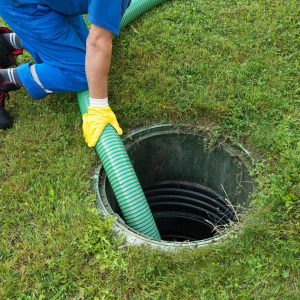
Regular pumping removes accumulated solids and helps protect the drainfield from overload. Pumping intervals typically range from three to five years, depending on usage and system size.
2. Invest in Regular Septic Inspections
Routine inspections help identify early warning signs such as rising sludge levels, mechanical issues, or drainage problems before they escalate into system failure.
3. Keep Heavy Equipment Off the Drainfield
Driving or parking vehicles over the drainfield can compact soil, damage pipes, and reduce wastewater absorption capacity.
4. Avoid Flushing Harmful Materials
Grease, wipes, hygiene products, and harsh chemicals can disrupt septic system function and contribute to clogs or long-term damage.
5. Install Monitoring or Alarm Systems
High-level alarms can alert homeowners to developing problems before backups or overflows occur, allowing for timely intervention.
Flooding and Septic System Damage
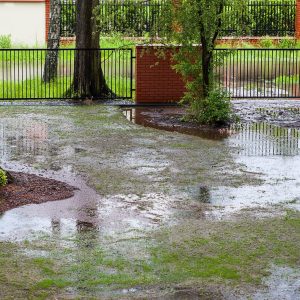
Flood-related damage to septic systems is generally excluded from standard homeowners’ insurance policies. In areas prone to high groundwater or heavy rainfall, homeowners may need to explore separate flood insurance options or system design upgrades.
Preventive measures such as proper grading, improved drainage, or alternative drainfield designs can help reduce flood-related septic risks.
Homeowners’ insurance may help with septic system damage in limited, specific situations, but most septic problems are not covered—especially those related to aging, wear, or insufficient maintenance.
Understanding policy limitations and focusing on proactive care are the most reliable ways to protect a septic system investment. Regular maintenance, inspections, and responsible system use help reduce risk and extend the life of the system.