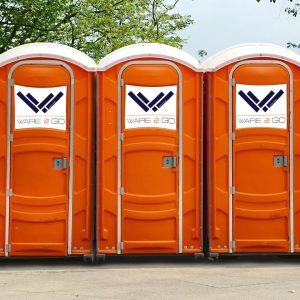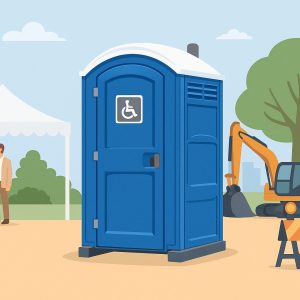

In the world of portable restrooms, convenience and cleanliness should not be considered a luxury—they should be standard. Modern portable sanitation continues to evolve through innovation, improved hygiene practices, and user-focused design.
Whether supporting construction sites, outdoor events, or emergency response efforts, portable restroom solutions today are more dependable, hygienic, and thoughtfully engineered than ever before.
Raising the Bar for Portable Sanitation
Portable restrooms have historically had a mixed reputation. However, advancements in design and maintenance have significantly improved both cleanliness and comfort.
Modern sanitation providers are moving beyond basic compliance, integrating improved cleaning processes, upgraded materials, and better service logistics. The goal is to enhance the user experience while maintaining high safety and environmental standards.
Commitment to Cleanliness and Hygiene
Cleanliness remains a core component of portable sanitation.
Units are typically inspected, cleaned, and sanitized before delivery. Features such as hand sanitizer dispensers, ventilation systems, and user-friendly interiors help maintain a hygienic environment.
Routine servicing includes:
-
Waste removal
-
Surface disinfection
-
Restocking of essential supplies
Consistent maintenance ensures that facilities remain clean, safe, and functional throughout use.
Advancements in Portable Sanitation Technology
Technology plays an increasingly important role in improving portable restroom performance and reliability.
Common advancements include:
-
Solar-powered lighting and ventilation for improved visibility and airflow
-
Low-chemical or optimized waste treatment systems to reduce environmental impact
-
Monitoring systems that track usage and signal when servicing is needed
These innovations help reduce service delays and maintain consistent functionality, particularly in high-traffic or long-term settings.
Eco-Friendly and Sustainable Solutions
Sustainability has become a key focus in portable sanitation.
Many modern units are designed to minimize environmental impact through:
-
Water-saving or waterless systems
-
Biodegradable cleaning agents
-
Materials that are recyclable or sustainably sourced
Responsible waste handling and disposal practices further support environmental goals by reducing landfill impact and promoting efficient resource use.
Service and Support Considerations
Effective portable sanitation goes beyond equipment—it also involves reliable service and coordination.
Key service elements often include:
-
Customized planning based on event or project requirements
-
Flexible scheduling for delivery, servicing, and removal
-
Ongoing support to address changes or unexpected needs
A structured approach to service helps ensure that facilities remain accessible, clean, and properly maintained.
Flexible Rental Options
Portable restroom solutions are designed to accommodate a wide range of needs.
Typical rental options include:
-
Short-term rentals for events or temporary use
-
Long-term rentals for construction or extended projects
-
Rapid deployment units for emergency situations
Flexibility allows adjustments in quantity and servicing based on changing conditions.
Supporting Large-Scale Events
High-attendance events require careful sanitation planning.
Effective setups often include:
-
A mix of standard and upgraded restroom units
-
Accessible facilities to accommodate all users
-
Strategic placement to reduce congestion and wait times
-
Optional on-site servicing to maintain cleanliness throughout the event
Proper planning ensures a smooth experience for attendees while maintaining hygiene standards.
Meeting Construction Site Needs
Construction environments require durable and reliable sanitation solutions.
Key considerations include:
-
Units built to withstand heavy use and varying weather conditions
-
Options with added features such as handwashing stations and lighting
-
Service schedules aligned with workforce size and working hours
Accessible on-site facilities help reduce downtime and support worker productivity.
Timely Delivery and Installation
Reliable scheduling is essential for both events and job sites.
Important factors include:
-
On-time delivery and setup
-
Placement based on accessibility and site layout
-
Ability to adapt quickly to changes in requirements
Efficient coordination ensures that sanitation facilities are ready when needed.
Safety and Compliance
Portable sanitation must meet established health and safety standards.
Units are typically maintained in accordance with:
-
Workplace safety guidelines
-
Local health and sanitation regulations
Regular inspections, cleaning, and servicing help ensure that facilities remain compliant, safe, and fully operational.
Conclusion
Portable sanitation has evolved into a reliable, efficient, and user-focused solution for a wide range of applications.
With improvements in hygiene, technology, sustainability, and service practices, modern portable restrooms provide a level of comfort and reliability that supports both small gatherings and large-scale operations.
By prioritizing cleanliness, proper planning, and consistent maintenance, portable sanitation can contribute significantly to overall user experience and operational success.