As the construction industry evolves, sustainable solutions have become a central focus. Modern construction sites are increasingly adopting eco-friendly practices, and sanitation is no exception. Implementing sustainable sanitation solutions not only minimizes environmental impact but also promotes health and efficiency on-site.
This article explores the importance of eco-friendly sanitation in construction and the innovative solutions shaping the industry.
The Importance of Eco-Friendly Sanitation in Construction
Construction sites are dynamic environments where maintaining hygiene is essential. Traditional sanitation methods often rely on chemical treatments and high water usage, which can create environmental concerns. Eco-friendly sanitation addresses these issues by reducing water consumption, using sustainable materials, and minimizing harmful chemicals.
These practices support broader environmental goals and align with evolving regulatory standards.
Innovative Eco-Friendly Sanitation Solutions
- Water-Saving Technologies
Modern portable toilets are designed to conserve water. Features such as low-flush systems and waterless designs significantly reduce water usage, making them well-suited for construction environments focused on sustainability. These solutions also help reduce operational costs.
- Sustainable Materials
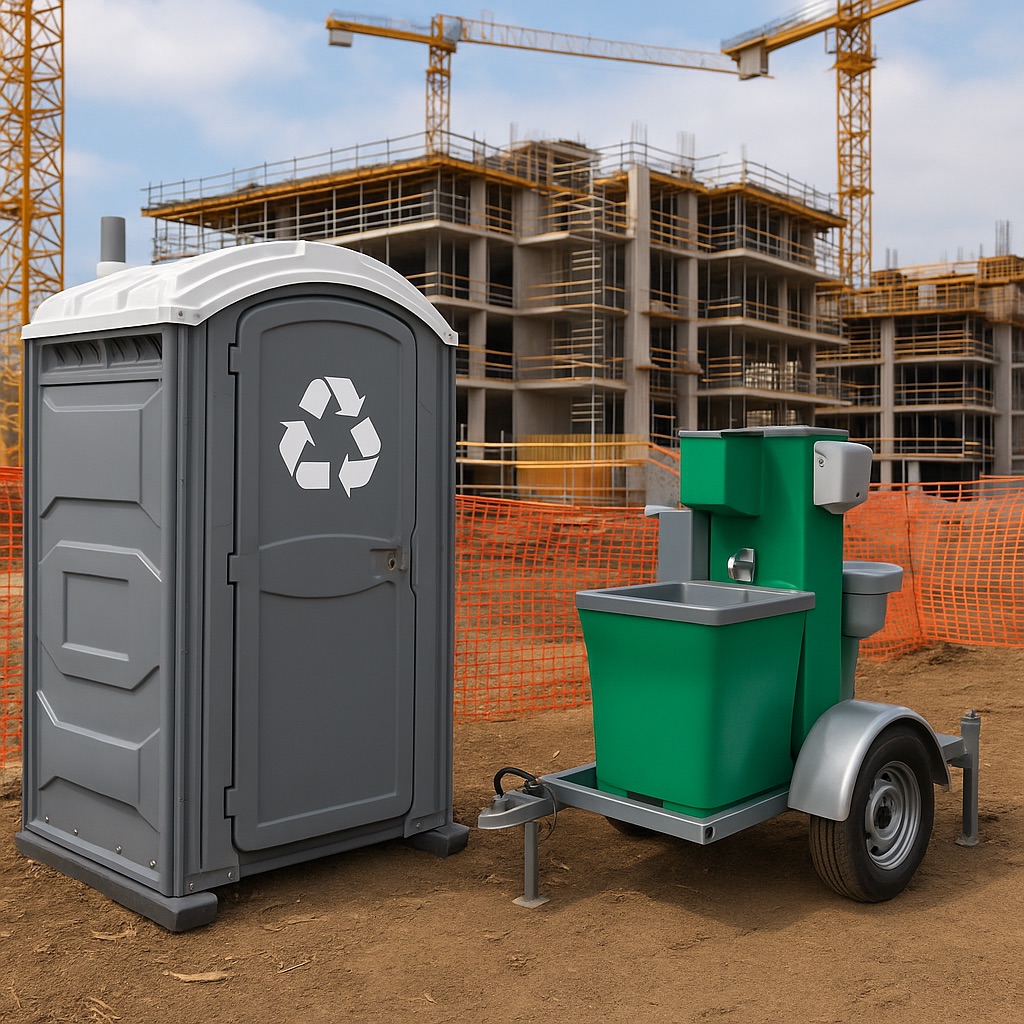
Many portable sanitation units are constructed from recycled or recyclable materials. This reduces the environmental impact of production and disposal. Durable designs also allow for extended use across multiple projects, minimizing overall waste.
- Biodegradable Chemicals
Eco-friendly sanitation systems often use biodegradable and less harmful treatment solutions. These alternatives effectively manage waste while reducing the impact on the surrounding environment.
Benefits of Eco-Friendly Sanitation on Construction Sites
- Reduced Environmental Impact
Sustainable sanitation practices help conserve water, reduce chemical use, and minimize waste. This contributes to a lower environmental footprint for construction projects.
- Regulatory Compliance
Environmental standards continue to evolve. Using eco-friendly sanitation solutions helps ensure compliance and reduces the risk of delays or penalties.
- Improved Worker Health and Productivity
Clean and well-maintained sanitation facilities support worker health. A hygienic environment can reduce illness and contribute to better productivity on-site.
- Positive Industry Perception
Adopting sustainable practices demonstrates environmental responsibility. This can strengthen relationships with clients and stakeholders and improve overall project perception.
Implementing Eco-Friendly Sanitation: Best Practices
- Assess Site Needs
Evaluate the number of workers, project duration, and site layout to determine appropriate sanitation requirements.
- Choose Appropriate Equipment
Select portable sanitation units that support sustainability goals, such as those with water-saving features and environmentally friendly materials.
- Work with Reliable Providers
Partner with providers that follow responsible sanitation practices, including proper maintenance and waste handling.
- Promote Proper Usage
Encourage workers to use sanitation facilities correctly and maintain cleanliness to support long-term effectiveness.
Conclusion
Eco-friendly sanitation solutions are an important part of modern construction practices. By reducing environmental impact and supporting worker well-being, these systems contribute to more efficient and responsible project management.
As sustainability continues to shape the construction industry, integrating environmentally conscious sanitation solutions will remain a key component of successful project planning.
Portable Sanitation Options
Common eco-friendly sanitation solutions include:
- Standard portable toilets
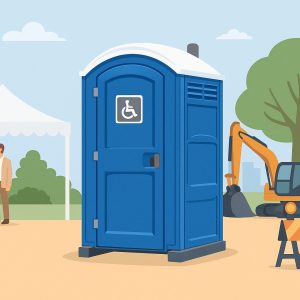
- Accessible portable toilets
- Restroom trailers
- Handwashing stations
Selecting the right combination depends on project size, workforce needs, and site conditions.