Rainy weather can place additional stress on septic systems. Heavy rainfall may lead to septic tank backups, which can result in slow drainage, unpleasant odors, or wastewater surfacing on the property. Understanding why this occurs and how to reduce the risk can help protect both the system and the surrounding environment.
This guide explains why septic systems may back up during periods of heavy rain, warning signs to monitor, and practical steps to reduce the likelihood of rain-related failures.
Why Septic Systems Can Back Up During Heavy Rain
Septic systems rely on the drainfield to absorb and filter wastewater. During extended or intense rainfall, the surrounding soil can become saturated. When this happens, the soil has limited capacity to absorb additional liquid.
As a result:
-
Wastewater cannot move efficiently through the drainfield
-
Effluent may back up into household plumbing
-
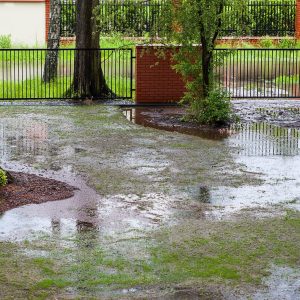
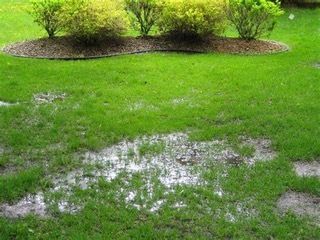
Sewage may surface near the septic tank or drainfield
This issue is most common in areas with poor drainage, compacted soil, or older drainfield designs.
Warning Signs of Septic Stress During Rain
The following symptoms may indicate that a septic system is struggling during wet conditions:
-
Slow-draining fixtures: Sinks, showers, or toilets draining more slowly than normal
-
Foul odors: Sewage smells indoors or outdoors
-
Pooling water: Wet or spongy areas near the drainfield or septic tank
-
Gurgling sounds: Air trapped in plumbing lines during drainage
These signs suggest the system may be overwhelmed and should be evaluated.
Steps to Reduce the Risk of Rain-Related Backups
Several preventative measures can help minimize septic system issues during heavy rainfall.
1. Redirect Surface Water
Ensure that roof runoff, downspouts, and landscaping direct rainwater away from the septic tank and drainfield. Reducing surface water infiltration helps prevent soil oversaturation.
2. Maintain Regular Pumping Schedules
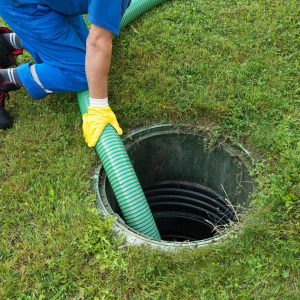
Routine septic tank pumping reduces the volume of solids and liquids in the system, providing more capacity during wet conditions. Pumping frequency varies by household size and system design but is typically recommended every three to five years.
3. Inspect and Maintain the Drainfield
Compacted soil, clogged lines, or damaged components reduce the drainfield’s ability to absorb wastewater. Periodic inspections can identify issues before they lead to backups.
4. Improve Groundwater Diversion
In some cases, installing subsurface drainage solutions can help redirect groundwater away from the drainfield, reducing saturation during prolonged rainfall.
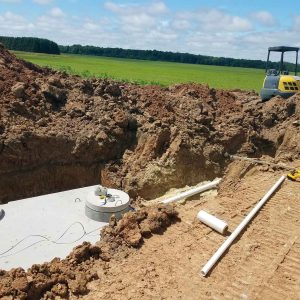
5. Consider Drainfield Modifications or Upgrades
Older or undersized drainfields may not handle increased water volumes effectively. System upgrades or alternative designs may improve performance in wet conditions.
6. Install an Effluent Filter
Effluent filters help prevent solids from leaving the septic tank and entering the drainfield. Keeping solids out of the drainfield reduces clogging and improves system resilience during periods of heavy use or rainfall.
7. Reduce Water Usage During Wet Periods
Limiting household water use during and immediately after heavy rainfall can give the drainfield time to recover. Delaying laundry, dishwashing, and long showers can reduce system strain.
When Professional Evaluation Is Needed
Persistent backups during rainy conditions may indicate underlying system design or drainage issues. Professional assessment is recommended if symptoms continue despite basic preventative measures. Early intervention can prevent more extensive system damage and reduce long-term repair costs.
Preventing Rain-Related Septic Issues
Proactive maintenance and drainage management are key to reducing septic system problems during wet weather. Understanding system limitations, monitoring warning signs, and maintaining proper drainage can help ensure reliable operation throughout the year.
A septic system that is properly maintained and protected from excess water is better equipped to handle seasonal rainfall without failure.