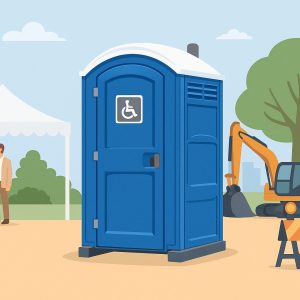

Construction sites are dynamic environments, filled with workers, machinery, and constant activity. Amidst all this movement, one critical element is often overlooked: proper sanitation. Portable toilets are not just a convenience—they are a necessity for maintaining a safe, efficient, and compliant worksite.
Providing clean and accessible sanitation facilities supports worker well-being, improves productivity, and ensures adherence to health and safety standards.
Why Sanitation Matters on Construction Sites
Construction work is physically demanding and often performed outdoors in varying conditions. Workers need reliable access to clean restroom facilities to maintain comfort and health throughout the day.
Without proper sanitation, issues can arise such as reduced productivity, poor hygiene, and increased health risks. Providing portable toilets helps create a more efficient and safer work environment.
Health and Safety Requirements
Workplace regulations require employers to provide sanitary and accessible restroom facilities for employees. The number of required units typically depends on workforce size.
Failure to meet these standards can lead to penalties and increased risks to worker health. Ensuring proper sanitation is not only a best practice—it is a requirement.
Supporting Worker Health and Hygiene
Sanitation plays a vital role in preventing illness and maintaining overall worker health.
Construction workers often face:
-
Long hours in physically demanding conditions
-
Exposure to dirt, dust, and contaminants
-
Increased risk of dehydration and fatigue
Access to clean portable toilets allows workers to take necessary breaks without compromising hygiene. This reduces the spread of illness and contributes to a healthier workforce.
Improving Productivity
Portable toilets directly impact productivity on construction sites.
When workers must leave the site to find restroom facilities, valuable time is lost. On-site sanitation minimizes disruptions, allowing workers to quickly return to their tasks.
This efficiency helps keep projects on schedule and reduces downtime.
Environmental Considerations
Modern portable toilets are designed with sustainability in mind.
Many units feature:
-
Reduced water usage
-
Eco-friendly materials
-
Waterless or low-flush systems
-
Solar-powered components
These options help lower environmental impact while supporting responsible site management practices.
Types of Portable Toilets for Construction Sites
Different types of portable toilets are available to meet the needs of various job sites:
Standard Portable Toilets
Basic, durable units designed for high-traffic use.
Flushable Portable Toilets
Provide added comfort with flushing mechanisms and handwashing features.
Solar-Powered Units
Energy-efficient options with lighting and ventilation powered by solar energy.
Accessible Units
Larger units designed to accommodate individuals with mobility needs.
Maintenance and Servicing
Providing portable toilets is only part of the solution—regular maintenance is essential.
Typical maintenance includes:
-
Cleaning and sanitizing units
-
Restocking supplies
-
Waste removal
Servicing is often scheduled weekly but may need to be more frequent depending on usage and workforce size.
Boosting Employee Morale
Access to clean and well-maintained facilities can significantly impact worker morale.
When workers feel their basic needs are met, they are more likely to:
-
Stay focused
-
Remain productive
-
Maintain a positive attitude
Providing proper sanitation demonstrates respect for worker well-being and contributes to a better work environment.
Considerations for Large Construction Projects
Larger construction sites require additional planning for sanitation.
Key considerations include:
-
Increasing the number of units based on workforce size
-
Distributing units across the site for easy access
-
Considering upgraded options for long-term projects
For extended projects, higher-capacity or more comfortable facilities may improve overall site conditions.
Enhancing Site Safety
Portable toilets also contribute to site safety.
When workers leave the site to find restrooms, they may encounter hazards outside controlled work areas. Keeping facilities on-site helps reduce unnecessary movement and keeps workers within a safer environment.
Cost-Effectiveness
Portable toilets are a practical and cost-effective solution.
Benefits include:
-
Avoiding the cost of permanent restroom installation
-
Reducing downtime and productivity loss
-
Supporting compliance with regulations
Investing in proper sanitation can help prevent delays and reduce long-term costs.
Conclusion
Portable toilets are an essential component of any construction site. They support worker health, improve productivity, and ensure compliance with safety standards.
By providing adequate facilities, maintaining them properly, and planning based on workforce needs, construction sites can operate more efficiently and safely.
Sanitation is not just a requirement—it is a key factor in creating a well-functioning and productive work environment.