Septic system problems can escalate quickly from minor inconvenience to serious health and property concerns. Issues such as slow drains, sewage backups, or foul odors can indicate system failure and require prompt attention. Septic emergencies are disruptive, unsanitary, and can become costly if not addressed in a timely manner.
Understanding the warning signs, common causes, and appropriate response steps can help minimize damage and reduce repair costs.
Signs That Emergency Septic Service May Be Needed
Not all septic issues require immediate action, but certain conditions indicate a high risk of system failure and should be addressed promptly.
Sewage Backups Indoors
Wastewater backing up through sinks, bathtubs, or toilets is a serious issue. This may indicate a full septic tank, a blockage in the system, or drainfield failure. Sewage exposure poses health risks and requires immediate professional evaluation.
Strong Sewage Odors
A properly functioning septic system should not produce noticeable odors. Persistent sewage smells indoors or outdoors may indicate an overfilled tank, system leaks, or inadequate wastewater treatment in the drainfield.
Multiple Slow Drains
When slow drainage occurs throughout the home rather than at a single fixture, it may signal a system-wide problem such as excessive sludge buildup or a major obstruction.
Standing Water Near the System
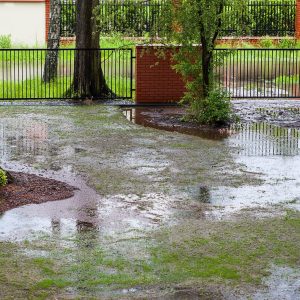
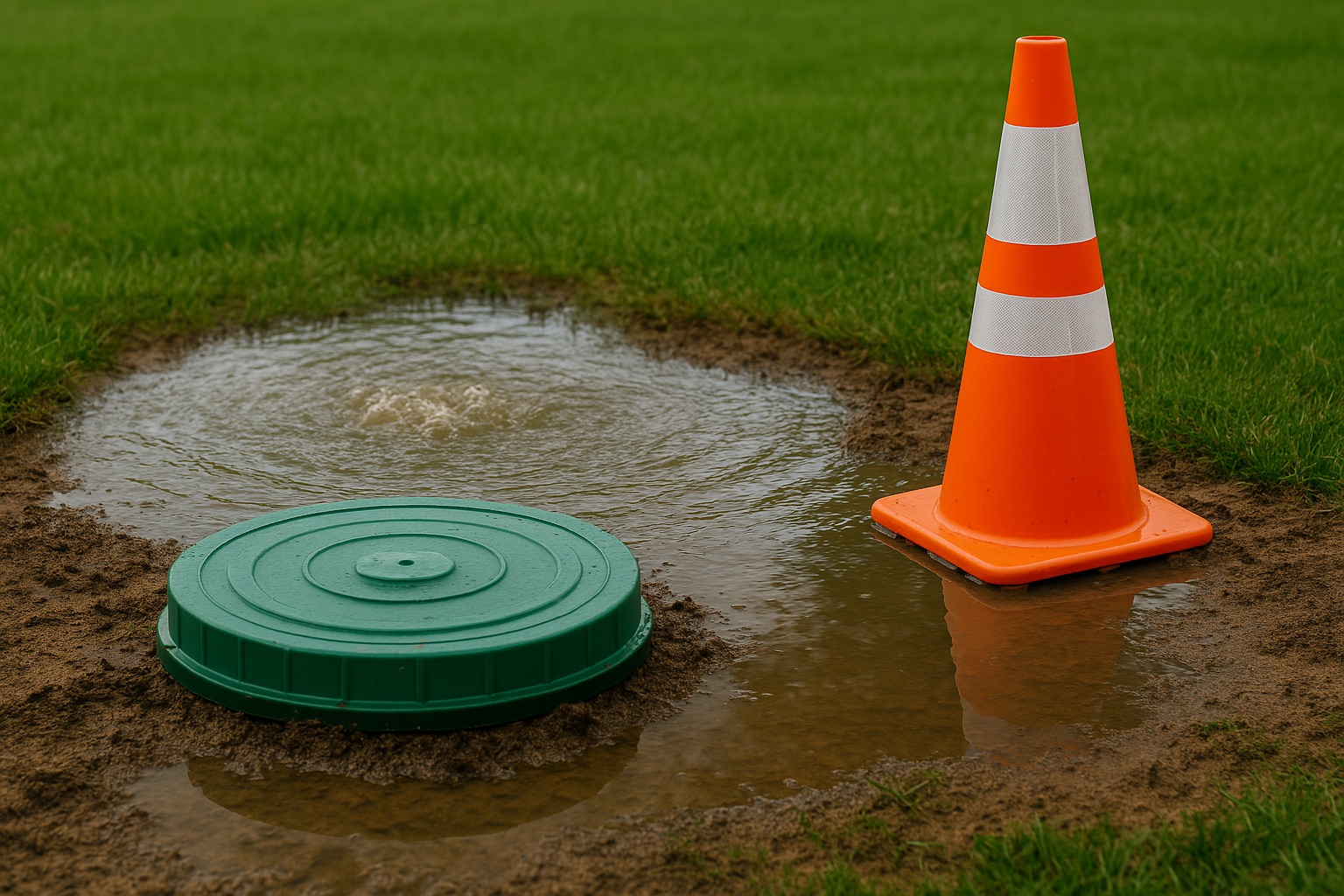
Pooling water or consistently soggy ground near the septic tank or drainfield may indicate system overflow, pipe leakage, or drainfield saturation. These conditions can contaminate soil and groundwater.
Gurgling Sounds in Plumbing
Unusual gurgling noises when water is used may indicate trapped air caused by restricted wastewater flow. This can be an early warning sign of a developing backup.
Common Causes of Septic System Emergencies
Septic system failures often result from a combination of system age, usage habits, and lack of routine maintenance.
Infrequent Pumping
Septic tanks require periodic pumping to remove accumulated solids. When pumping is delayed, solids can overflow into the drainfield, leading to clogs and system failure.
Excessive Water Use
High volumes of water introduced in a short time can overwhelm the system. This may prevent solids from settling properly and push untreated wastewater into the drainfield.
Improper Waste Disposal
Septic systems are designed to handle wastewater and toilet paper only. Items such as wipes, hygiene products, grease, food waste, and certain additives can cause blockages and disrupt system function.
Root Intrusion
Tree and shrub roots may infiltrate septic pipes or drainfield components in search of moisture. Root intrusion can cause cracks, blockages, and structural damage.
Drainfield Failure
Compacted soil, clogged lines, or saturated conditions in the drainfield prevent proper wastewater absorption. When the drainfield fails, wastewater has nowhere to go and may surface or back up into the home.
What to Do During a Septic Emergency
Stop Water Use
Immediately reduce or stop water use to prevent further stress on the system. This includes toilets, sinks, showers, and appliances.
Observe and Document Symptoms
Note any visible signs such as odors, pooling water, or backups. This information can assist professionals in diagnosing the issue more efficiently.
Avoid DIY Repairs
Septic systems require specialized tools and training. Attempting repairs without proper expertise may worsen the problem and pose health risks.
Seek Professional Assistance
Prompt evaluation by a qualified septic professional is essential to prevent additional damage and restore safe operation.
How Emergency Septic Issues Are Typically Addressed
Professional septic services may include:
-
Emergency response and system evaluation
-
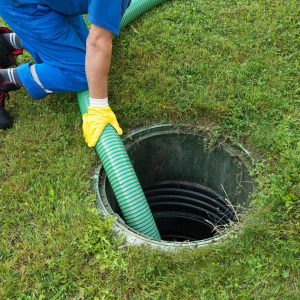
Septic tank pumping to relieve system overload
-
Removal of blockages in pipes or components
-
Repair or replacement of damaged drainfield sections
-
Inspection of tanks, pipes, and distribution systems
The appropriate solution depends on the cause and severity of the problem.
Preventing Future Septic Emergencies
Preventative maintenance is the most effective way to reduce the risk of septic system failure. Key practices include:
-
Following recommended pumping schedules
-
Limiting excessive water usage
-
Avoiding non-septic-safe materials
-
Protecting the drainfield from compaction and root intrusion
-
Scheduling periodic inspections
Early detection and routine care can significantly extend system lifespan and reduce the likelihood of emergency repairs.