Owning a home with a septic system comes with specific responsibilities, with proper maintenance being one of the most important. While a well-maintained septic system can function reliably for decades, improper care can lead to costly repairs or premature system replacement. This guide outlines essential practices to avoid when caring for a septic system and explains how common mistakes can impact system performance.
Whether you are a new homeowner or refining an existing maintenance routine, understanding these risks can help keep your septic system operating efficiently.
The Role of Proper Septic System Care
A properly functioning septic system treats household wastewater quietly and efficiently while protecting both the property and the surrounding environment. Even small mistakes, however, can disrupt system operations.
Responsible septic system care involves understanding system limitations, scheduling routine inspections and pump-outs, and avoiding activities that strain or damage system components. Neglecting these responsibilities increases the likelihood of clogs, backups, and system failure.
Most septic systems require inspections and pumping at intervals based on household size, system capacity, and usage. Homeowners should also remain mindful of what enters the system through toilets and drains.
Common Septic System Mistakes to Avoid
1. Flushing or Draining Improper Materials
Septic systems are designed to handle wastewater and toilet paper only. Introducing non-biodegradable or slow-degrading materials can clog pipes and disrupt the natural bacterial balance within the tank.
Materials that should never be flushed or drained include:
- Disposable wipes, including those labeled as flushable
- Feminine hygiene products
- Paper towels and tissues
- Cooking grease and oils
These materials do not break down effectively and can accumulate over time, reducing system efficiency.
2. Using Harsh Chemicals or Cleaners
Strong chemical cleaners, disinfectants, and drain treatments can damage the beneficial bacteria responsible for breaking down waste inside the septic tank. Disrupting this bacterial balance can impair system function.
To reduce risk:
- Use biodegradable or septic-safe cleaning products
- Limit the use of disinfectants and chemical drain cleaners
- Consider non-chemical cleaning alternatives when possible
Reducing chemical use also helps protect groundwater quality.
3. Neglecting Routine Maintenance
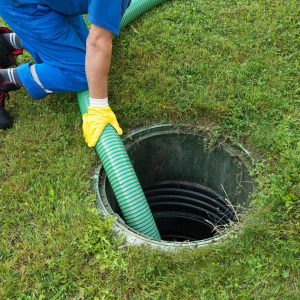
Skipping routine septic maintenance is one of the most common causes of system failure. Solid waste accumulates naturally and must be removed to prevent overflow and drainfield contamination.
Warning signs that maintenance may be overdue include:
- Persistent odors near drains or outdoors
- Slow-draining plumbing fixtures
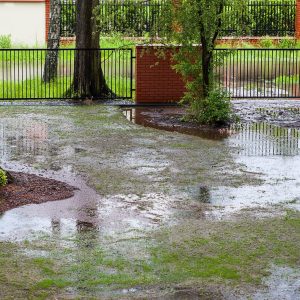
- Standing water near the drainfield
Regular inspections and scheduled pumping help identify problems early and prevent costly repairs.
4. Overloading the System with Excessive Water
Every septic system is designed to process a limited volume of wastewater per day. Excessive water use can overwhelm the system and push solids into the drainfield.
To avoid overloading:
- Spread laundry use over multiple days
- Repair leaking faucets and toilets promptly
- Use water-efficient fixtures and appliances
Managing water usage supports stable system performance.
5. Disturbing the Drainfield Area
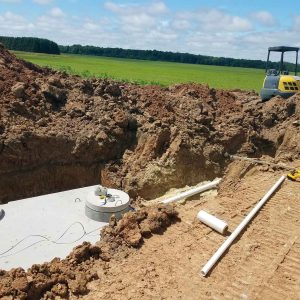
The drainfield is essential for filtering and dispersing wastewater and must remain undisturbed to function properly.
Activities to avoid over the drainfield include:
- Planting trees or deep-rooted shrubs
- Constructing patios, sheds, or driveways
- Parking vehicles or placing heavy equipment
These actions can compact soil, damage pipes, and interfere with wastewater absorption.
6. Delaying Professional Evaluation
While some septic care practices can be managed by homeowners, certain issues require professional assessment. Ignoring early warning signs can allow minor problems to escalate into major system failures.
Professional evaluation is recommended if there are:
- Persistent or unexplained odors
- Gurgling sounds in plumbing fixtures
- Repeated slow drainage or backups
- Evidence of leaks or standing water
Prompt assessment helps reduce repair costs and prevent environmental contamination.
Maintaining Long-Term Septic System Performance
Avoiding these common mistakes helps extend septic system lifespan and reliability. Responsible usage, routine maintenance, and early response to warning signs are essential to protecting system components.
A septic system is a critical part of a property’s infrastructure. Consistent care and informed decision-making support safe wastewater treatment, environmental protection, and long-term system performance.