Environmentally Friendly Septic Solutions
Septic systems play a critical role in managing wastewater for homes located outside of municipal sewer networks. While traditional septic systems have been widely used for decades, they often fall short when it comes to long-term environmental protection—especially in areas with challenging soil conditions.
Environmentally friendly septic solutions offer modern alternatives designed to improve treatment efficiency, reduce environmental impact, and extend system lifespan.
Why Sustainable Septic Systems Matter
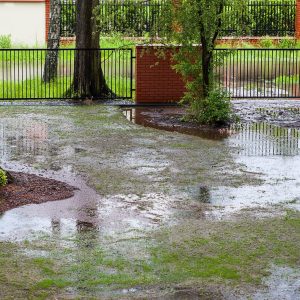
Older or poorly maintained septic systems can release untreated wastewater into surrounding soil and groundwater. These failures pose risks to water quality, public health, and nearby ecosystems.
Common environmental concerns associated with traditional systems include:
-
Nutrient runoff entering groundwater and surface water
-
Drainfield saturation and premature system failure
-
Inefficient water and energy use
-
Increased maintenance and repair frequency
Sustainable septic system designs address these challenges through improved treatment methods and smarter wastewater dispersal.
Types of Environmentally Friendly Septic Solutions
1. Aerobic Treatment Units (ATUs)
Aerobic treatment units enhance wastewater treatment by introducing oxygen into the system, which supports beneficial bacteria that break down waste more efficiently.
Key benefits include:
-
Higher-quality treated effluent
-
Reduced strain on drainfield soils
-
Suitability for sensitive environmental areas
2. Constructed Wetlands
Constructed wetlands use engineered soil layers and vegetation to naturally filter and treat wastewater. These systems mimic natural wetland processes and offer a low-energy treatment option.
Advantages include:
-
Minimal mechanical components
-
Natural integration with the surrounding landscape
-
Effective nutrient and pathogen reduction
3. Drip Distribution Systems
Drip distribution systems deliver treated wastewater slowly and evenly through subsurface tubing. Controlled dosing allows the soil adequate time to absorb effluent without becoming oversaturated.
Benefits include:
-
Reduced risk of surface pooling or backups
-
Compatibility with shallow or clay-heavy soils
-
Extended drainfield lifespan
4. Natural Biofilter Systems
Biofilters made from renewable materials such as peat moss or coconut fiber help trap bacteria and reduce nutrient levels in wastewater before it reaches the soil.
Why biofilters are effective:
-
Renewable and biodegradable materials
-
Low maintenance requirements
-
Enhanced protection for drainfield soils
5. Composting and Waterless Toilets
Composting toilets and waterless systems significantly reduce or eliminate wastewater generation. These systems are well suited for properties seeking minimal environmental impact or reduced water usage.
Features include:
-
Little to no water consumption
-
Conversion of waste into usable compost
-
Reduced load on septic drainfields
Environmental Benefits of Sustainable Septic Systems
Adopting environmentally friendly septic solutions provides both immediate and long-term benefits, including:
-
Improved groundwater and surface water quality
-
Healthier soil conditions
-
Reduced nutrient pollution
-
Lower energy and water consumption
-
Increased system durability and longevity
These systems are particularly valuable in environmentally sensitive areas or locations with challenging soil conditions.
Septic System Inspections, Upgrades, and Replacement
Sustainable septic solutions are often introduced during inspections, system upgrades, or full replacements. Evaluations can determine whether an existing system can be improved or if a complete redesign is the most reliable option.
Modern septic technologies can be incorporated into new installations or retrofitted into existing systems, depending on site conditions and regulatory requirements.
Environmentally friendly septic solutions represent a practical and responsible approach to onsite wastewater treatment. Rather than relying on outdated designs, modern systems prioritize efficiency, environmental protection, and long-term reliability.
By choosing septic systems engineered for actual site conditions, homeowners can protect natural resources, reduce maintenance challenges, and ensure dependable wastewater treatment for years to come.