Septic systems play an important role in managing household wastewater for properties that are not connected to municipal sewer systems. When properly designed and maintained, septic systems can be an effective and environmentally responsible solution. However, failing or poorly maintained systems can pose risks to soil, groundwater, and nearby water sources. Understanding the environmental impact of septic systems helps homeowners make informed decisions about maintenance and system care.
How Septic Systems Affect the Environment
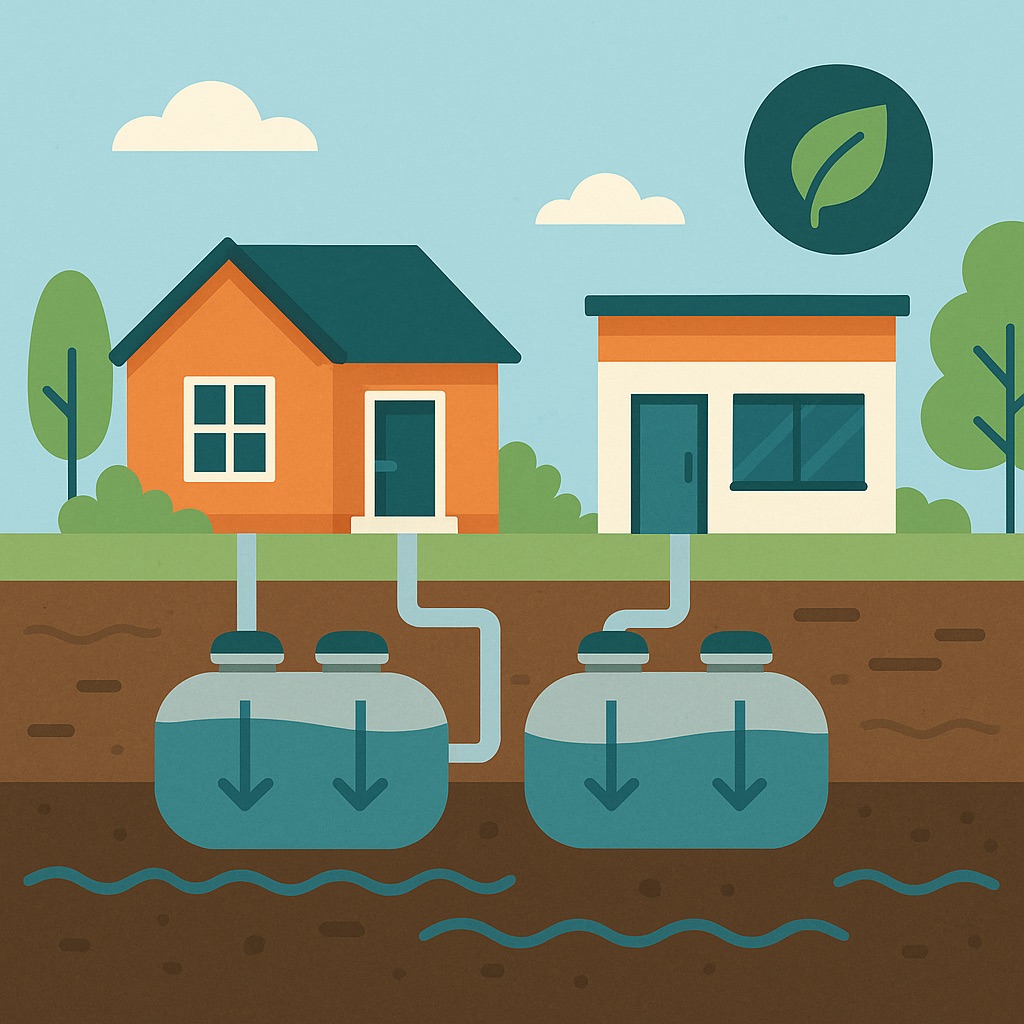
A septic system typically consists of a septic tank and a drainfield that work together to treat and disperse wastewater. When functioning as intended, these systems remove many contaminants before water returns to the environment. Problems arise when systems are undersized, aging, or not properly maintained.
Groundwater Contamination
One of the primary environmental concerns associated with septic systems is groundwater contamination. If a septic tank is not pumped on schedule or the drainfield is failing, untreated or partially treated wastewater may migrate into groundwater.
Common contaminants associated with septic system failures include:
-
Nitrates and nitrites, which can affect drinking water quality and pose health risks
-
Bacteria and viruses, which may contaminate wells and groundwater supplies
-
Phosphorus, which can contribute to nutrient pollution in nearby water bodies
Surface Water Pollution
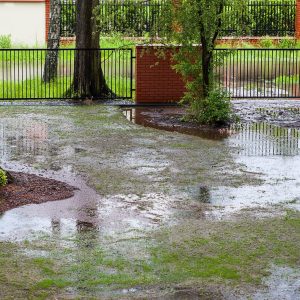
When septic systems fail or overflow, wastewater can enter streams, lakes, and rivers. This can increase nutrient levels in surface waters, leading to ecological imbalance.
Potential impacts include:
-
Algae blooms, which reduce oxygen levels and harm aquatic life
-
Eutrophication, where excess nutrients disrupt aquatic ecosystems
-
Public health concerns, particularly when contaminated water is used for recreation or consumption
Soil Contamination
A malfunctioning drainfield can release wastewater directly into surrounding soil. Over time, excessive exposure can reduce the soil’s natural ability to filter contaminants, affecting plant growth and soil stability.
Impacts on Wildlife and Ecosystems
Environmental contamination from septic system failures can affect wildlife and natural ecosystems. Elevated nutrient levels and harmful bacteria may result in:
-
Reduced oxygen levels in water bodies
-
Illness or poisoning in animals that rely on contaminated water sources
-
Disruption of native plant and animal populations
How to Reduce the Environmental Impact of Septic Systems
With proper maintenance and responsible use, homeowners can significantly reduce the environmental risks associated with septic systems.
Regular Septic System Maintenance
Routine maintenance is one of the most effective ways to protect the environment. Best practices include:
-
Scheduling regular septic system inspections
-
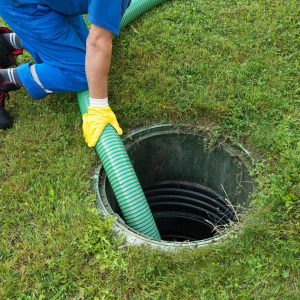
Pumping the septic tank at recommended intervals
-
Monitoring drainfield performance for signs of saturation or failure
Use Environmentally Responsible Household Products
Certain household products can interfere with the biological processes that allow septic systems to function properly. To support system performance:
-
Use septic-safe or biodegradable cleaning products
-
Avoid excessive use of harsh chemicals
-
Limit antibacterial products that may disrupt beneficial bacteria
Conserve Water
Excess water can overwhelm a septic system and reduce treatment effectiveness. Water conservation measures include:
-
Repairing leaks promptly
-
Installing water-efficient fixtures and appliances
-
Spacing out high-water-use activities such as laundry
Protect the Drainfield
The drainfield plays a critical role in wastewater treatment and should be protected by:
-
Keeping heavy vehicles and equipment off the drainfield area
-
Avoiding deep-rooted vegetation near system components
-
Redirecting surface water away from the drainfield
Consider Alternative Septic System Designs
In areas with poor soil conditions, high water tables, or environmental sensitivity, alternative septic system designs may be more appropriate. These systems are engineered to provide enhanced treatment and reduce environmental impact.
Examples include:
-
Aerobic treatment systems
-
Raised or mound systems
-
Drip distribution systems
The Role of Professional Septic Services
Professional septic services support environmental protection by ensuring systems are properly designed, installed, and maintained. These services may include inspections, routine pumping, drainfield evaluation, and system repairs to address issues before they result in environmental harm.
Summary
Septic systems can be both effective and environmentally responsible when properly managed. Regular maintenance, responsible water use, protection of the drainfield, and appropriate system design all contribute to reducing environmental impact. By understanding how septic systems interact with soil and water, homeowners can take proactive steps to protect both their property and the surrounding environment.