
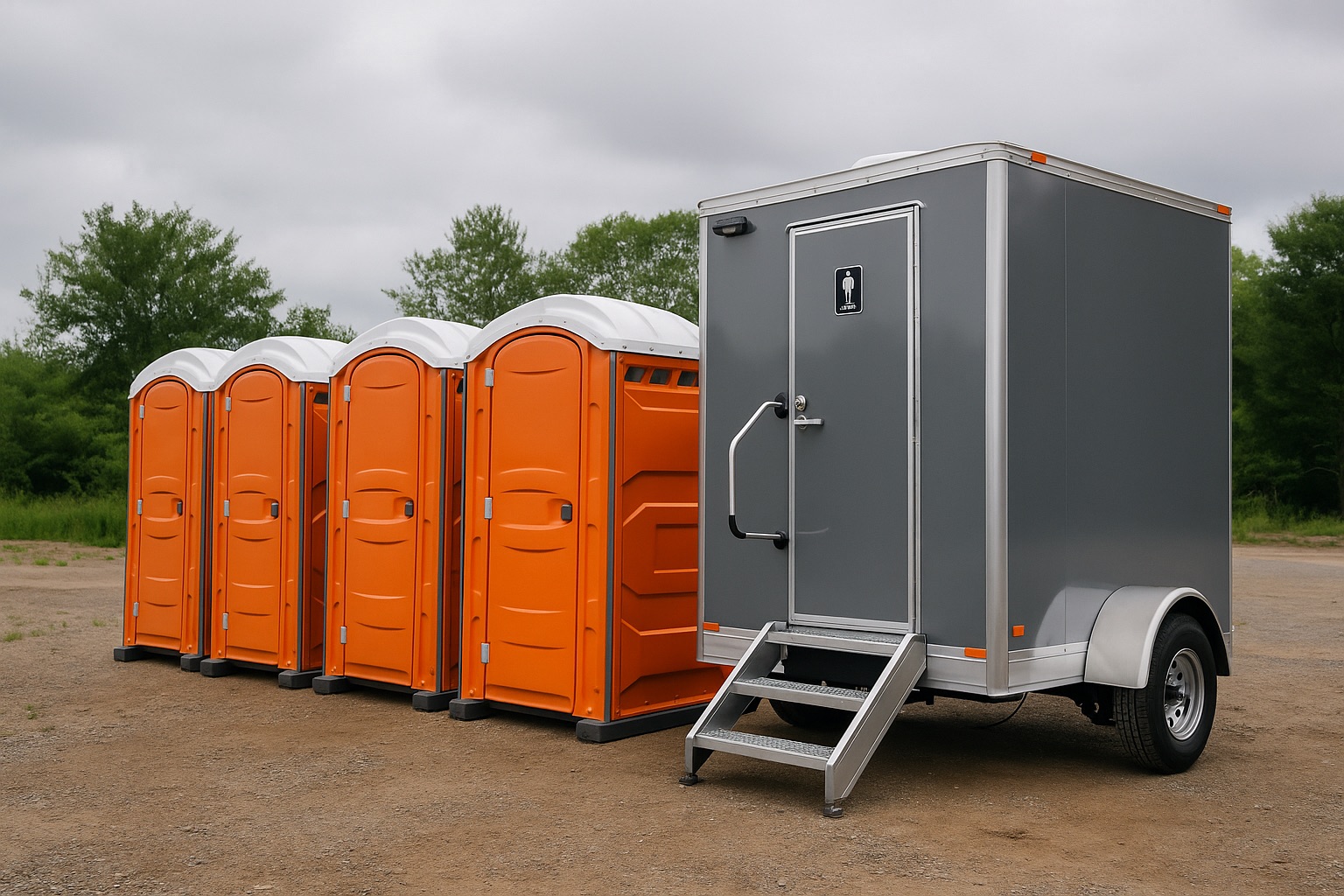
In the face of escalating climate change and an increase in natural disasters, the demand for effective emergency sanitation services has never been greater. One critical yet often overlooked component of disaster planning and recovery is portable sanitation. From hurricanes and floods to wildfires and public health crises, portable sanitation ensures that displaced communities and first responders have access to clean, safe, and reliable restroom facilities.
This article explores the essential role that portable toilets, accessible units, restroom trailers, and handwashing stations play in emergency response efforts. It also highlights how these solutions contribute to public health, sustainability, and resilience in vulnerable communities.
The Role of Portable Sanitation in Emergency Response
Immediate Deployment and Accessibility
When disaster strikes, rapid response is essential. One of the key advantages of portable sanitation is its ability to be deployed quickly. Units arrive ready for use and can be installed in a wide range of environments, including urban areas, rural locations, and temporary shelters.
This flexibility makes portable sanitation ideal for situations where infrastructure has been damaged or is unavailable. Emergency response teams often rely on these systems to support displaced populations and relief workers in shelters, distribution centers, and mobile clinics.
Disease Prevention and Public Health
Natural disasters often disrupt water and sanitation systems, increasing the risk of waterborne illnesses such as cholera, dysentery, and hepatitis A. Maintaining access to sanitation facilities is essential for preventing the spread of disease.
Portable toilets, when paired with handwashing stations, support proper hygiene and safe waste disposal. These systems use sealed containment and controlled servicing processes to reduce contamination risks and protect public health.
Inclusive Planning
Emergency sanitation planning must consider the needs of all individuals. Accessible portable toilets are designed to accommodate people with mobility challenges, as well as elderly individuals and families who may require additional space.
Features such as ground-level entry, wider interiors, and support rails help ensure that sanitation facilities remain usable and dignified for everyone during a crisis.
Portable Sanitation and Climate Resilience
Addressing the Climate Crisis
Climate change continues to increase the frequency and severity of extreme weather events. Portable sanitation plays a role in improving resilience by providing adaptable solutions in rapidly changing conditions.
During extreme weather or recovery periods, these systems support communities when traditional infrastructure is unavailable. They are especially useful in temporary housing or relocation scenarios where immediate sanitation access is needed.
Sustainable Sanitation Practices
Many modern portable sanitation systems are designed with sustainability in mind. Features may include reduced water usage, environmentally safer treatment solutions, and energy-efficient components.
These approaches support environmentally responsible practices and reduce the overall impact of temporary sanitation systems.
Supporting Vulnerable Communities
Communities most affected by climate-related events often face challenges in restoring infrastructure quickly. Portable sanitation provides a temporary but essential solution, helping maintain basic living conditions while long-term repairs are underway.
By offering immediate access to sanitation, these systems help communities remain stable during recovery periods.
Case Examples of Portable Sanitation in Emergency Situations
Hurricane Response
During large-scale flooding events, portable sanitation systems have been deployed to support emergency shelters and relief operations. These systems provide essential hygiene facilities and help prevent the spread of illness among displaced populations.
Public Health Emergencies
During widespread health crises, portable sanitation has supported outdoor medical facilities and temporary service locations. Restroom trailers and handwashing stations have been used to maintain hygiene standards for both workers and the public.
Wildfire Response
In wildfire-affected regions, portable sanitation has been used to support evacuation centers and emergency response teams. When infrastructure is compromised, these systems help ensure continuity of essential services.
Conclusion
Portable sanitation is a critical component of emergency response and disaster recovery. By supporting hygiene, preventing disease, and providing flexible solutions in challenging environments, portable toilets and related systems play an important role in protecting public health.
As communities continue to adapt to the impacts of climate change, integrating portable sanitation into emergency planning will remain essential. These systems provide a reliable and scalable solution for maintaining safety and dignity during times of crisis.
Portable Sanitation Options
Common emergency sanitation solutions include:
-
Standard portable toilets
-
Accessible portable toilets
-
Restroom trailers
-
Handwashing stations
Selecting the appropriate combination depends on the scale of the situation and the needs of the affected population.