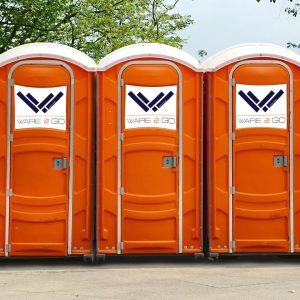
From busy construction sites to outdoor festivals and disaster relief zones, one essential unit keeps operations running smoothly: the portable toilet. These structures—whether standard units, accessible restrooms, or luxury trailers—play a critical role in maintaining sanitation, supporting compliance, and providing comfort in areas without traditional plumbing.
If you’ve ever wondered how portable restrooms manage waste, control odors, and stay clean without being connected to a sewer system, this guide explains how they work and why they are essential in a wide range of settings.
What Are Portable Restrooms?
Portable restrooms, also known as porta-potties or mobile toilets, are self-contained sanitation units designed for locations where traditional plumbing is unavailable.
They are built for portability, durability, and ease of use. Whether basic or high-end, their purpose is the same: to provide a clean and functional restroom solution wherever needed.
Common types include:
-
Standard portable toilets: Basic, efficient units often used on construction sites and large events
-
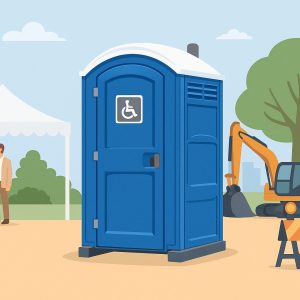
Accessible portable toilets: Larger units designed for inclusivity and ease of use
-
Luxury restroom trailers: Equipped with features such as running water, lighting, mirrors, and climate control for upscale events
How Portable Restrooms Work
Portable restrooms rely on a combination of gravity, chemical treatment, and ventilation to function without plumbing.
The Holding Tank
Beneath the toilet seat is a sealed holding tank that:
-
Collects and stores waste
-
Prevents leaks and contamination
-
Limits exposure to sunlight to reduce odor and bacterial growth
These tanks are designed to handle multiple uses before requiring servicing.
Chemical Treatment
The liquid inside the tank contains specialized treatment chemicals that:
-
Break down waste
-
Neutralize odors
-
Control bacterial growth
Modern formulations are often more environmentally friendly while remaining effective.
Ventilation System
Ventilation is essential for maintaining air quality inside the unit. Most portable restrooms include:
-
Vent pipes to direct odors outside
-
Passive airflow systems to improve circulation
-
Sealed interiors to contain odors
Together, these features help maintain a more comfortable environment even during frequent use.
Types of Portable Restrooms
Different situations require different restroom solutions.
Waterless Portable Toilets
These are the most common and cost-effective option.
How they work: Waste drops directly into the holding tank and is treated with chemicals. No flushing system is required.
Best for: Construction sites, short-term events, and high-traffic areas.
Flushable Units
These provide an upgraded experience with flushing mechanisms and improved hygiene features.
Best for: Weddings, corporate events, and mid-range gatherings.
Luxury Restroom Trailers
These units offer a full restroom experience with:
-
Flushing toilets
-
Running water
-
Climate control
-
Interior lighting and mirrors
Best for: High-end events and VIP settings.
Hygiene and Maintenance
Proper maintenance is key to keeping portable restrooms clean and sanitary.
Built-In Hygiene Features
Modern units often include:
-
Hand sanitizer dispensers
-
Soap and paper towels
-
Hands-free washing systems
Regular Servicing
Routine servicing typically involves:
-
Pumping and cleaning the holding tank
-
Replacing chemical treatments
-
Sanitizing interior surfaces
-
Restocking supplies
The frequency of servicing depends on usage but is essential for maintaining cleanliness.
Environmental Considerations
Portable restrooms can be more environmentally efficient than traditional systems.
-
They use little to no water compared to standard toilets
-
Many use biodegradable or low-impact chemicals
-
Waste is processed at regulated treatment facilities
These factors help reduce water usage and environmental impact.
Where Portable Restrooms Are Used
Portable restrooms are used in a wide variety of settings:
Construction Sites
They provide essential sanitation for workers and help meet safety requirements.
Outdoor Events
Festivals, weddings, and public gatherings rely on portable restrooms to accommodate large crowds.
Emergency Situations
During disasters or infrastructure disruptions, portable restrooms support hygiene and public health.
Choosing the Right Portable Restroom
Selecting the right unit depends on several factors:
-
Location: Remote site or formal event
-
Number of users: Daily usage and peak demand
-
Duration: Short-term or long-term use
-
Accessibility needs: Inclusion of accessible units
Proper planning ensures sufficient capacity and a better overall experience.
Common Misconceptions
Portable restrooms are often misunderstood. Modern units are:
-
Well-ventilated
-
Regularly maintained
-
Equipped with odor-control systems
-
Available in clean and upgraded designs
With proper servicing, they can provide a comfortable and hygienic experience.
Conclusion
Portable restrooms are an essential part of modern event planning and job site management. Through thoughtful design and regular maintenance, they provide reliable sanitation in places where traditional facilities are not available.
While they may not be the most noticeable feature of an event or project, they play a critical role in ensuring comfort, cleanliness, and efficiency.