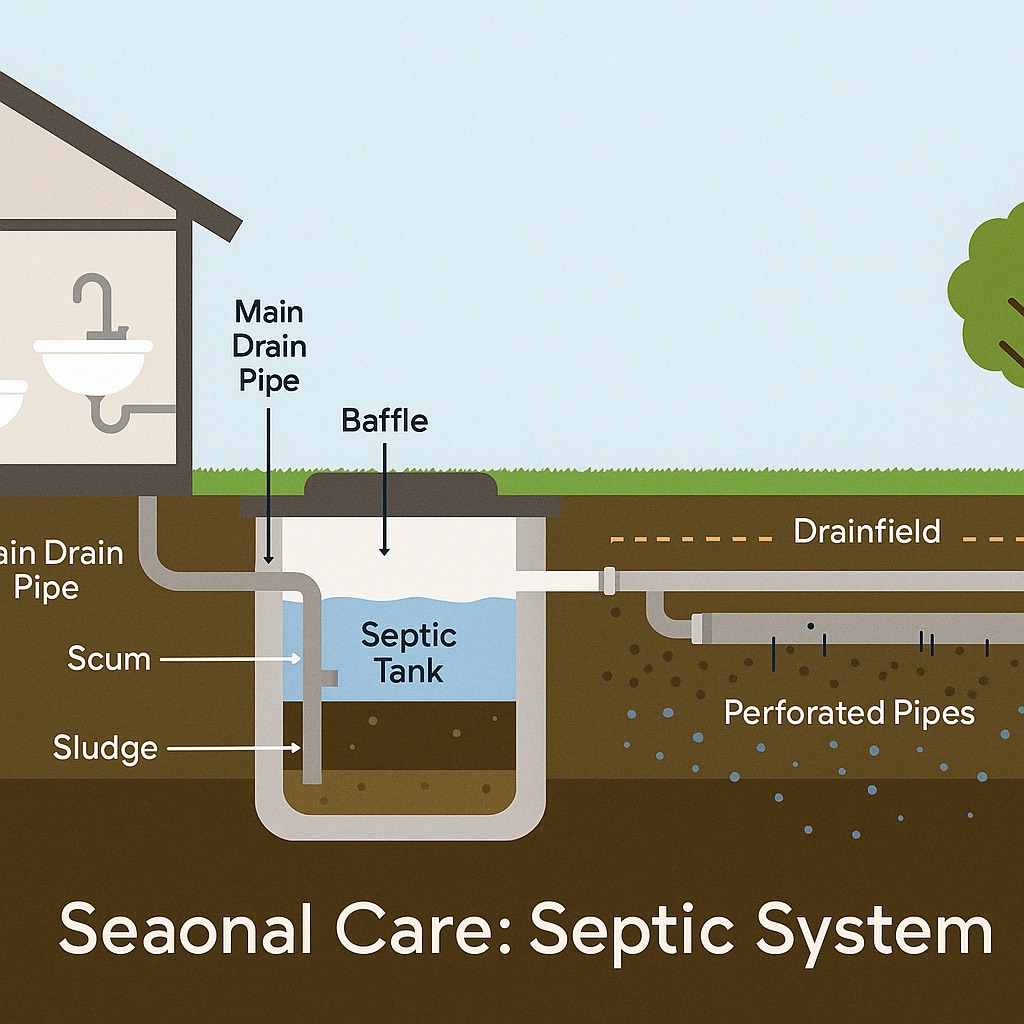
If a property is not connected to a municipal sewer system, a septic system serves as the primary method for treating and disposing of wastewater. Understanding how a septic system works and how to maintain it properly can help prevent backups, system damage, and costly repairs.
This guide explains the basic components of a septic system, how each part functions, and the maintenance practices that help extend system lifespan and reliability.
What Is a Septic System?
A septic system is an underground wastewater treatment system commonly used in rural and suburban areas without access to centralized sewer infrastructure. It relies on natural processes and mechanical components to treat wastewater from household plumbing.
A Standard Septic System Includes:
-
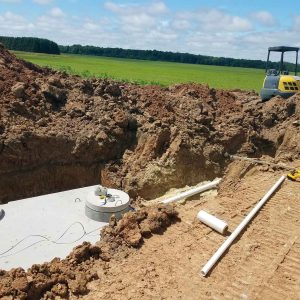
Septic Tank – Collects wastewater and allows solids to settle and begin decomposition
-
Leach Field (Drainfield) – A network of pipes that disperses treated wastewater into the soil
-
Soil and Beneficial Bacteria – Provide natural filtration and contaminant reduction
-
Pipes and Distribution Components – Direct wastewater from the tank to the drainfield
Each component works together to ensure wastewater is treated and safely reintroduced into the environment.
Step-by-Step: How a Septic System Works
1. Wastewater Enters the Septic Tank
Water from toilets, sinks, showers, and appliances flows into the septic tank. The tank holds wastewater long enough for solids and liquids to separate.
2. Waste Separation Inside the Tank
Inside the tank, wastewater separates into three layers:
-
Scum Layer – Oils, grease, and lighter materials float to the surface
-
Effluent Layer – Partially treated liquid remains in the middle
-
Sludge Layer – Heavier solids settle at the bottom
Bacteria in the tank break down organic material, but solids gradually accumulate and must be removed through periodic pumping.
3. Effluent Moves to the Drainfield
The liquid effluent exits the tank and flows into the drainfield. Perforated pipes distribute the effluent through gravel or similar media, allowing it to slowly seep into the surrounding soil.
4. Soil Provides Final Treatment
As wastewater moves through the soil, natural filtration and microbial activity remove remaining contaminants. Proper soil conditions are critical. If soil becomes compacted or clogged, wastewater may surface or back up into the system.
Why Understanding a Septic System Matters
A septic system often goes unnoticed until problems arise. Understanding how it operates allows property owners to:
-
Recognize early warning signs of failure
-
Avoid habits that harm system performance
-
Schedule maintenance at appropriate intervals
-
Reduce the risk of costly repairs or system replacement
Common Types of Septic Systems
While conventional septic systems are most common, some properties use alternative designs due to soil conditions, space limitations, or regulatory requirements.
Common alternatives include:
-
Aerobic Treatment Units (ATUs) – Use oxygen to enhance waste breakdown
-
Mound Systems – Utilize an above-ground sand mound for treatment
-
Drip Distribution Systems – Apply low-pressure wastewater distribution over a wider area
Knowing which type of system is installed is important for proper maintenance.
Septic System Maintenance Essentials
Proper maintenance is critical to long-term system performance.
Routine Pumping
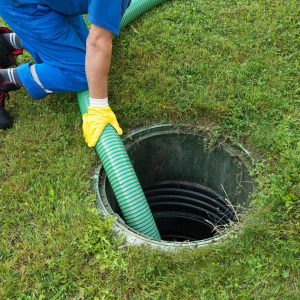
Most septic tanks require pumping every three to five years to remove accumulated solids and prevent drainfield contamination.
Regular Inspections
Periodic inspections help identify issues such as damaged baffles, clogged filters, or early drainfield problems before they escalate.
Mindful Waste Disposal
Protect the system by avoiding:
-
Grease, fats, and oils
-
Non-flushable wipes or hygiene products
-
Excessive chemical cleaners
-
Large volumes of water in short periods
Drainfield Protection
The drainfield should remain unobstructed and undisturbed. Best practices include:
-
Keeping vehicles and heavy equipment off the area
-
Avoiding permanent structures over system components
-
Preventing root intrusion from trees and shrubs
-
Redirecting surface water away from the field
Signs of Septic System Problems
Common warning signs include:
-
Slow-draining fixtures or gurgling sounds
-
Persistent odors indoors or outdoors
-
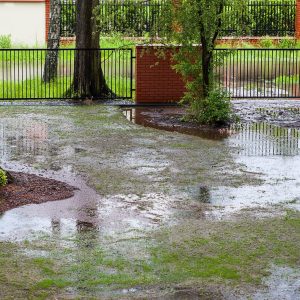
Wet areas or unusually lush vegetation above the drainfield
-
Plumbing backups
Early response to these indicators can prevent system failure.
Why Ongoing Maintenance Is Important
Routine septic care helps:
-
Reduce long-term repair costs
-
Protect structures and landscaping
-
Preserve groundwater and surface water quality
-
Maintain compliance with local health requirements
Neglecting maintenance increases the likelihood of system failure and environmental contamination.
DIY Practices and Professional Support
Property owners can support system health through responsible water use and waste disposal. However, inspections, pumping, repairs, and system evaluations should be performed by qualified professionals to ensure accuracy and safety.
A septic system is a critical infrastructure component for properties without sewer access. Understanding how the system works, recognizing warning signs, and following proper maintenance practices can significantly extend system life and reduce environmental risk. Consistent care helps ensure reliable wastewater treatment and long-term system performance.