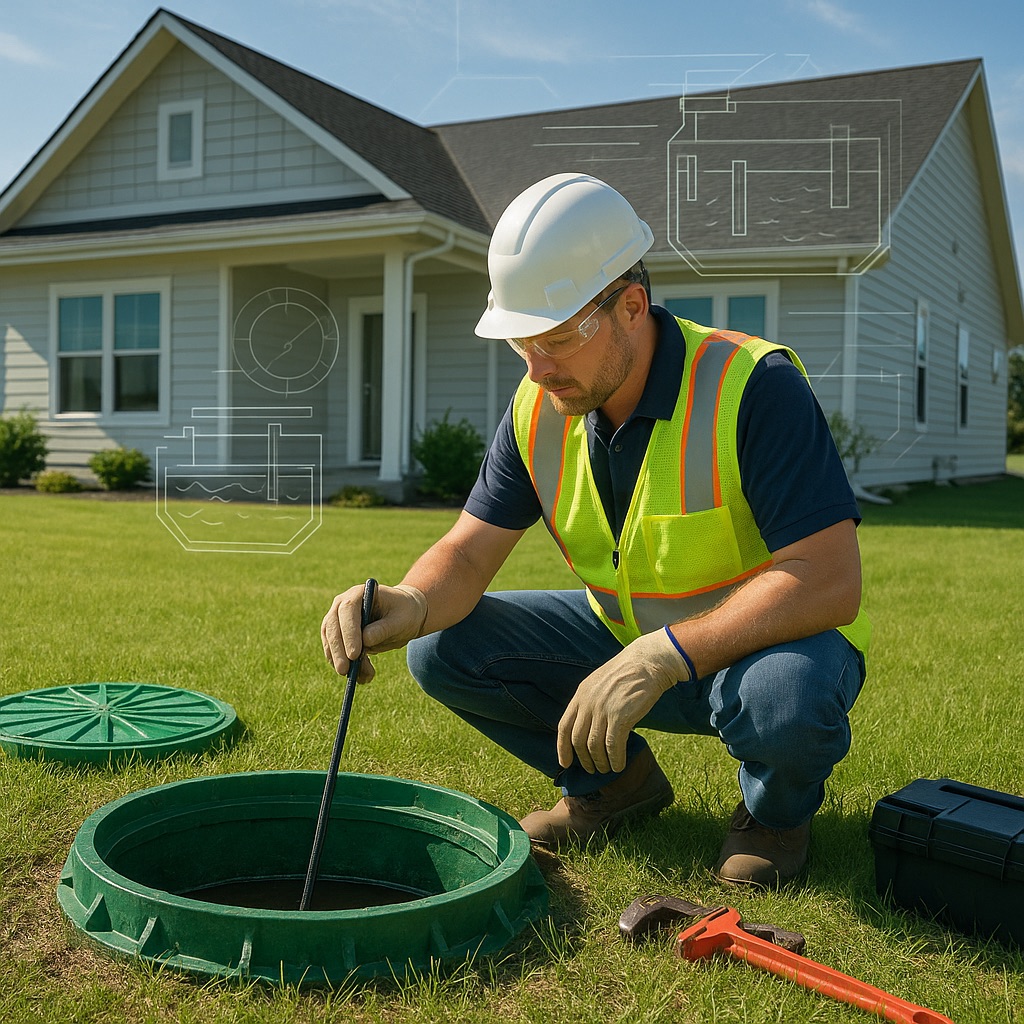
What Does a Septic Inspection Involve?
A septic system is an essential component of homes and businesses that are not connected to a municipal sewer system. Regular inspections help ensure your system is functioning correctly and can prevent costly septic drainfield repairs. But what does a septic inspection involve? In this guide, we’ll walk you through the septic inspection process, why it’s important, and how to maintain your system for long-term efficiency.
What Is a Septic System Inspection?
A septic system inspection is a thorough evaluation of your septic system’s condition, including the septic tank, drainfield, and other critical components. Inspections are often required when buying or selling a home, obtaining a permit for repairs, or as part of routine maintenance to prevent septic drainfield failures.
There are two main types of septic system inspections:
Visual Inspection – A basic check that includes examining records, testing water flow, and checking for visible issues such as slow drainage or standing water near the drainfield.
Full Inspection – A comprehensive evaluation that may involve septic tank pumping, measuring sludge levels, inspecting pipes, and checking the drainfield for signs of damage or failure.
Why Are Septic System Inspections Important?
Regular septic inspections are crucial for several reasons:
-
Prevent Costly Septic Drainfield Repairs – Identifying small issues early can prevent expensive septic system repairs or drainfield replacement.
-
Ensure Proper Functionality – A well-maintained septic system operates efficiently, reducing the risk of backups and overflows.
-
Protect the Environment – A failing septic system can contaminate groundwater and nearby water sources.
-
Comply With Local Regulations – Some counties and states require periodic inspections for health and safety compliance. In Virginia, yearly septic drainfield inspections and septic pumping every 3–5 years with recordation are required.
How Is a Septic System Inspection Performed?
A professional septic inspector follows a step-by-step process to evaluate the system thoroughly. Here’s what you can expect during a full septic inspection:
1. Reviewing Septic System Records
Before the physical inspection begins, the inspector will review records related to your septic system, including past maintenance logs, installation details, and previous inspection reports. This helps identify any history of repairs or potential concerns.
2. Septic Tank Inspection
The septic tank is one of the most critical components of the system. The inspector will:
-
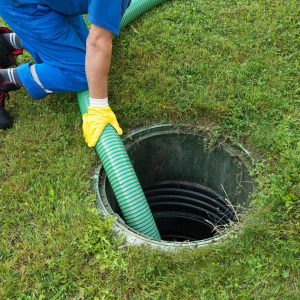
Open the access lid to check water levels
-
Measure sludge and scum layers to determine if pumping is needed
-
Check for leaks, cracks, or structural deterioration
-
Inspect inlet and outlet baffles for proper function
3. Testing Water Flow and Drainage
The inspector will run water through the system to test performance. This may include:
-
Flushing toilets and running sinks
-
Observing wastewater movement through the system
-
Checking for slow drainage, backups, or gurgling sounds
4. Drainfield Inspection
The drainfield (also called the absorption or leach field) is where treated wastewater filters into the soil. The inspector will:
-
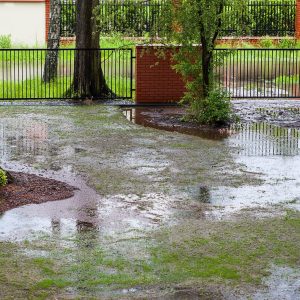
Walk the drainfield to look for standing water, odors, or overly lush grass
-
Use a soil probe to check for saturation
-
Evaluate whether solids have entered the drainfield and restricted absorption
5. Inspecting the Distribution Box and Pipes
The distribution box controls how wastewater flows into drainfield lines. The inspector will:
-
Check for blockages, settling, or damage
-
Inspect pipes for corrosion, leaks, or root intrusion
-
Confirm even distribution across the drainfield
6. Checking for Contamination Risks
The inspection also evaluates whether the system poses a risk to nearby water sources. The inspector may:
-
Assess groundwater conditions near the drainfield
-
Evaluate distance from wells or surface water
-
Recommend improvements if contamination risks are present
How Often Should You Have a Septic Inspection?
Inspection frequency depends on household size, system age, and local requirements. General guidelines include:
-
Every 1–3 years for routine maintenance (Virginia requires yearly drainfield inspections)
-
Before buying or selling a home when a real estate septic inspection is required
-
Immediately if signs such as slow drains, odors, or standing water appear
How to Prepare for a Septic Inspection
To ensure a smooth inspection:
-
Locate the septic tank and drainfield ahead of time
-
Gather maintenance and inspection records
-
Avoid heavy water use before the inspection
-
Clear access to tank lids and inspection ports
Common Septic System Issues Found During Inspections
Septic inspections often reveal issues such as:
-
Clogged Drainfields – Solid buildup restricting absorption
-
Tank Overfill – Missed pumping intervals causing overflow
-
Leaky Pipes – Cracks leading to inefficient waste distribution
-
Root Intrusion – Roots damaging pipes or drainfield lines
-
System Failure – Multiple component failures requiring replacement