If you are a homeowner or business owner considering a new septic system installation, upgrade, or repair, understanding septic system regulations and permit requirements is essential. Septic systems play a critical role in wastewater management, and regulatory oversight helps ensure systems function properly while protecting public health and the environment.
This guide provides an overview of septic system regulations, permitting requirements, and compliance considerations.
Why Septic System Regulations Matter
Septic system regulations exist to:
-
Protect groundwater and surface water from contamination
-
Ensure proper septic system design and installation
-
Reduce the risk of system failures that may create health hazards
-
Support long-term system efficiency and drain field performance
Failure to comply with applicable regulations can result in fines, required system modifications, or reduced property value. Septic system installation, repair, or replacement must typically be performed by a licensed professional who coordinates with local authorities to ensure compliance with approved standards.
Understanding Septic System Permitting Requirements
Septic system permits are typically issued by state or local health authorities. The permitting process generally includes several steps.
Soil and Site Evaluation
Before installation, a soil and site evaluation is required to determine whether the property is suitable for wastewater absorption. This evaluation assesses factors such as soil permeability, drainage capacity, and seasonal water table levels.
Septic System Design Approval
Based on the soil evaluation, a septic system design is developed to meet regulatory requirements. In areas with challenging soil conditions or high water tables, alternative system designs may be recommended in place of conventional systems.
Permit Application Submission
Once the system design is completed, an application is submitted for review. This application typically includes:
-
Property and site information
-
Soil evaluation results
-
Septic system design plans
-
Intended system use (residential or commercial)
Health Department Review and Approval
Regulatory authorities review the submitted plans and may conduct an on-site evaluation before issuing approval. Installation may proceed only after the permit is granted.
Post-Installation Inspection and Final Approval
After installation, a final inspection is required to confirm that the system was installed according to the approved design. Once approved, the system is authorized for operation.
Types of Septic System Permits
Different projects may require different permit types.
Construction Permit
A construction permit is required for new septic systems or major system modifications. It ensures that tanks, drain fields, and associated components meet approved design standards.
Repair Permit
Repair permits may be required for septic system repairs involving tanks, drain fields, or system components affected by failure, root intrusion, or blockages.
Operating Permit
Certain advanced or alternative septic systems may require operating permits. These permits typically mandate ongoing inspections and maintenance to ensure continued performance.
Compliance Requirements for Septic System Owners
Septic system owners must adhere to several ongoing compliance requirements.
Setback Requirements
Minimum setback distances from wells, surface water, structures, and property lines are enforced to reduce contamination risks and system interference.
Maintenance and Inspection Requirements
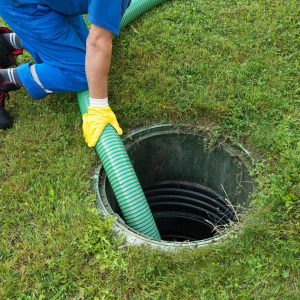
Routine maintenance is essential for system longevity. Septic tank pumping is generally required every three to five years, depending on system size and usage. Regular inspections help identify developing issues before they lead to drain field failure or costly repairs.
Alternative Septic Systems and Regulatory Compliance
When conventional systems are not suitable due to site limitations, alternative septic systems may be permitted. These systems must meet additional design, monitoring, and maintenance standards and often require closer regulatory oversight.
Responding to Septic System Failure
Signs of septic system failure may include sewage backups, slow drainage, foul odors, or standing water near system components. Prompt evaluation and corrective action are critical. Minor issues may be resolved through pumping or targeted repairs, while severe failures may require system replacement.
Septic system regulations and permitting requirements are designed to protect public health, preserve environmental quality, and ensure reliable wastewater treatment. Understanding the permitting process, maintenance obligations, and compliance standards helps property owners make informed decisions and avoid unnecessary system failures.