Ah, festivals—live music, great food, and unforgettable vibes. But here’s the reality no one likes to talk about:
If your restroom setup fails, your entire event can fall apart.
You can book the best band and serve amazing food, but long bathroom lines, bad odors, or poorly maintained facilities will be what people remember.
The good news? With proper planning, portable restrooms can become one of the most seamless parts of your event.
Why Festival Restroom Planning Matters
Restrooms may not be the highlight of your festival, but they play a major role in the overall experience.
When done right:
-
Guests stay longer
-
Lines stay manageable
-
The venue remains clean
-
Attendees leave with positive impressions
When done poorly, they quickly become a source of frustration.
Clean, accessible, and well-maintained restrooms help keep the focus on the event itself.
Step 1: How Many Portable Toilets Do You Need?
One of the most common mistakes is underestimating how many units are required.
General guideline:
-
One toilet per 25 guests for a four-hour event
-
Increase by approximately 20% if alcohol is served
Example:
For 1,000 guests with alcohol:
-
Base: 40 units
-
Plus 20%: 48 units total
It’s always better to have slightly more units than not enough.
Step 2: Choose the Right Types of Restrooms
Different events require different restroom solutions.
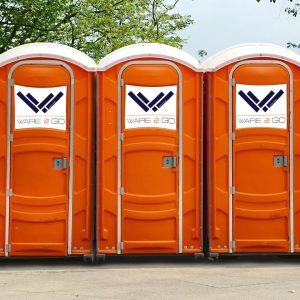
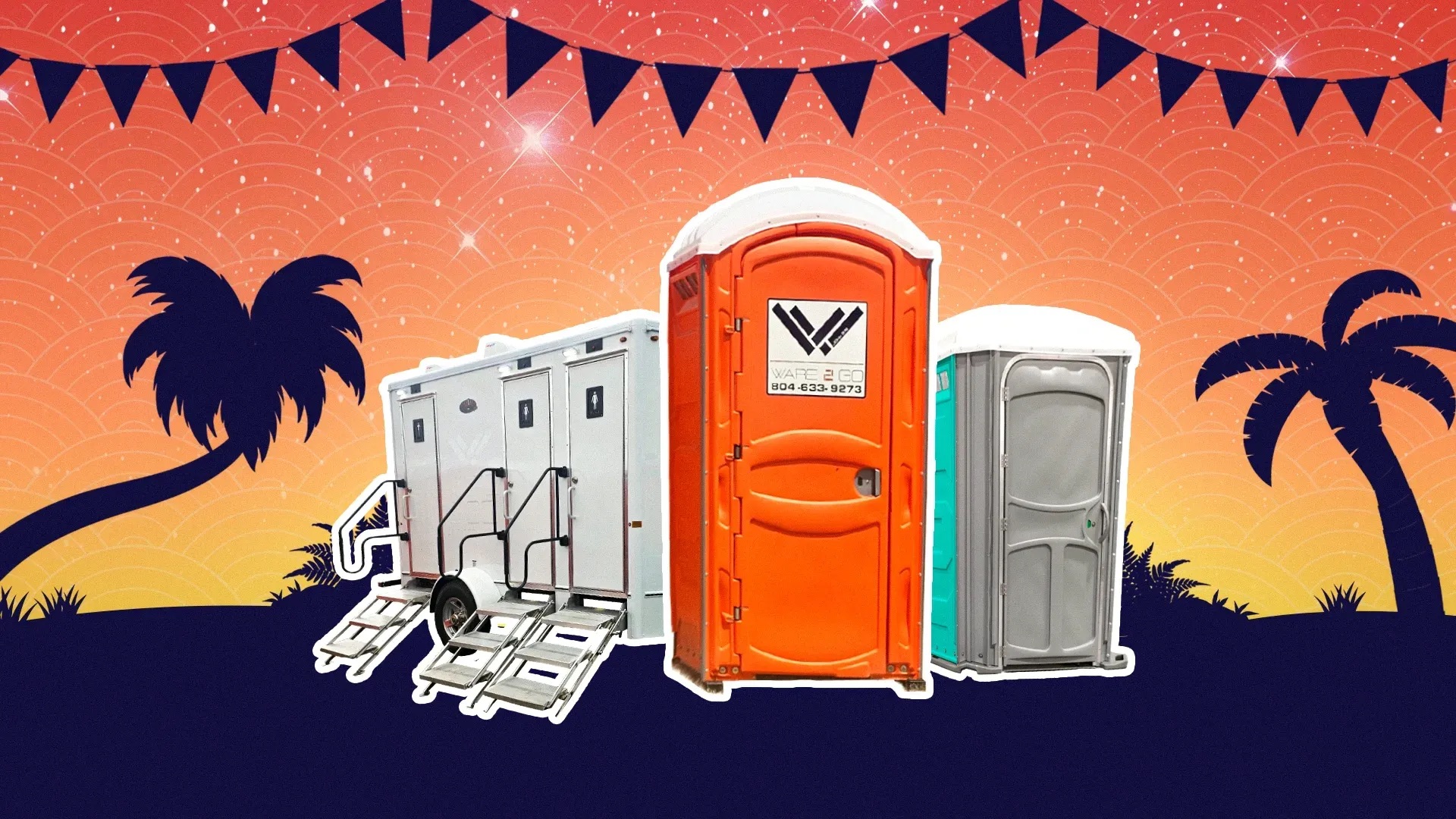
Standard Portable Toilets
-
Ideal for large crowds
-
Cost-effective and durable
-
Suitable for general admission areas
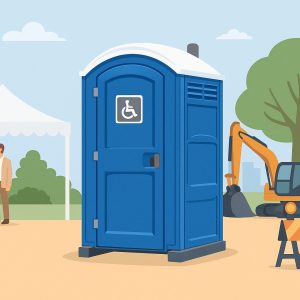
Handicap-Accessible Units
-
Essential for accessibility and compliance
-
Provide additional space and support features
-
Should be included in every event setup
Luxury Restroom Trailers
-
Best for VIP areas or upscale events
-
Include flushing toilets, running water, lighting, and climate control
-
Offer a more refined and comfortable experience
Step 3: Strategic Placement Matters
Even high-quality restrooms can cause issues if they are poorly placed.
Best practices:
-
Distribute units across the venue
-
Place near high-traffic areas such as entrances, stages, and food zones
-
Keep a reasonable distance from dining areas
-
Use clear signage for visibility
For evening events, proper lighting around restroom areas improves safety and usability.
Step 4: Include Handwashing Stations
Hand hygiene is a critical part of any sanitation plan.
Recommended additions:
-
Handwashing stations with soap and water
-
Hand sanitizer stations in high-traffic areas
Place these near restrooms and food areas to encourage use and maintain cleanliness.
Step 5: Maintain Cleanliness Throughout the Event
Cleanliness is not a one-time task—it requires ongoing attention.
Key considerations:
-
Regularly restock supplies such as toilet paper and soap
-
Schedule mid-event cleaning for longer or high-traffic events
-
Assign staff or coordinate service checks
Consistent maintenance prevents small issues from becoming larger problems.
Step 6: Plan for Unexpected Situations
Events rarely go exactly as planned.
Be prepared for:
-
Higher-than-expected attendance
-
Weather changes
-
Increased usage in certain areas
Having extra units available and a flexible plan for adjustments can prevent disruptions.
Final Thoughts
Portable restrooms may not be the most visible part of your event, but they have a significant impact on guest satisfaction.
A well-planned setup ensures:
-
Comfort
-
Cleanliness
-
Smooth event flow
When restrooms are properly managed, they go unnoticed—which is exactly the goal.