Septic Tank Pumping in the Modern Age
Advances in equipment, logistics, and environmental practices have significantly changed how septic tank pumping and emergency septic services are performed. Modern approaches focus on efficiency, cleanliness, and system protection—reducing disruption to properties while improving reliability during both routine maintenance and emergency situations.
This article explains how contemporary septic service practices improve outcomes for homeowners and property managers, particularly when fast response and system safety are critical.
Why Regular Septic Tank Pumping Matters
A properly functioning septic system protects household health, structural integrity, and surrounding soil and groundwater. When septic tank pumping is delayed, solid waste can accumulate beyond safe levels, increasing the risk of backups, drainfield damage, and system failure.
Regular pumping helps to:
-
Prevent sewage backups and odors
-
Extend the lifespan of the drainfield
-
Reduce the likelihood of emergency repairs
-
Support compliance during property inspections
Maintenance intervals vary based on tank size, household usage, and system design, but routine pumping remains one of the most effective preventative measures.
Cleaner Septic Pumping Through Modern Equipment
Advanced Vacuum Technology
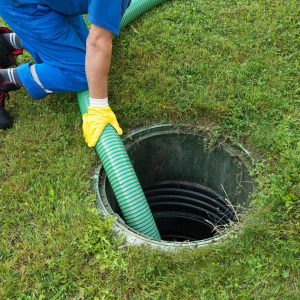
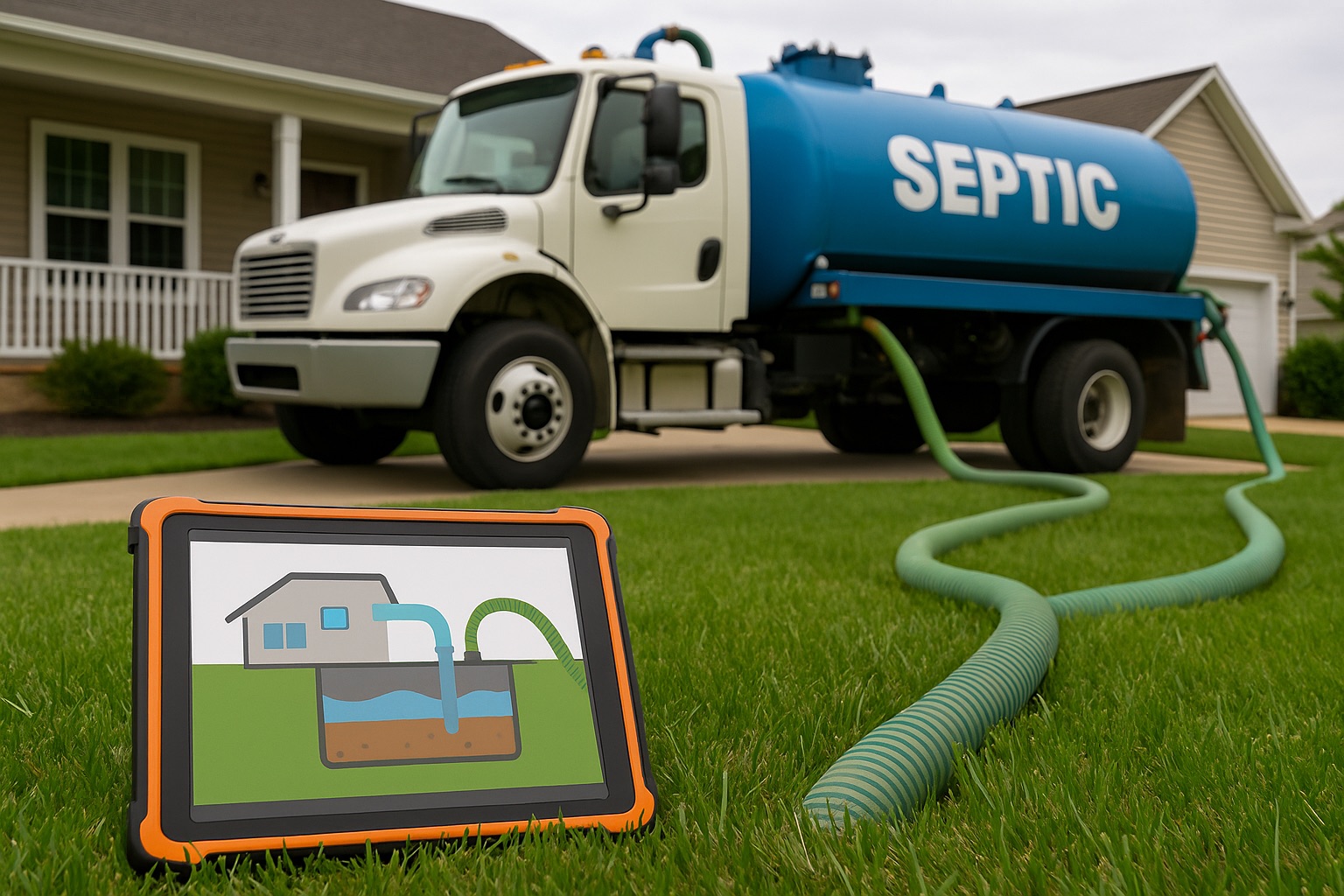
Modern vacuum trucks are designed to remove waste efficiently while minimizing noise and surface disruption. Improved suction systems reduce the need for extended excavation or repeated access, helping preserve landscaping and limit property disturbance.
Environmentally Responsible Waste Handling
Collected waste is transported to approved treatment facilities and managed under established environmental standards. Proper disposal protects groundwater, surface water, and surrounding ecosystems while ensuring regulatory compliance.
Faster Response for Septic Emergencies
Septic system failures often require immediate attention to prevent health risks and property damage. Emergency response capabilities have improved through better dispatching and equipment readiness.
Real-Time Dispatch and Routing
GPS-supported dispatch systems allow service providers to deploy the nearest available crew, reducing response times during septic emergencies. Faster arrival helps limit overflow damage and system stress.
On-Site Diagnostics
Modern service teams often arrive equipped with inspection tools that allow immediate evaluation of system conditions. This enables technicians to identify contributing issues such as blockages, root intrusion, or component failure and determine appropriate corrective action.
Smarter Maintenance Through Digital Records
Service Documentation and History Tracking
Digital recordkeeping allows septic service history to be securely stored and accessed when needed. Accurate records support maintenance planning, property transactions, and long-term system management.
Homeowner Education After Service
Post-service explanations and guidance help property owners understand system condition, maintenance needs, and usage practices that reduce future risk. Informed homeowners are better equipped to maintain system performance over time.
Long-Term Value of Modern Septic Practices
Modern septic tank pumping and emergency service methods emphasize prevention, transparency, and efficiency. These practices benefit homeowners by reducing unexpected failures, lowering long-term costs, and minimizing environmental impact.
Routine maintenance combined with improved response capabilities helps septic systems operate reliably, even under demanding conditions.
Septic tank pumping has evolved into a more precise, efficient, and environmentally responsible process. Advances in equipment, diagnostics, and logistics allow systems to be maintained more effectively and emergencies to be addressed more quickly.
A proactive maintenance approach supported by modern tools remains the most reliable way to protect septic system performance, property value, and environmental health.