Water conservation is a critical part of sustainable living, especially as concerns about water scarcity and environmental preservation continue to grow. One often overlooked solution is the use of portable toilets, which significantly reduce water consumption in areas where traditional plumbing is impractical or unavailable.
Understanding how portable toilets contribute to water conservation highlights their importance in modern environmental practices.
The Environmental Impact of Traditional Toilets
Traditional flush toilets are among the most water-intensive fixtures in homes and businesses.
-
Older models can use up to 7 gallons per flush
-
Mid-range models use around 3.5 gallons per flush
-
Modern low-flow toilets still use about 1.6 gallons per flush
Over time, this adds up. In a typical household, thousands of gallons of water are used annually just for flushing. In public and commercial settings, water usage is even higher.
How Portable Toilets Save Water
Portable toilets offer a more efficient alternative by eliminating or significantly reducing water use.
Key Water-Saving Benefits:
-
Waterless Operation: Portable toilets do not rely on a continuous water supply
-
Efficient Waste Containment: Waste is stored in sealed tanks and treated off-site
-
No Flushing Required: Eliminates the need for repeated water use
In high-traffic environments such as events and construction sites, this can result in substantial water savings.
Supporting Water Conservation Efforts
Reducing water use is a major goal of environmental initiatives. Portable sanitation aligns with these efforts by:
-
Minimizing unnecessary water consumption
-
Reducing strain on local water systems
-
Supporting responsible waste management practices
These benefits make portable toilets a practical solution in water-conscious planning.
Common Applications
Portable toilets contribute to water conservation across a wide range of settings:
-
Construction Sites: Eliminate the need for water-based sanitation systems
-
Outdoor Events: Reduce water demand for large crowds
-
Emergency Situations: Provide sanitation without stressing limited water supplies
These applications demonstrate their versatility and environmental value.
Advancements in Portable Sanitation
Modern portable sanitation solutions continue to improve in efficiency and sustainability.
Notable Innovations:
-
Composting systems that reduce or eliminate water use
-
Container-based waste collection for efficient off-site treatment
-
Eco-friendly additives that minimize environmental impact
These advancements further enhance the role of portable toilets in sustainable practices.
Environmental and Economic Benefits
Using portable toilets provides both environmental and cost advantages:
-
Reduced water consumption
-
Lower demand on wastewater systems
-
Decreased need for plumbing infrastructure
-
Cost savings for events and projects
These benefits make portable sanitation both practical and efficient.
Final Thoughts
Portable toilets play an important role in water conservation by reducing reliance on traditional plumbing systems. Their ability to operate with little or no water makes them an effective solution for events, construction sites, and temporary environments.
Portable Sanitation Options
Common solutions include:
-
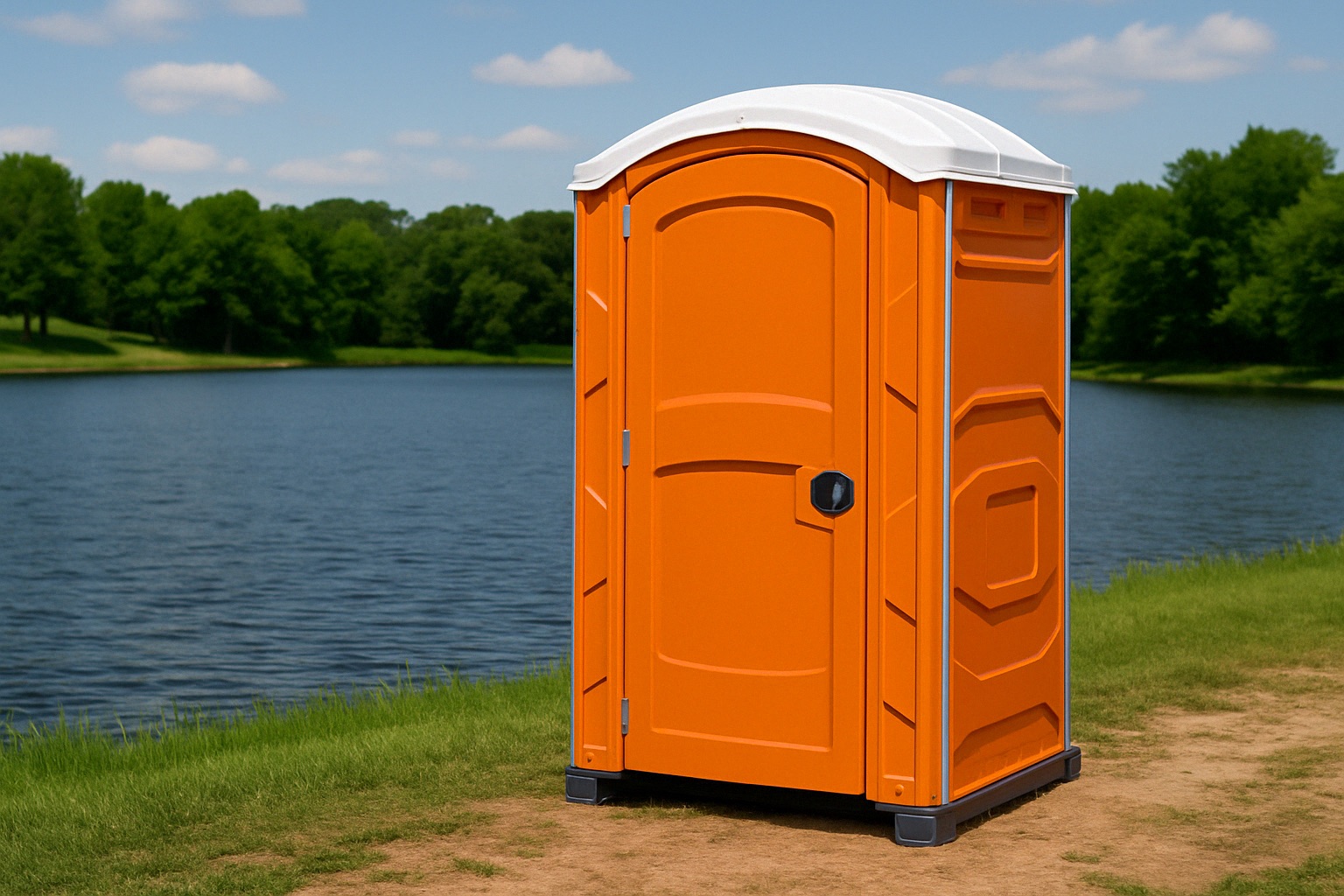
Standard portable toilets
-
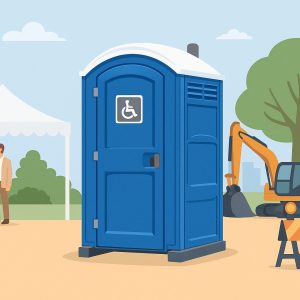
Accessible portable toilets
-
Restroom trailers
-
Handwashing stations
Choosing the right setup helps ensure efficient, clean, and environmentally responsible sanitation for any situation.