A Smarter Future for Septic Systems
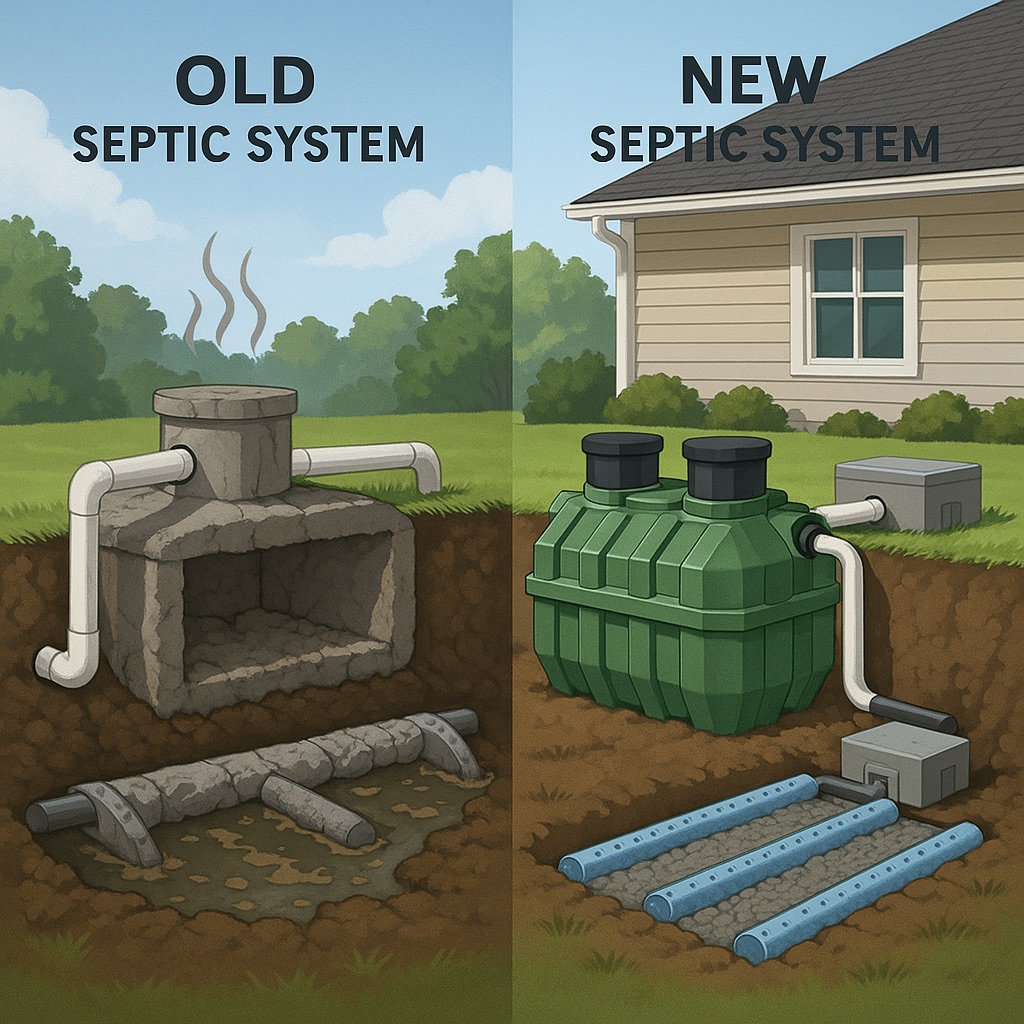
If a septic system is more than two decades old, replacement may be worth considering—not only to avoid costly failures, but also to take advantage of modern septic technologies. Aging systems are more prone to malfunction, may no longer meet current health standards, and can negatively affect property value.
Advancements in septic system design now offer more efficient, environmentally responsible options that improve performance and long-term reliability.
Why Replacing an Aging Septic System Matters
Environmental and Health Considerations
Older or poorly functioning septic systems can allow untreated wastewater to leak into surrounding soil and groundwater. These failures pose risks to water quality, nearby wells, and public health, particularly in areas that rely on onsite wastewater treatment.
Septic System Lifespan and Failure Risk
Traditional septic systems typically last 20 to 30 years. As systems age, common issues include:
-
Drainfield saturation or failure
-
Sludge accumulation and overflow
-
Corrosion or structural degradation of tanks
-
Reduced treatment efficiency
Beyond this lifespan, repairs often become more frequent and less cost-effective than replacement.
Advances in Septic System Technology
Alternative Septic Systems for Challenging Conditions
Modern septic technologies are designed to perform in conditions where older systems struggle, such as areas with poor soil drainage, limited space, or high groundwater.
Common alternatives include:
-
Aerobic treatment units
-
Mound systems
-
Drip distribution systems
-
Sand filter systems
These systems improve wastewater treatment and reduce environmental impact when site conditions are less suitable for conventional designs.
The Septic System Replacement Process
Step 1: Site Evaluation and Septic Inspection
Replacement begins with a comprehensive site evaluation. This includes assessing soil characteristics, water table levels, system usage, and the condition of existing components. The goal is to identify the most appropriate system type for the property.
Step 2: Custom System Design
Based on site conditions, a system is designed to meet current regulatory requirements and long-term performance needs. Proper design reduces the likelihood of future inspections issues, system stress, or premature failure.
Step 3: Installation
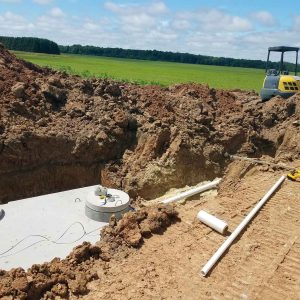
Once approved, the existing system is replaced with the newly designed one. Installation includes excavation, component placement, testing, and site restoration. Modern installation practices aim to minimize disruption while ensuring safety and compliance.
What Homeowners Can Expect
Timeline and Disruption
Most septic system replacements are completed within two to five days, depending on weather, soil conditions, and permitting requirements. Proper planning helps limit disruption to daily routines and surrounding property.
Long-Term Benefits of Upgrading
Increased Property Value
Updated septic systems are often viewed as an asset during property transactions. Buyers are typically more confident when major infrastructure has been modernized and documented.
Improved Reliability and Cost Control
Modern systems offer more consistent performance and are less likely to experience sudden failures. Over time, this can reduce emergency repairs, protect groundwater, and lower overall maintenance costs.
Replacing an aging septic system is a significant decision, but one that can offer lasting benefits. Advances in septic technology provide safer, more efficient, and environmentally responsible solutions than older systems were designed to deliver.
When replacement is planned proactively—rather than in response to failure—it helps protect property value, public health, and the surrounding environment while ensuring reliable wastewater treatment for decades to come.