Common Septic System Myths: Separating Fact From Fiction
Misinformation about septic systems is widespread. Longstanding myths and misleading claims often lead homeowners to make decisions that can damage their systems, increase maintenance costs, or cause environmental harm. Understanding how septic systems actually function is essential for proper care and long-term reliability.
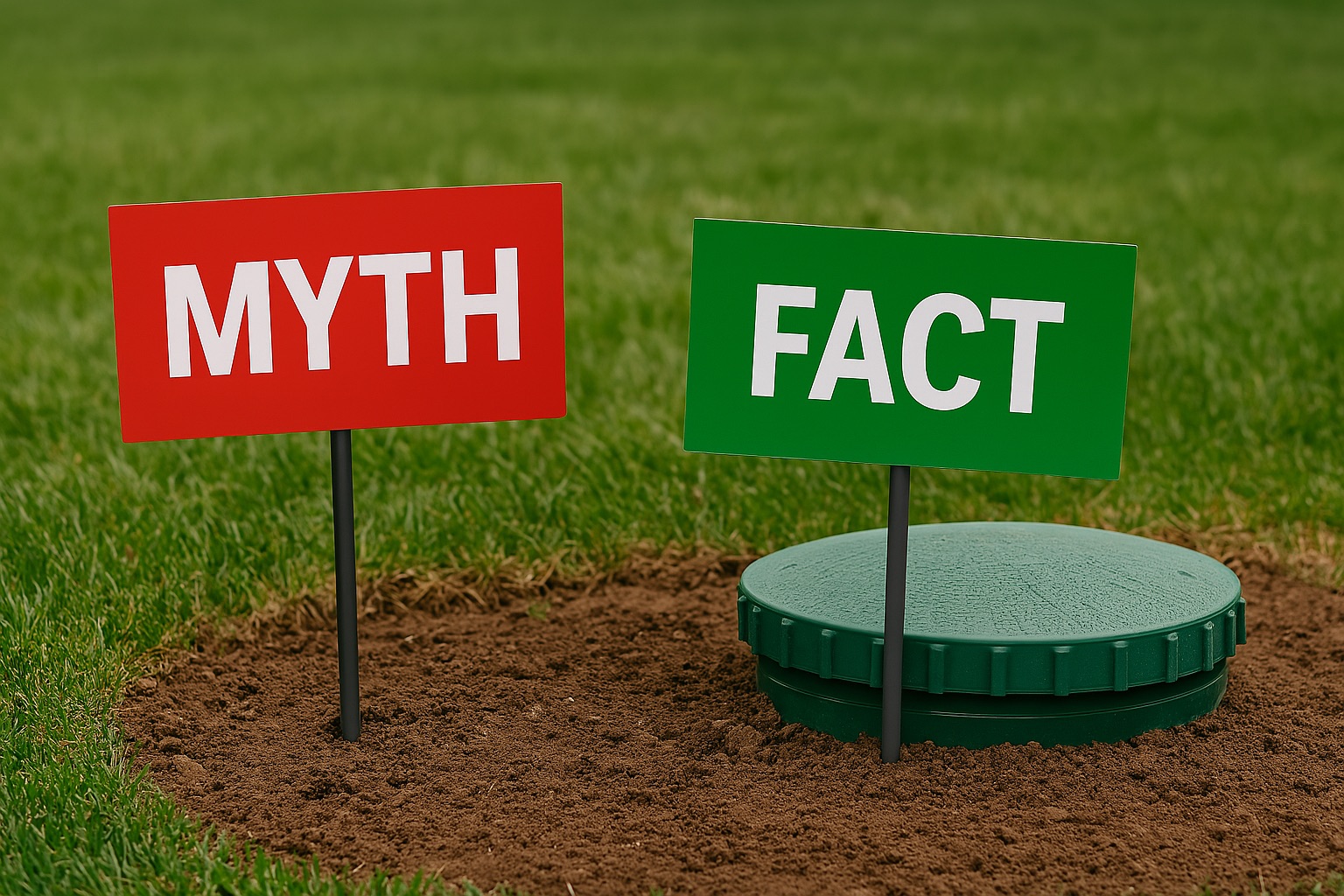
Below are some of the most common septic system myths, along with the facts that clarify how these systems should be maintained.
Myth 1: Septic Tanks Never Need Pumping
A common belief is that bacteria inside the septic tank break down all waste, eliminating the need for pumping.
The Reality:
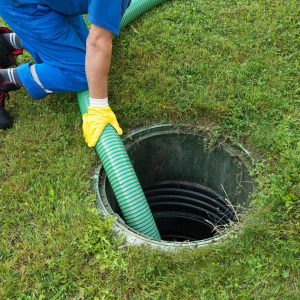
While bacteria help decompose organic material, they cannot break down all solids. Materials such as grease, hair, and inorganic waste accumulate over time. Without routine pumping, typically every three to five years depending on usage, solids can overflow into the drainfield, leading to clogs and system failure. Pumping is a necessary part of septic system maintenance.
Myth 2: Anything Can Be Flushed Down the Drain
Some assume that septic systems can handle any material that fits down a drain or toilet.
The Reality:
Septic systems are designed to process wastewater and toilet paper only. Flushing wipes, paper towels, hygiene products, grease, or food waste can clog pipes, damage components, and cause backups. Non-biodegradable materials should always be disposed of in the trash.
Myth 3: Additives Eliminate the Need for Maintenance
Many septic additives are marketed as products that improve system performance or replace pumping.
The Reality:
Additives do not remove solids from the tank. Even if waste breaks down more quickly, solids still accumulate and must be physically removed. Some additives may also disrupt the natural bacterial balance in the system, potentially creating additional problems. Regular maintenance remains essential.
Myth 4: Septic Systems Last Forever
It is sometimes assumed that septic systems require minimal upkeep and will function indefinitely.
The Reality:
Most septic systems have a lifespan of approximately 20 to 30 years. Soil conditions, water usage, system design, and maintenance practices all influence longevity. Proper care can extend system life, but no septic system is permanent.
Myth 5: Building Over Septic Components Is Acceptable
Because septic tanks and drainfields are underground, some believe they can be safely built over.
The Reality:
Structures placed over septic components can compact soil, restrict airflow, and interfere with wastewater treatment. Heavy loads may also damage pipes or tanks and make maintenance access difficult or impossible. Septic areas should remain unobstructed.
Myth 6: Any Backup Means Full System Replacement
When a septic system backs up or malfunctions, replacement is often assumed to be the only solution.
The Reality:
Many septic issues can be resolved without replacing the entire system. Pumping an overfilled tank, clearing blockages, or repairing drainfield components can often restore function. A professional inspection is needed to determine the appropriate solution.
Myth 7: Professional Maintenance Is Optional
Some homeowners believe septic systems can be managed without professional involvement.
The Reality:
Professional inspections and maintenance are critical for identifying early signs of wear or failure. Trained technicians measure sludge levels, evaluate system components, and recommend maintenance schedules based on system type and usage. Skipping professional care increases the risk of costly repairs.
Myth 8: Septic Systems Are Always More Expensive Than Sewer Connections
Septic systems are sometimes viewed as a less economical option compared to municipal sewer service.
The Reality:
Installation costs vary depending on system type and site conditions, but septic systems can be cost-effective, particularly in areas without existing sewer infrastructure. Ongoing expenses are often limited to periodic pumping and inspections, which may be lower than long-term sewer fees.
Why Accurate Information Matters
Believing septic system myths can result in improper use, neglected maintenance, and premature system failure. Understanding how septic systems truly work allows property owners to make informed decisions that protect their investment, reduce environmental impact, and avoid unnecessary expenses.
Septic systems are reliable and effective when properly maintained, but misinformation can lead to avoidable problems. Routine pumping, responsible waste disposal, professional inspections, and realistic expectations about system lifespan are all essential for long-term performance. Replacing myths with accurate information is one of the most important steps toward effective septic system care.