If you’ve ever searched for septic services, you’ve likely come across two terms—septic tank cleaning and septic tank pumping. Many homeowners and property managers are left wondering: Are these different services? Do I need one or the other? Or both?
While some companies define these services differently, the key difference usually comes down to how thoroughly the septic tank is emptied and cleared of waste.
So, what’s the difference, and why does it matter?
Let’s break it down.
Different Terms, One Deep Service
In the septic industry, “septic tank pumping” and “septic tank cleaning” are sometimes used to describe different levels of service:
-
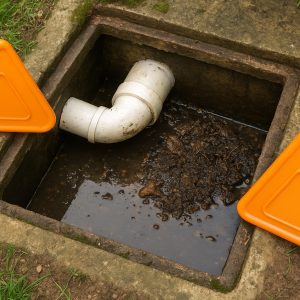
Septic tank pumping typically refers to removing liquid waste and floating solids (also known as scum) from the septic tank.
-
Septic tank cleaning, on the other hand, often describes a more thorough process that includes the removal of sludge, compacted solids, and residue from the bottom of the tank.
The most effective septic service is one that removes all contents of the tank, not just surface-level waste. A properly serviced tank should be fully cleared of buildup, sludge, and debris so it can function correctly and protect the drainfield.
What a Comprehensive Septic Tank Pumping Includes
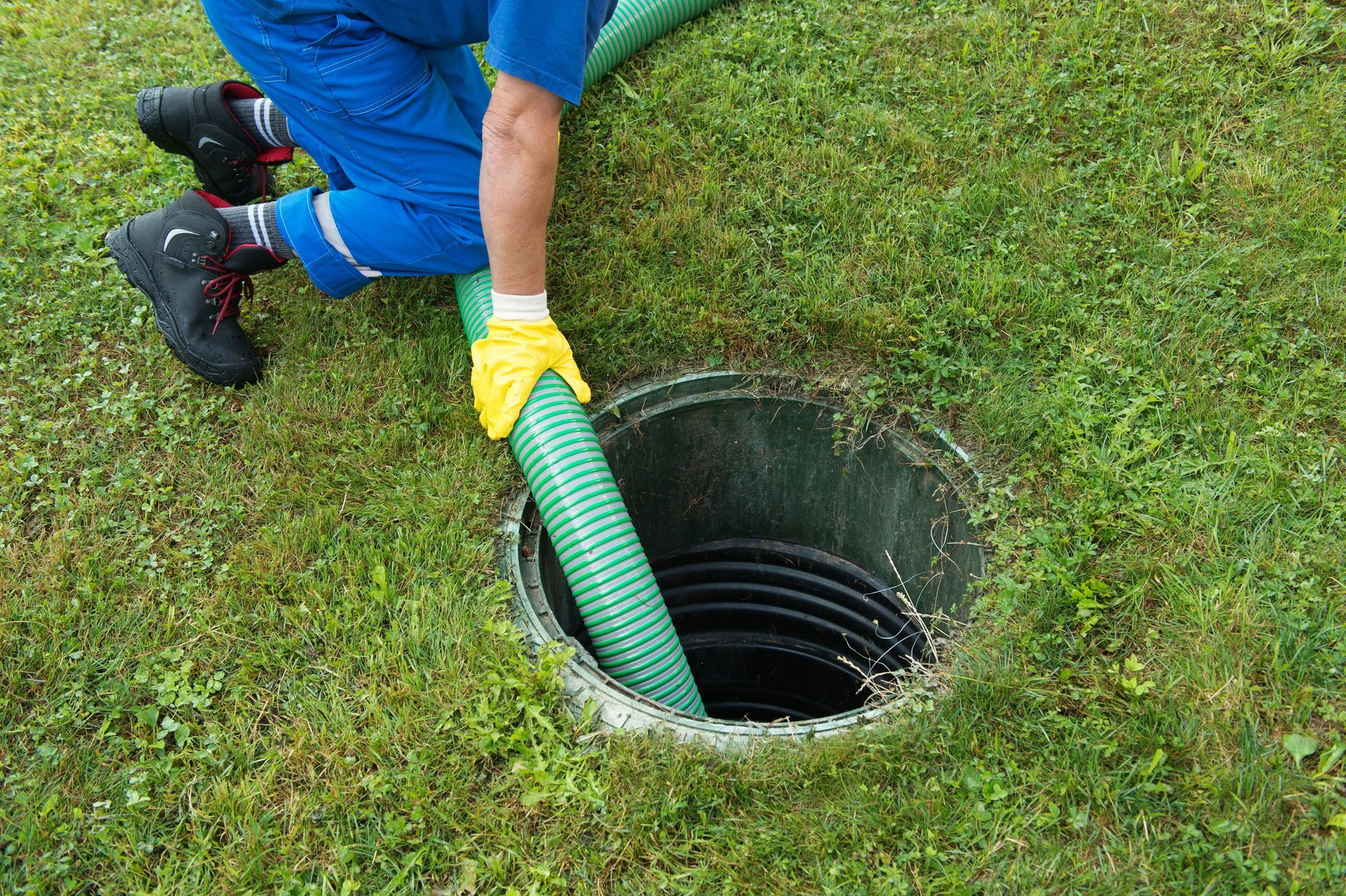
A thorough septic tank pumping service goes beyond a basic pump-out. A complete service generally includes:
-
Full removal of liquids, floating solids, and settled sludge
-
High-powered vacuum extraction to clear compacted waste and debris
-
Access through the septic tank lid or risers
-
A visual inspection for cracks, leaks, or corrosion
-
Recommendations for overall system health and future service intervals
The result is a deep, professional-grade service that eliminates confusion between “pumping” and “cleaning.”
Why Terminology Confusion Matters
When homeowners misunderstand the difference between pumping and cleaning, they may end up with incomplete service—especially if only liquid waste is removed.
If sludge and solids are left behind, they can:
-
Escape the tank and clog the drainfield
-
Trigger septic alarms or warning lights
-
Cause backups and unpleasant odors
-
Lead to expensive emergency repairs
A fully cleared septic tank reduces these risks and supports long-term system performance.
Why Deep Septic Tank Pumping Matters
Local soil conditions, especially areas with dense or slow-draining soil, make thorough septic tank pumping especially important. When solids are not properly removed, drainfields become more vulnerable to saturation and failure.
Complete pumping helps to:
-
Prevent drainfield overload
-
Reduce the risk of system failure
-
Extend the lifespan of the entire septic system
Consistent, deep septic tank pumping is one of the most effective ways to protect your investment.
Commercial Septic Systems Require the Same Thorough Care
Commercial septic systems—such as those serving restaurants, schools, or industrial facilities—require the same level of thorough maintenance, often on a more frequent schedule. Higher waste volume, grease buildup, and mechanical components demand proactive service.
Comprehensive commercial septic care may include:
-
Scheduled pump-outs and full cleanings
-
Routine inspections
-
Repairs when issues are identified
-
Emergency service for urgent situations
Neglecting a commercial system can lead to downtime, regulatory issues, and costly damage.
How Often Should Septic Tank Pumping Be Done?
Most septic systems should be pumped every three to five years, depending on household size, usage, and tank capacity. Systems with heavy use may require more frequent service.
If warning signs appear—such as alarms, slow drains, or odors—service should be performed promptly.
Whether it’s called septic tank cleaning, septic tank pumping, or a pump-out, what truly matters is that the entire tank is cleared of all waste—liquid, solids, and sludge.
A complete service protects the drainfield, prevents system failures, and ensures your septic system operates efficiently for years to come.