7 Warning Signs Your Septic Tank Is Full
A properly functioning septic system is essential for maintaining a clean and healthy home environment. Septic tanks require regular maintenance, including periodic pumping, to operate effectively. When a septic tank becomes full, problems can develop quickly, leading to property damage, health risks, and environmental concerns.
Recognizing the warning signs early can help prevent costly repairs and system failure. Below are seven common indicators that a septic tank may be full.
1. Slow Drains and Toilets
Slow-draining sinks, bathtubs, and toilets are often one of the first signs of a full septic tank. When the tank is near capacity, wastewater cannot flow freely into the drainfield, causing drainage throughout the home to slow down.
2. Gurgling Sounds in Plumbing
Gurgling noises coming from toilets, sinks, or drains may indicate trapped air in the plumbing system. This can occur when wastewater flow is restricted due to a full tank or developing blockage. Persistent gurgling should be evaluated through a septic inspection.
3. Sewage Backups
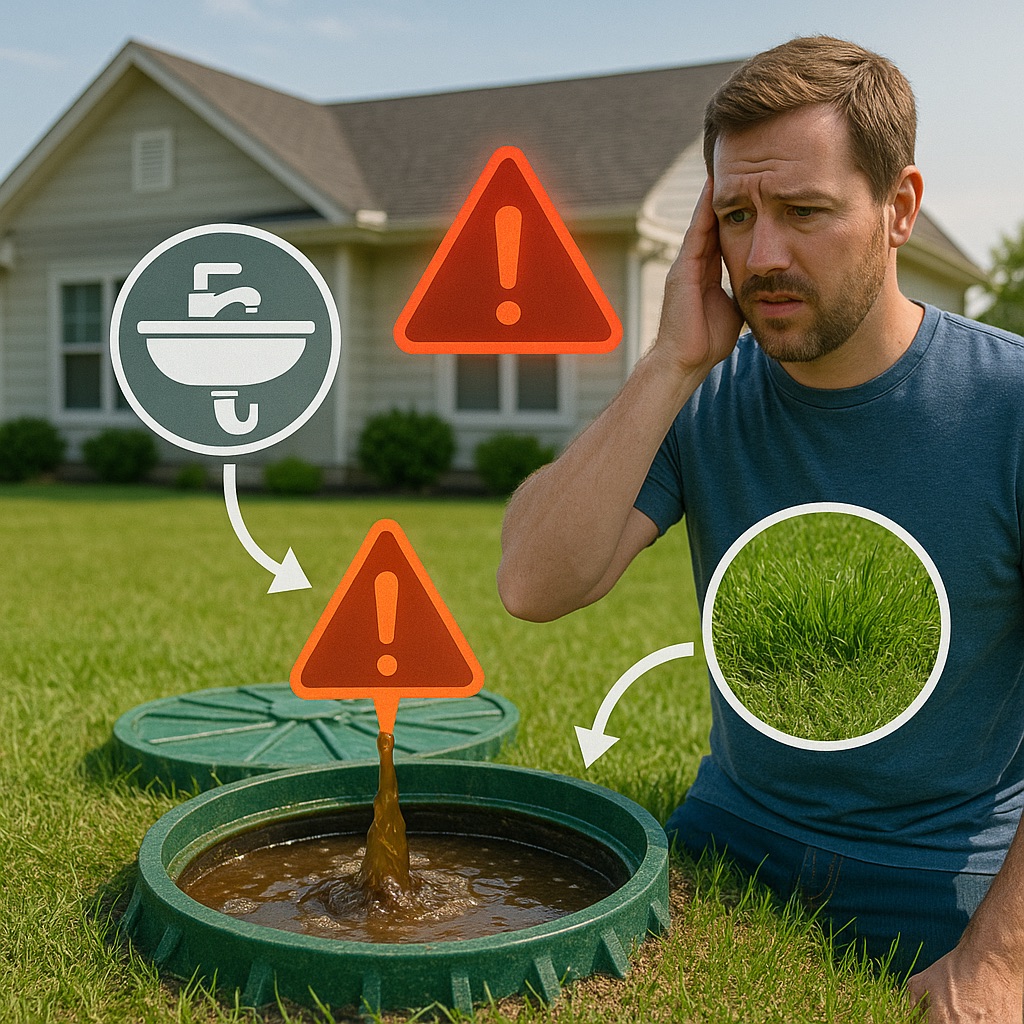
Sewage backing up into fixtures is one of the most serious signs of a full septic tank. When the tank reaches capacity, wastewater may reverse direction and enter sinks, tubs, or toilets. This situation presents significant health risks and requires immediate professional attention.
4. Unpleasant Odors
Strong sewage odors inside the home or near the septic tank area can indicate that waste gases are escaping due to an overfilled system. These odors signal that the septic tank is no longer processing waste effectively.
5. Standing Water or Excessively Lush Grass
Standing water or soggy soil near the drainfield—especially during dry weather—can indicate that wastewater is surfacing instead of being absorbed by the soil. Unusually green or fast-growing grass over the drainfield may also suggest excess nutrients leaking from the system.
6. Elevated Nitrate Levels in Well Water
In homes that rely on well water, a full or failing septic tank can contaminate groundwater. Elevated nitrate levels may indicate that untreated wastewater is entering the water supply and should be addressed promptly.
7. Frequent Need for Septic Tank Pumping
Most septic tanks require pumping every three to five years, depending on household size and water usage. If pumping is needed more frequently, it may indicate excessive water use, an undersized tank, or drainfield problems.
Why a Full Septic Tank Should Not Be Ignored
Failing to address a full septic tank can lead to serious consequences, including:
-
Damage to floors, walls, and furnishings
-
Exposure to harmful bacteria and pathogens
-
Contamination of soil and groundwater
-
Expensive repairs or complete system replacement
Early intervention can help prevent these outcomes.
What to Do If a Septic Tank Is Full
If signs of a full septic tank appear, recommended steps include:
-
Reduce household water use immediately
-
Schedule a septic inspection
-
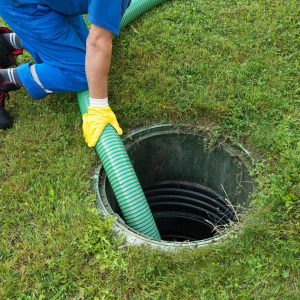
Pump the septic tank if necessary
-
Evaluate the drainfield for saturation or failure
-
Establish a routine maintenance schedule
Preventive Septic Maintenance Tips
To reduce the risk of septic problems:
-
Follow a consistent septic tank pumping schedule
-
Repair plumbing leaks and conserve water
-
Avoid flushing non-biodegradable materials
-
Limit the use of harsh chemicals that disrupt beneficial bacteria
-
Protect the drainfield from vehicles and heavy equipment
A full septic tank rarely resolves on its own and typically worsens over time. Recognizing early warning signs and responding promptly can prevent costly damage, protect household health, and extend the life of the septic system.
Routine inspections, responsible water use, and consistent maintenance remain the most effective ways to ensure reliable septic system performance.