If you’re a homeowner or business owner, managing your septic system is essential for keeping your property safe, clean, and environmentally compliant. However, maintaining a residential septic system is quite different from servicing a commercial septic system.
While both systems share the same core purpose—treating and disposing of wastewater—their size, usage patterns, maintenance requirements, and compliance obligations differ significantly.
This article explains the key differences between residential and commercial septic systems, why tailored maintenance matters, and how property owners can avoid costly septic system problems through proper care.
Understanding Residential vs. Commercial Septic Systems
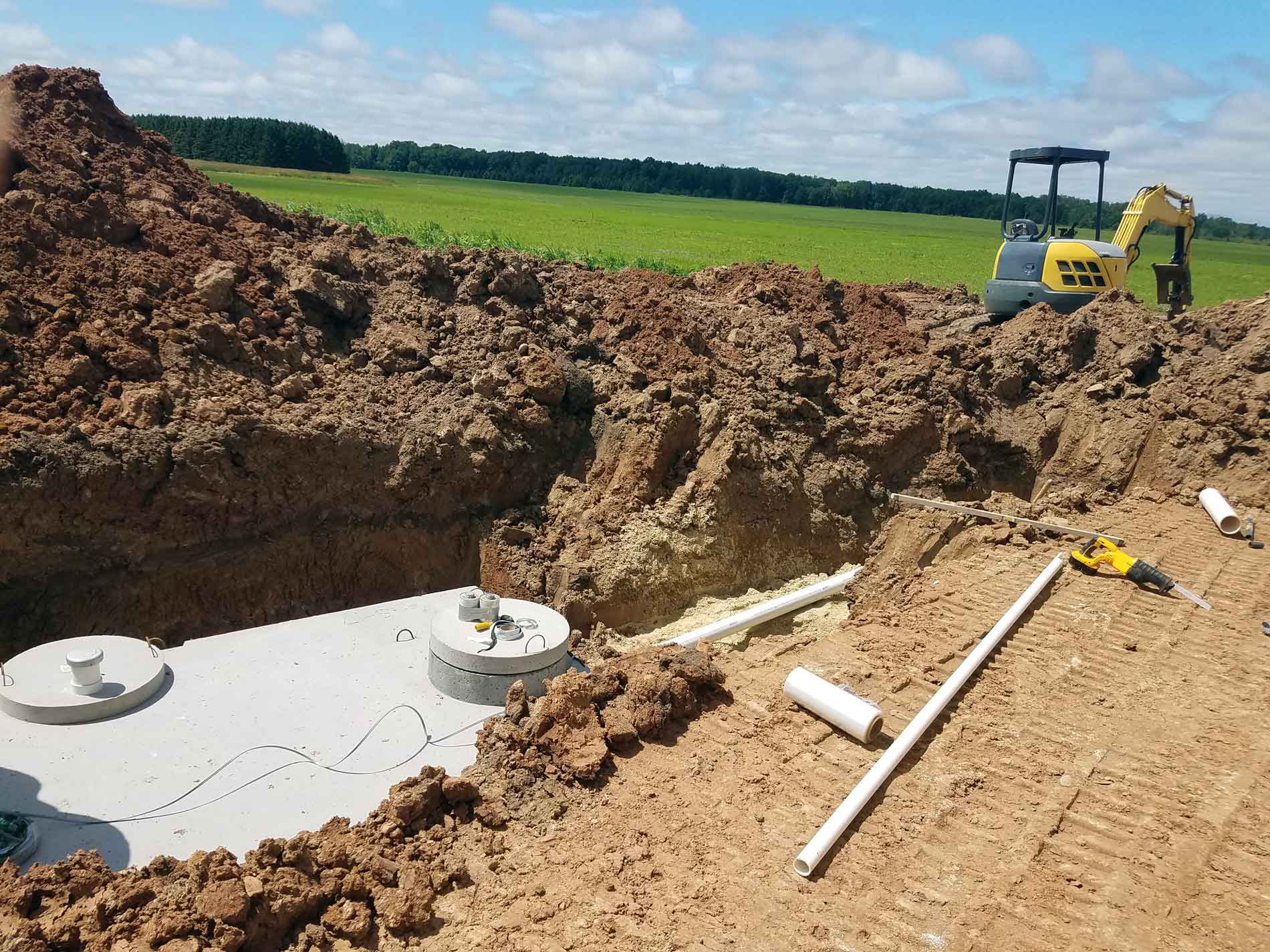
Residential septic systems are designed to manage wastewater from single-family homes or small multi-family dwellings. These systems typically include a septic tank, a distribution box, and a drainfield (also known as a leach field).
Commercial septic systems, by contrast, serve businesses, schools, apartment complexes, restaurants, medical facilities, and other high-use properties. These systems are larger and more complex, often incorporating lift stations, grease traps, multiple tanks, and additional mechanical components to handle increased wastewater volume and varied waste types.
Because commercial systems manage higher flow rates and heavier loads, they require more frequent inspections, pump-outs, and proactive maintenance. Regulatory oversight is also more stringent.
Key Differences in Septic Maintenance Needs
1. Frequency of Septic Tank Pumping
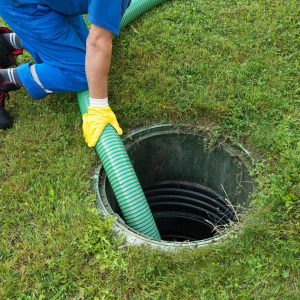
Residential septic tanks generally require pumping every three to five years, depending on household size and water usage.
Commercial septic systems often require pumping much more frequently—sometimes every few months—due to continuous, high-volume usage. Food service establishments, for example, generate wastewater containing fats, oils, and grease, which can rapidly accumulate and impair system performance if not regularly removed.
Consistent pumping schedules are critical for preventing system failure and protecting groundwater quality.
2. Types of Waste and Load Capacity
Residential wastewater typically contains predictable materials such as human waste, soaps, and household byproducts.
Commercial systems must handle a wider and more variable range of waste, including:
-
Fats, oils, and grease from kitchens
-
Medical or sanitary waste from clinics
-
Strong cleaning agents from industrial operations
-
Larger volumes of solid waste
This increased and inconsistent load requires more robust system components and stricter maintenance practices.
3. Monitoring Equipment and Alerts
Commercial septic systems are frequently equipped with alarms or warning indicators that alert operators to rising tank levels, pump malfunctions, or system overloads. These monitoring tools are essential in commercial settings, where a system failure could disrupt operations or pose health risks.
While some modern residential systems also include alarms or risers, monitoring equipment is more commonly installed and relied upon in commercial applications.
4. Inspection and Compliance Requirements
Septic systems are subject to design, operation, and maintenance standards enforced by health and environmental authorities.
For residential systems, inspections are commonly recommended:
-
Every one to three years
-
During property transfers
-
When warning signs of failure appear
Commercial systems typically require more frequent inspections, detailed record-keeping, and documented maintenance activities. In some cases, engineering evaluations or usage reports may also be required. Failure to comply can result in penalties or operational restrictions.
5. Cost of Maintenance and Repairs
Commercial septic system maintenance generally costs more than residential maintenance due to system size, complexity, specialized equipment, and service frequency.
However, postponing service often leads to significantly higher costs, including emergency pump-outs, component replacement, environmental remediation, or operational downtime. Proactive maintenance is usually far more cost-effective than reactive repairs.
6. Durability and Lifespan
A properly maintained residential septic system can last 20 to 40 years, depending on materials, soil conditions, system design, and usage habits.
Commercial systems experience heavier daily workloads and may require component upgrades or drainfield replacement sooner. Longevity depends heavily on regular inspections, prompt repairs, and consistent maintenance schedules.
Warning Signs That a Septic System Needs Attention
Whether residential or commercial, the following symptoms may indicate a developing septic system issue:
-
Gurgling sounds in plumbing fixtures
-
Sewage odors near the tank or drainfield
-
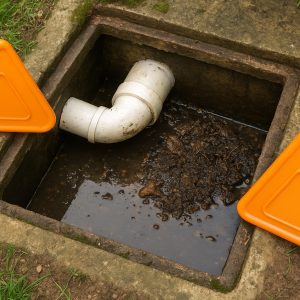
Standing water or soggy soil in the yard
-
Warning lights or alarms activating
-
Slow drainage throughout the property
These signs suggest the system may require pumping, cleaning, inspection, or repair.
Tailored Maintenance Matters
Septic system maintenance is not one-size-fits-all. Residential systems benefit from long-term, preventative care focused on household usage patterns, while commercial systems demand frequent service, strict compliance, and high-capacity infrastructure.
Understanding these differences allows property owners to make informed decisions, reduce risk, and protect both their investment and the surrounding environment.