Standard Porta Potties vs. Handicap-Accessible Units: What’s the Difference?
When planning an outdoor event or managing a construction site, providing adequate restroom facilities is essential. Portable toilets come in different sizes and designs to meet a variety of needs. Two of the most common options are standard portable toilets and handicap-accessible units.
While they may seem similar at first glance, they serve different purposes and offer distinct features. Understanding these differences will help you choose the right solution for your site.
1. Standard Portable Toilets: The Basic Sanitation Solution
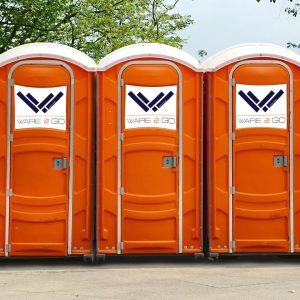
Standard portable toilets are the most commonly used option for temporary sanitation. They are designed for efficiency, convenience, and affordability.
Key Features:
-
Compact design for easy placement in tight spaces
-
Basic amenities including a toilet, urinal, and ventilation
-
Lightweight and easy to transport
-
Cost-effective for large-scale or short-term use
Best Uses:
-
Construction sites
-
Outdoor events and festivals
-
Parks and recreational areas
-
Emergency or temporary situations
Limitations:
-
Limited interior space
-
No built-in accessibility features
-
Not suitable for individuals with mobility challenges
2. Handicap-Accessible Units: Designed for Inclusivity
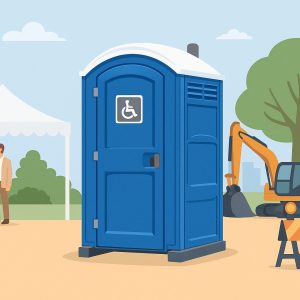
Handicap-accessible portable toilets are built to provide a safer and more comfortable experience for individuals with mobility limitations.
Key Features:
-
Spacious interior for wheelchair access and movement
-
Wide doorways for easy entry and exit
-
Ground-level access with no steps
-
Interior handrails for stability and support
-
Improved comfort and ventilation
Best Uses:
-
Public events and festivals
-
Construction and job sites
-
Weddings and private gatherings
-
Schools and community events
Additional Benefits:
-
Accommodates caregivers or parents assisting children
-
Provides extra space and comfort for all users
3. Choosing the Right Option for Your Needs
Selecting between standard and accessible units depends on several important factors.
What to Consider:
-
User Needs – Include accessible units if individuals with mobility challenges will be present
-
Space Availability – Standard units require less space, while accessible units need more room
-
Regulatory Requirements – Many events and job sites require accessible facilities
-
Comfort and Convenience – Larger units can improve overall user experience
A balanced combination of both options is often the best solution.
4. Creating an Effective Sanitation Plan
A well-planned setup ensures accessibility, efficiency, and comfort for all users.
Planning Tips:
-
Include a mix of standard and accessible units
-
Place units in convenient, easy-to-access locations
-
Ensure clear pathways to accessible restrooms
-
Consider adding handwashing stations for hygiene
Proper planning helps create a clean and organized environment.
Final Thoughts
Standard portable toilets and handicap-accessible units each serve important roles in portable sanitation. While standard units provide a practical solution for general use, accessible units ensure inclusivity and comfort for everyone.
Choosing the right combination helps create a better experience for guests, workers, and event organizers alike.
Portable Sanitation Options
Common solutions include:
-
Standard portable toilets
-
Accessible portable toilets
-
Restroom trailers
-
Handwashing stations
Selecting the right combination ensures a clean, efficient, and inclusive setup.