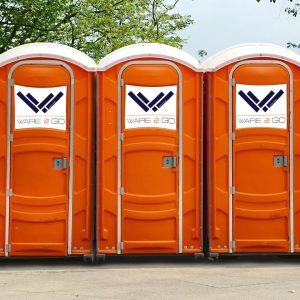
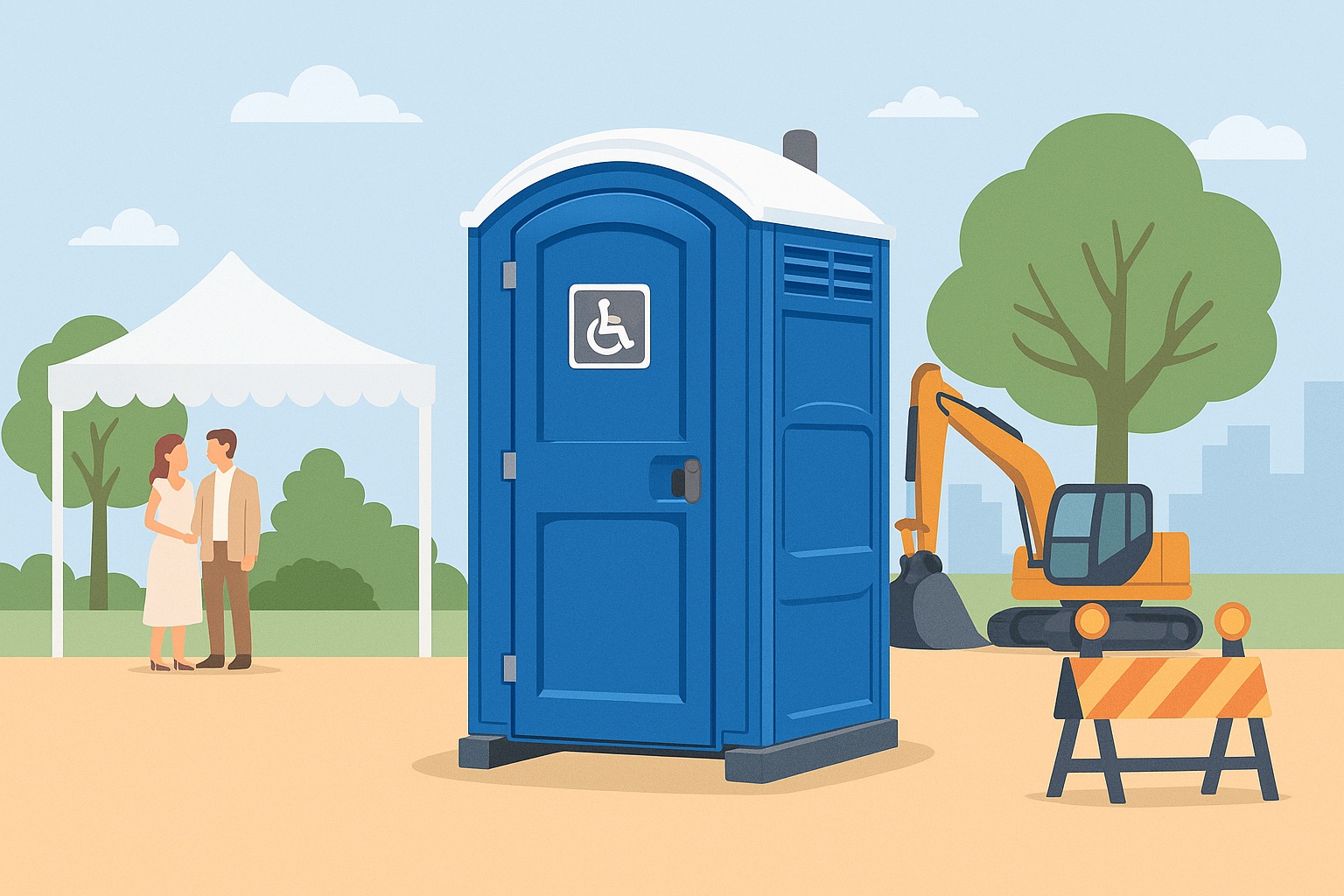
Whether you’re planning a wedding, managing a construction site, or organizing a festival, there’s one question you’re bound to ask: Where can a portable toilet be placed? It’s a simple question, but the answer involves site layout, accessibility, ground conditions, and local regulations.
In this guide, you’ll learn where a portable toilet can be placed so your event, job site, or property remains clean, compliant, and convenient for everyone.
Portable Toilet Placement 101
Understand Local Placement Regulations
Before selecting a location, it’s important to understand applicable rules. Placement requirements can vary depending on local regulations. Common considerations include:
- Setbacks from buildings and property lines
- Distance from water sources or storm drains
- Health department requirements, especially near food service areas
- Accessibility requirements for public gatherings
- Permits for long-term placement or special events
If you are unsure of the requirements, check with local authorities to ensure compliance.
Choose a Flat, Stable Surface
Portable toilets should always be placed on a level, solid surface to prevent tipping and ensure safe use.
Recommended surfaces include:
- Pavement or compacted gravel
- Ground mats or plywood for softer terrain
Avoid placing units on slopes, loose soil, or flood-prone areas, as unstable ground can lead to safety and sanitation issues.
Plan for Accessibility
Accessible units should be included in most public setups. These units require additional space and proper placement.
Best practices include:
- Positioning units near walkways or entrances
- Allowing sufficient clearance in front of the door
- Using firm, stable paths for access
- Providing clear signage
Proper placement ensures all users can access facilities comfortably.
Make It Easy to Find and Use
Placement should consider visibility and user convenience.
Best practices include:
- Placing units within 150 to 200 feet of high-traffic areas
- Locating units near gathering spaces such as seating or break areas
- Avoiding hidden or hard-to-reach locations
- Ensuring pathways are clear and well-lit
Allow for Service Access
Portable toilets require regular servicing, so placement must allow access for service vehicles.
Make sure:
- Units are within 30 to 50 feet of a serviceable path
- There is adequate overhead clearance
- The surrounding area allows for safe and easy maintenance access
Poor access can lead to missed servicing or additional complications.
Prepare for Weather Conditions
Weather conditions can impact placement and usability.
Consider the following:
- Secure units in windy conditions
- Avoid low-lying or flood-prone areas
- Use shaded areas when possible to reduce heat
- Add slip-resistant surfaces in wet or cold conditions
Planning for weather helps maintain safety and usability.
Protect the Environment
When placing portable toilets near sensitive areas, environmental precautions are important.
General recommendations include:
- Keeping units a safe distance from water sources
- Avoiding runoff-prone or saturated ground
- Using appropriate containment and stabilization methods when needed
These practices help prevent contamination and protect surrounding areas.
Conclusion
Placing a portable toilet involves more than choosing an open spot. Proper placement requires attention to safety, accessibility, environmental considerations, and local regulations.
By planning ahead and following best practices, you can ensure a clean, functional, and compliant setup for any event or project.
About Portable Toilet Options
Portable sanitation solutions typically include:
- Standard portable toilets
- Accessible portable toilets
- Luxury restroom trailers
- Handwashing stations
Selecting the right combination depends on your specific needs, site conditions, and expected usage.