Septic system problems rarely develop gradually. A system may appear to function normally until wastewater backs up into the home, foul odors spread across the yard, or soil around the drainfield becomes saturated. These situations are not routine maintenance issues—they are septic emergencies that require immediate attention.
This guide explains what qualifies as a septic emergency, why fast response is essential, and what steps homeowners should take to reduce damage and health risks.
What Is a Septic Emergency?
A septic emergency occurs when a wastewater system can no longer manage normal household use, resulting in backups, surface discharge, or environmental contamination. These events pose safety, health, and property risks and should be addressed without delay.
Septic system failures can contaminate groundwater, damage property, and create exposure to untreated sewage.
Common Signs of a Septic Emergency
1. Sewage Backups into Plumbing Fixtures
Raw sewage backing up into toilets, sinks, tubs, or floor drains indicates a system failure that requires immediate professional attention.
2. Persistent Sewage Odors
Strong, ongoing sewage smells indoors or near the drainfield often signal tank overflow or drainfield saturation.
3. Gurgling Sounds from Drains
Unusual noises from plumbing fixtures may indicate a full septic tank or restricted wastewater flow.
4. Multiple Fixtures Draining Slowly
When several drains slow at the same time, the issue is likely systemic rather than localized.
5. Standing Water or Soggy Soil
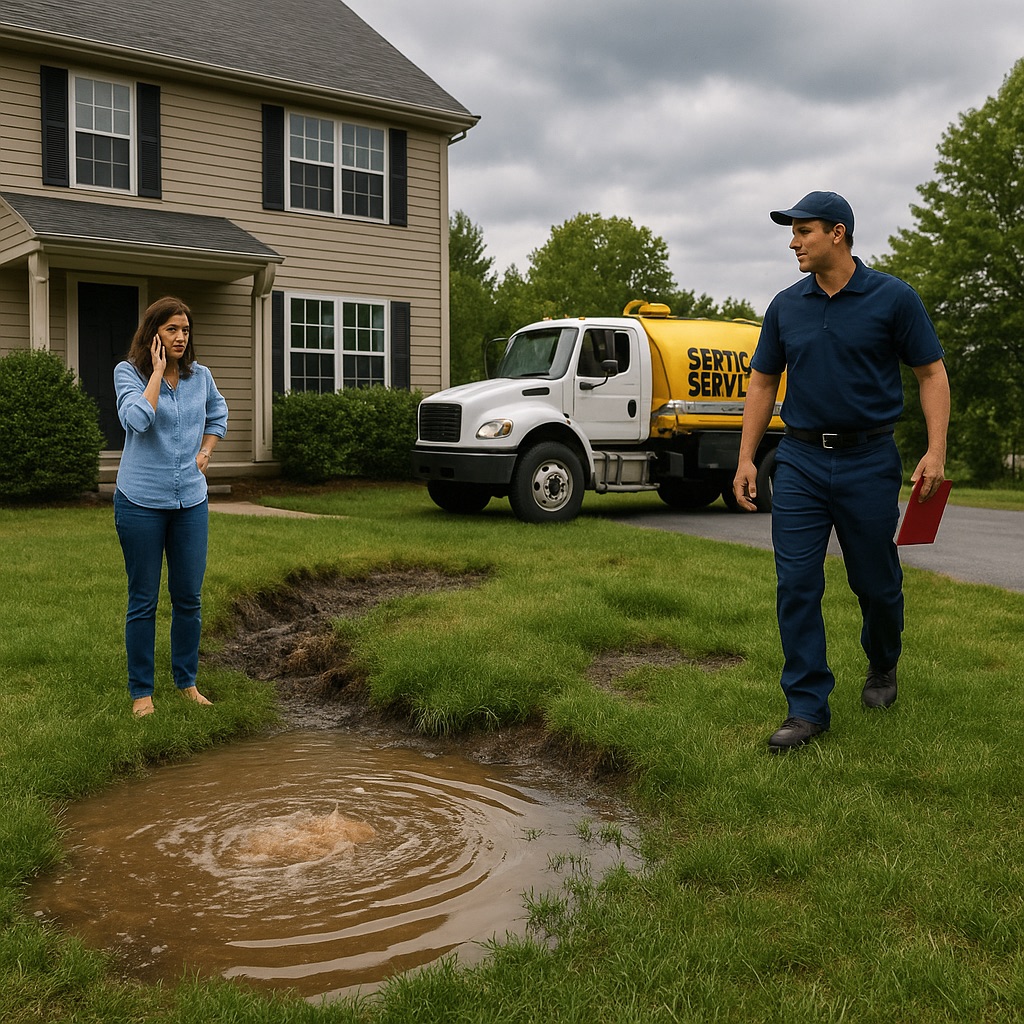
Pooling water or consistently wet soil above the drainfield suggests that wastewater is no longer being absorbed properly.
6. Unusually Lush Grass over the Drainfield
Excessively green or fast-growing vegetation may indicate leaking effluent beneath the surface.
Why Immediate Action Matters
Delaying response during a septic emergency can lead to:
-
Exposure to harmful bacteria and pathogens
-
Damage to flooring, walls, and landscaping
-
Groundwater and soil contamination
-
Extensive drainfield damage or full system replacement
Prompt intervention can significantly reduce repair costs and long-term damage.
What to Do During a Septic Emergency
Step 1: Stop Water Use
Discontinue all water use immediately to reduce pressure on the system.
Step 2: Avoid the Affected Area
Keep people and pets away from contaminated areas to prevent exposure.
Step 3: Document Visible Damage
Photograph affected areas and record observations to support professional assessment or insurance documentation.
Step 4: Arrange Professional Evaluation
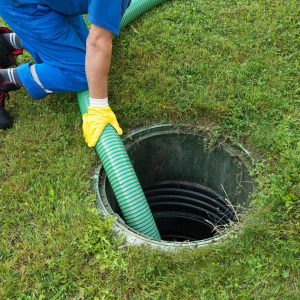
A licensed septic professional should inspect the system to determine whether pumping, repairs, or drainfield intervention is required.
Issues That Are Usually Not Emergencies
Some septic concerns can be addressed through routine service rather than emergency response, including:
-
A single slow-draining fixture
-
Occasional mild odors
-
Minor or seasonal lawn changes
However, widespread drainage issues, sewage backups, or standing water require immediate attention.
Preventing Septic Emergencies
Most septic emergencies can be avoided through proactive maintenance and responsible system use:
-
Pump the septic tank at recommended intervals
-
Schedule routine septic inspections
-
Conserve water and avoid system overload
-
Redirect surface water away from the drainfield
-
Avoid flushing non-biodegradable or harmful materials
-
Keep heavy equipment and deep-rooted plants away from septic areas
Final Takeaway
Septic emergencies pose serious health, safety, and environmental risks. Recognizing warning signs early and responding promptly can prevent extensive damage and costly repairs.
A well-maintained septic system, combined with timely professional intervention when problems arise, is the most effective way to protect property, health, and the surrounding environment.