
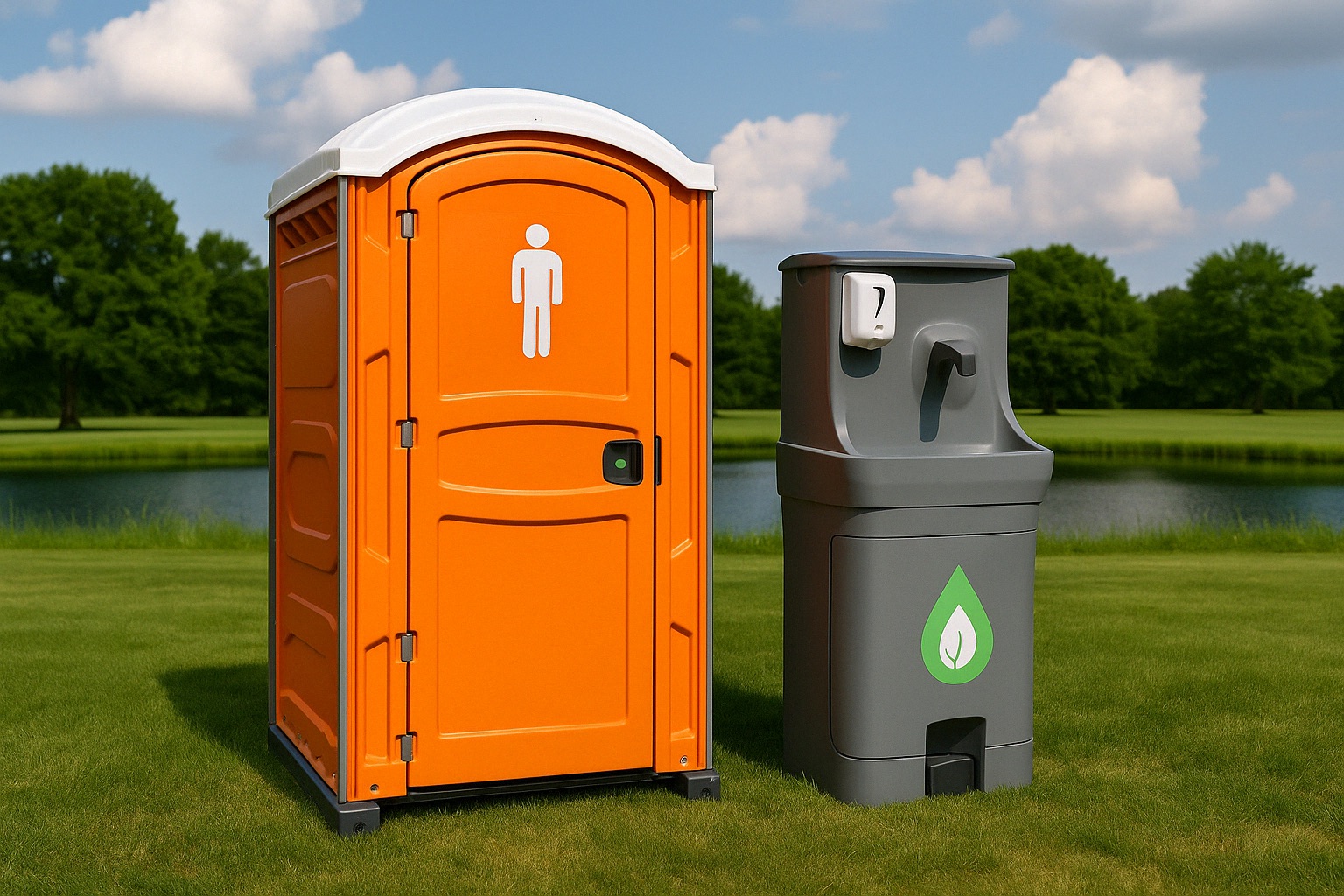
The Future of Portable Sanitation: Sustainability and Innovation
Portable sanitation has long been essential for outdoor events, construction sites, and emergency situations. As environmental awareness continues to grow, the industry is evolving toward more sustainable and innovative solutions. Advancements in eco-friendly materials, waste management, and water conservation are shaping the future of portable restrooms.
This shift is driven by environmental standards, demand for greener options, and new technologies that are transforming how portable sanitation is designed and maintained.
The Push for Sustainable Portable Sanitation
The need for sustainable sanitation solutions is increasing. Traditional portable toilets, while effective, often rely on chemical treatments and non-biodegradable materials. New approaches focus on reducing environmental impact through:
-
Biodegradable materials
-
Renewable energy sources
-
Waterless waste processing
Water conservation is a major part of this shift. Reducing water usage in portable restrooms helps support broader sustainability efforts and minimizes environmental strain.
Innovations in Eco-Friendly Portable Toilets
Advancements in technology are making portable restrooms more efficient and environmentally responsible. Key innovations include:
1. Waterless and Composting Toilets
Composting toilets use natural processes to break down waste, reducing the need for chemicals and water. These systems convert waste into compost-like material, making them ideal for eco-conscious applications.
2. Solar-Powered Portable Restrooms
Solar-powered units provide lighting and ventilation without relying on traditional power sources. These features are especially useful in remote locations and help reduce overall energy consumption.
3. Sustainable Materials
Modern portable toilets are increasingly made from recycled and recyclable materials. This reduces waste during production and supports a more sustainable lifecycle.
4. Smart Sanitation Technology
Technology is playing a growing role in sanitation management. Smart systems can monitor:
-
Usage levels
-
Waste capacity
-
Supply levels
This allows for more efficient servicing, reducing unnecessary trips and lowering fuel consumption.
The Role of Regulations and Standards
Environmental guidelines and regulations are helping drive innovation in portable sanitation. Proper waste handling and responsible disposal practices are essential to protecting natural resources and maintaining public health.
Compliance with these standards encourages the adoption of cleaner, more efficient sanitation solutions.
Applications of Sustainable Portable Toilets
Eco-friendly portable sanitation solutions are being adopted across a wide range of settings:
-
Large events and festivals
-
Construction sites
-
Emergency and disaster response efforts
These applications benefit from reduced environmental impact and improved efficiency.
Environmental and Economic Benefits
Sustainable portable toilets offer both environmental and operational advantages:
-
Reduced water usage
-
Lower maintenance and servicing costs
-
Decreased environmental impact
-
Improved efficiency through smarter servicing
These benefits make eco-friendly solutions a practical choice for both short-term and long-term use.
Final Thoughts
The future of portable sanitation is centered on sustainability, efficiency, and innovation. As technology continues to evolve, portable restrooms will play an even greater role in supporting clean, safe, and environmentally responsible practices.
Portable Sanitation Options
Common solutions include:
-
Standard portable toilets
-
Accessible portable toilets
-
Restroom trailers
-
Handwashing stations
Choosing modern, efficient options helps create a cleaner and more sustainable experience across events, job sites, and temporary environments.